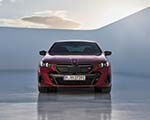
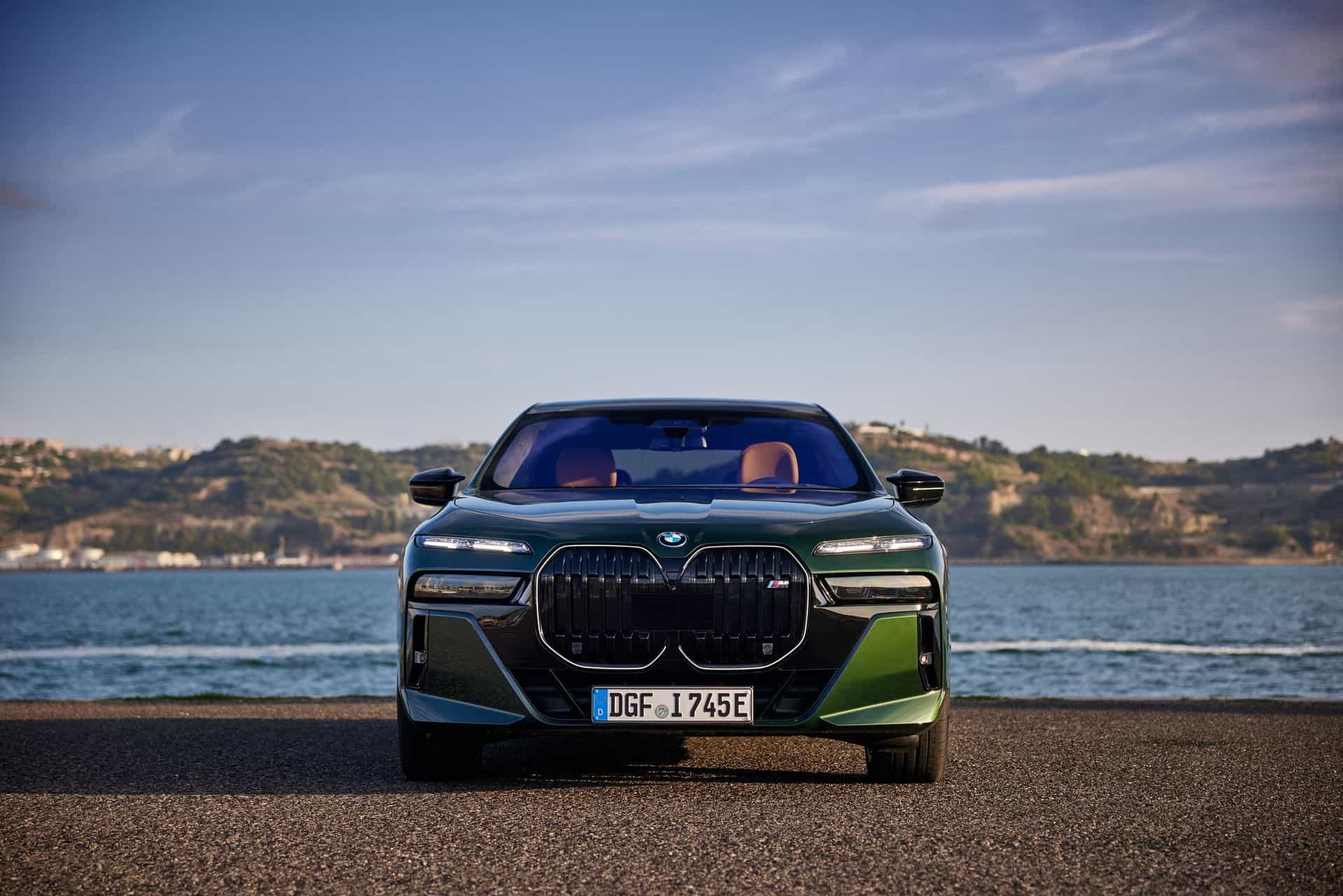
BMW has confirmed that its upcoming 2027 M3 electric will feature simulated gear changes, joining a trend that began with the Hyundai Ioniq 5 N and which Porsche will likely follow with its electric Cayenne. During a technical workshop, BMW M engineers revealed that the electric M will offer “emulated gear shifting in certain modes” coordinated with M-specific sounds.
Patented Technology, Mode-Specific Implementation
According to the workshop presentation, BMW M will implement “performance specific driving modes, emulated gear shifting in certain modes, and also M specific sounds for enhanced driving experience that also relates to the gear shifting emulation.”
Critically, BMW stated that “most of the features have been patented and will be exclusive to M models,” suggesting this isn’t borrowed technology but a proprietary system developed specifically for M performance applications. The phrase “in certain modes” indicates the feature won’t be active in all driving situations—drivers can choose seamless EV power delivery or engage simulated shifting when desired.
Following Hyundai’s Ioniq 5 N

BMW isn’t pioneering here—Hyundai launched the Ioniq 5 N in 2023 with its N e-shift system, which simulates eight-speed dual-clutch transmission shifts complete with torque interruptions and sound synthesis. Initial skepticism gave way to positive reviews, with drivers noting that simulated shifts provide reference points during aggressive driving, making it easier to modulate power precisely on track.
Hyundai’s system doesn’t just add sound—it actually modulates power delivery to simulate shift points, momentarily reducing torque during “shifts” to replicate the feel of a real gearbox.
Porsche Expected to Follow
Porsche is widely expected to implement similar technology in its upcoming electric Cayenne. While unconfirmed, the company’s emphasis on driving engagement in EVs—evidenced by the Taycan’s real two-speed transmission—suggests simulated shifts are likely for the performance-oriented electric Cayenne. With both BMW M and potentially Porsche adopting the technology, simulated gear shifts are moving from novelty to expected feature in high-performance EVs.
Why Add Gear Changes Electric Motors Don’t Need?

Electric motors deliver peak torque instantly and don’t require gears. So why simulate them? Performance brands cite several reasons:
Gear shifts provide audio and tactile reference points that help drivers gauge speed and acceleration, particularly useful on track where precision matters. The torque interruptions during simulated shifts can make cars easier to control at the limit compared to continuous, overwhelming power. And emotionally, many enthusiasts find seamless EV acceleration flat—the drama of gear changes adds engagement even if artificial.

Critics counter that this artificially handicaps the powertrain, adding back limitations that electric motors have surpassed. But if the systems are optional and well-executed, the philosophical debate matters less than whether they improve the actual driving experience.
BMW’s Four-Motor Advantage

BMW’s four-motor architecture—one motor per wheel—provides more control flexibility than the Ioniq 5 N’s simpler setup. Instead of just reducing overall system power during “shifts,” BMW could potentially modulate power at each wheel independently, creating more sophisticated simulations of weight transfer and traction changes. Combined with M Dynamic Performance Control and three years to refine the technology before launch, BMW has the opportunity to improve on Hyundai’s pioneering implementation.
We’ll have a chance to sample this later this year before the car hits the market in 2027.