When BMW announced a long-term battery partnership with Rimac Technology in 2024, the immediate assumption was that the collaboration would feed directly into the Neue Klasse program. It seemed like the logical pairing: a clean-sheet EV platform meeting one of the industry’s most advanced battery specialists. But shortly after the deal was revealed, German media reported a clarification from BMW that reset those expectations. Speaking to Golem.de at the time, a BMW spokesperson stated that the cooperation “is not related to the New Class planned for 2025” and instead supports BMW’s effort “to offer fully electric solutions on other platforms.”
Neue Klasse Models to Use Gen6 Technology

That detail significantly changes the context of the partnership. BMW has already committed the first wave of Neue Klasse models—beginning with the next-generation iX3 and electric 3 Series—to its in-house Gen6 cylindrical-cell technology. Those batteries are far along in industrialization, with multiple global plants under construction and vehicles already testing full packs. Nothing Rimac contributes at this stage can alter or replace that trajectory.
Where Could Rimac Fit In?

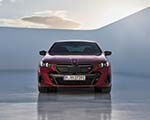
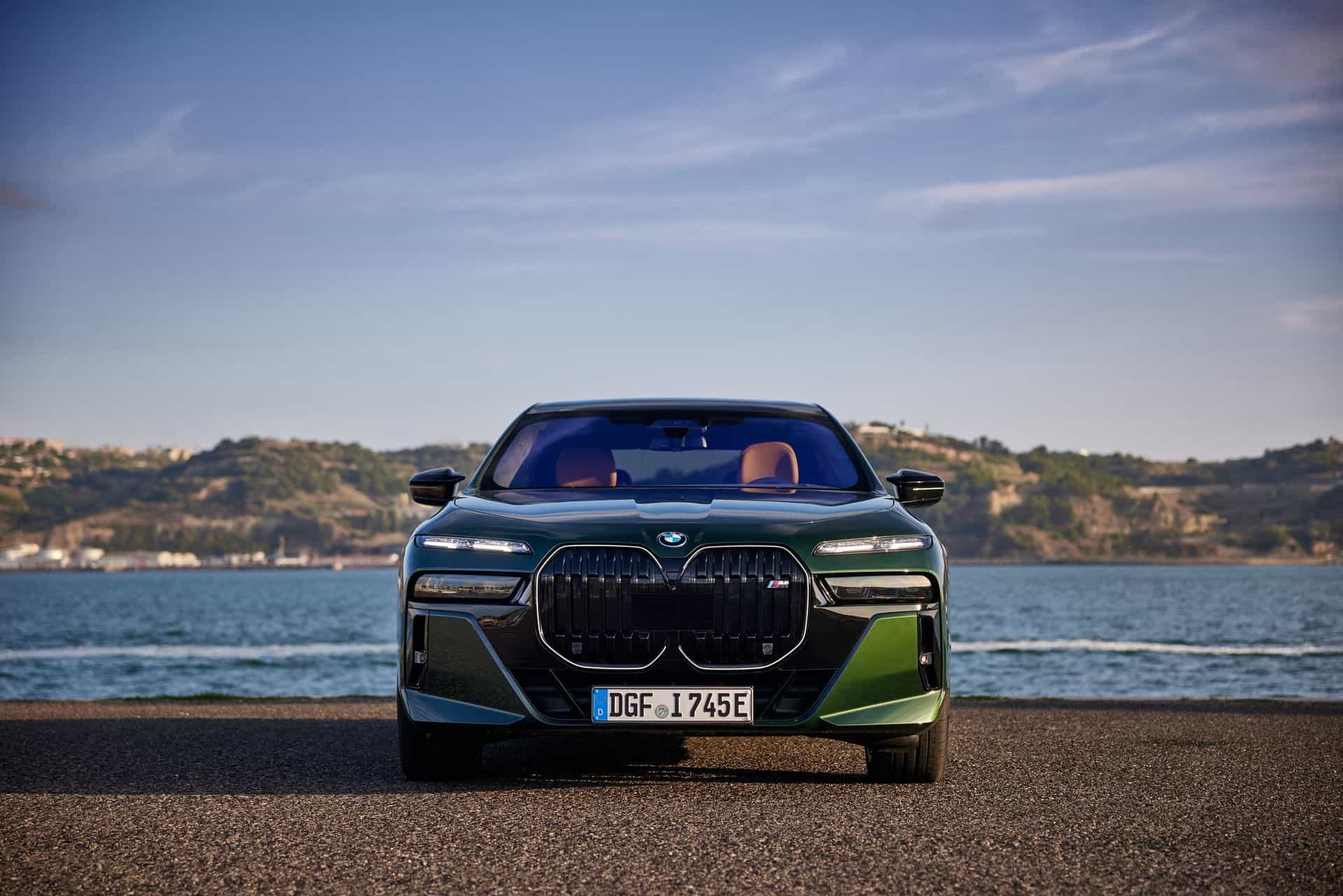
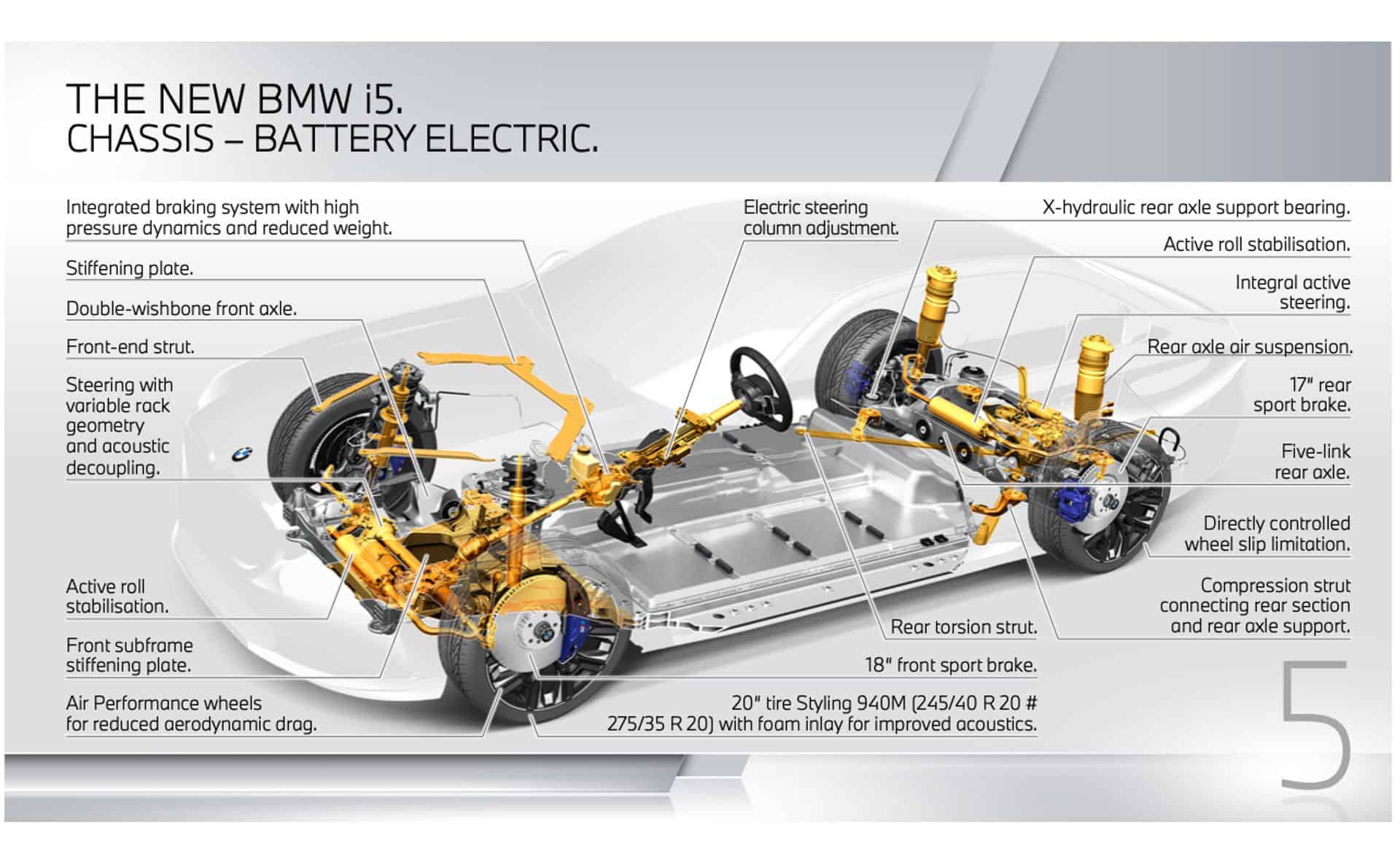
Yet BMW’s clarification also opens an equally important question: if Rimac’s batteries are not intended for Neue Klasse, where will the company apply them? The answer may lie in BMW’s existing electric lineup, especially the models built on the CLAR architecture such as the i5 and i7. These vehicles will continue well past the middle of the decade, and while they will receive facelifts, BMW has already hinted that those updates will not include a switch to Gen6 cylindrical cells. The two platforms are fundamentally different, and a mid-cycle conversion is both technically challenging and expensive.
That creates a potential gap between BMW’s rapidly advancing battery technology and the remainder of its electric portfolio. As Neue Klasse ushers in major gains in efficiency, charging performance and energy density, the current i5, i7 and iX are still using Gen5 prismatic cells originally developed several years ago.
Rimac’s involvement arrives at a moment when such upgrades would be strategically useful. The Croatian company has spent the last decade developing a wide range of high-voltage battery formats, from structural H- and T-shaped packs to advanced cooling strategies designed for sustained high loads. At the 2025 IAA, Rimac Technology also unveiled its next-generation solid state solutions and evolution of the current batteries and e-Axles.
While Rimac is best known for its hypercar applications, its new agreement with BMW was not framed as a niche, low-volume supply deal. Rimac itself described the program as the “largest and most ambitious project” in its history and confirmed that “a significant portion” of its Zagreb campus will be dedicated to building the required automated production lines.
That scale suggests an application broader than halo models or limited-run performance cars. It aligns more closely with BMW’s need to keep its current electric lineup competitive alongside the more advanced Neue Klasse vehicles arriving from 2025 onward. If BMW intends to offer higher-density or more efficient battery systems for CLAR-based EVs during their lifecycle—without adopting Gen6 cylindrical cells—Rimac represents one of the few partners capable of delivering an alternative solution that fits within the constraints of the existing platforms.
No Confirmation Yet From Either Company
Whether such a plan is underway remains unconfirmed and it’s pure speculation at the moment. Both companies have said additional details about the collaboration will be shared at a later stage, and neither has commented on how the Rimac-built systems will be positioned within BMW’s broader battery strategy.
What is clear is that BMW intends to run multiple electric platforms in parallel for the remainder of the decade. The company will still sell the i5 and i7 until at least 2029 on the current CLAR architecture. Then new products like the iX5, iX6 and iX7 will still run on CLAR but these will carry Gen6 technology. So the partnership with Rimac has to fit somewhere and could arrive at a moment when BMW’s pre-Neue Klasse EVs would benefit from a meaningful technological step forward. It’s also possible that Rimac Technology is working on other battery solutions as well that could make their way into other future BMW products as well.
Until BMW outlines the exact deployment, the scope of the collaboration remains one of the more intriguing unknowns in the brand’s electrification roadmap. Yet, the question is not whether Rimac batteries will appear in future BMWs, but rather which ones—and when BMW plans to reveal them.
[Images by Rimac Newsroom]