Article Summary
- The M88 used Kugelfischer mechanical injection from the start — it was never a carburetor engine, and that system requires a specialist to service correctly.
- The cooling system is the single biggest reliability risk; a full coolant overhaul is the first job on any unrefreshed example.
- Forced induction builds have exceeded 500 hp on the road, backed by an M88/2 race lineage that pushed 900 hp in Group 5 trim.
There’s a particular kind of reverence reserved for engines that arrive at exactly the right moment, do exactly what they promised, and don’t apologize for any of it. The BMW M88 is one of those engines. It powered the M1 supercar, the first M5, and a handful of variants that now trade for staggering money at auction — and the reason isn’t just nostalgia. The M88 is genuinely one of the best inline-six engines BMW ever built.
The S54 is excellent. The S65 is a screamer. The S58 makes absurd power. The M88 still belongs in that conversation, and not just because it came first.
What the M88 Actually Is
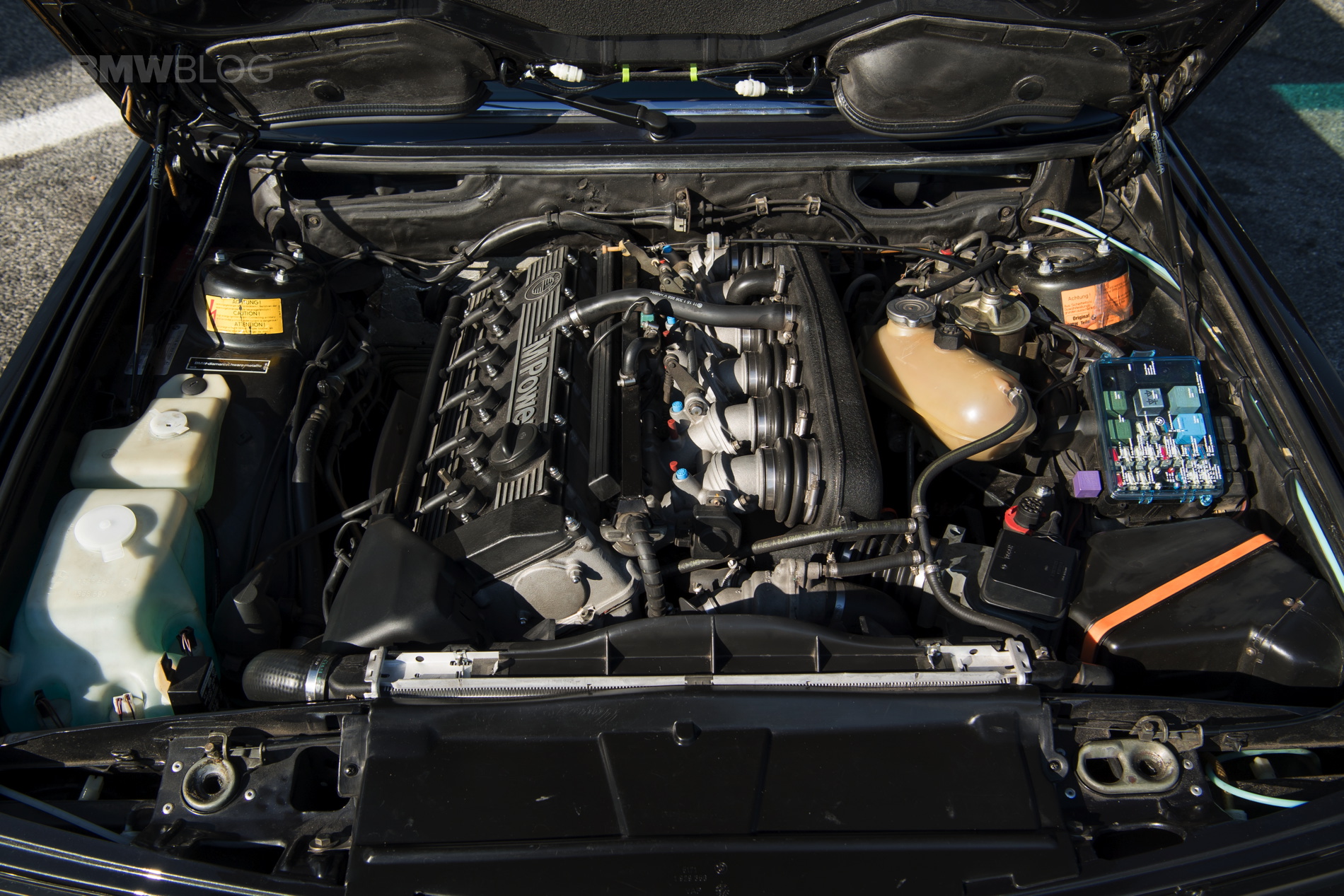
BMW developed the M88 in the mid-1970s primarily for motorsport, with its roots in the M49 — the DOHC inline-six that powered the 3.0CSi racing cars of the early ’70s, itself descended from the M30 family. The M88 took that architecture and turned almost everything that mattered into something else entirely. The block is cast iron. The 24-valve DOHC head — with dual camshafts and four valves per cylinder — was a genuine rarity in production cars at the time. Displacement sits at 3,453cc.
One thing worth getting straight immediately: the M88 was always fuel-injected. It used Kugelfischer mechanical injection with individual throttle valves — never carburetors. The throttle response that system delivers is immediate in a way that modern drive-by-wire calibration doesn’t replicate, and the mechanical injection has its own maintenance character, but it is not a carburetor engine.
The variant breakdown matters here. The base M88, fitted to the M1, produced 277 hp (DIN) at 6,500 rpm. The M88/1 was the naturally aspirated Group 4 racing variant, pushing around 470 hp. The M88/2 was the Group 5 turbocharged racing engine — downsleeved to 3,191cc to meet class regulations, and producing up to 900 hp in full race trim. The M88/3, fitted to the E28 M5 and E24 M635CSi, was the most developed road version: 280 hp (210 kW) at 6,500 rpm and 340 Nm (250 lb-ft) at 4,500 rpm, with Bosch Motronic electronic injection replacing the Kugelfischer mechanical system.
Reliability: The Big Picture
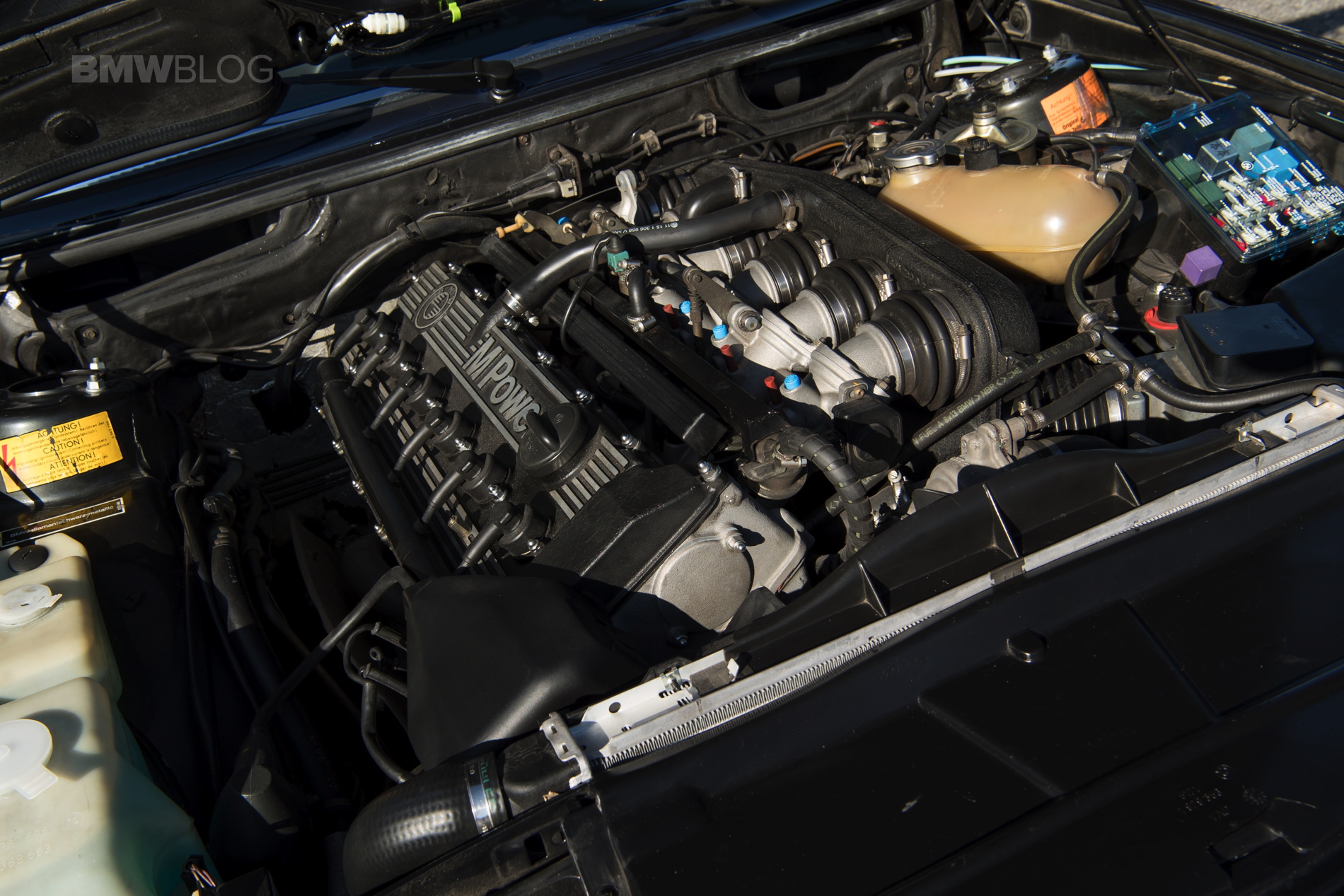
The M88’s reputation for reliability is good — not bulletproof, but genuinely solid for a high-strung engine of its era. A few things are worth understanding clearly.
The cooling system is the weak link
Start with the cooling system, because that’s where most M88 stories go wrong. The water pump, thermostat housing, and associated hoses are all decades-old components running under thermal stress that was significant even when new. On any M88 that hasn’t been refreshed, these parts are on borrowed time. A coolant system overhaul isn’t optional maintenance on a survivor engine — it’s the first thing you do. Overheating an M88 is how head gaskets fail, and head gasket jobs on the M88 are not cheap.
The valve train is a different story. The dual camshafts and valvetrain components were engineered to motorsport tolerances, and they generally last. Bucket tappet clearances need periodic checking, but the camshafts themselves rarely cause problems when the engine has been maintained and run on quality oil.
Oil consumption is normal — up to a point
The M88 will drink some oil, and owners who panic at anything less than zero consumption are going to drive themselves crazy. Modest consumption on a well-maintained example is expected. What you don’t want is blue smoke under acceleration or a suddenly escalating rate, which points to worn valve stem seals or rings.
The injection systems: two different problems
The base M88 and M88/3 use different injection systems — Kugelfischer mechanical on the former, Bosch Motronic on the latter — and each has its own maintenance rhythm. The Kugelfischer system is mechanically robust but requires a specialist who knows it; most modern shops don’t. On the M88/3, the Motronic is more familiar territory but the ECU and associated components are genuinely hard and expensive to source now. Any M88/3 purchase should include a careful check of the injection system’s operation — not because it fails often, but because fixing it when it does is a pain.
Bottom line on reliability: treat the cooling system seriously, don’t skip oil changes, and use the right viscosity (BMW called for 20W-50 in period, and many owners stick with that or a quality 15W-50 synthetic). An M88 that’s been maintained properly can run a very long time.
Efficiency
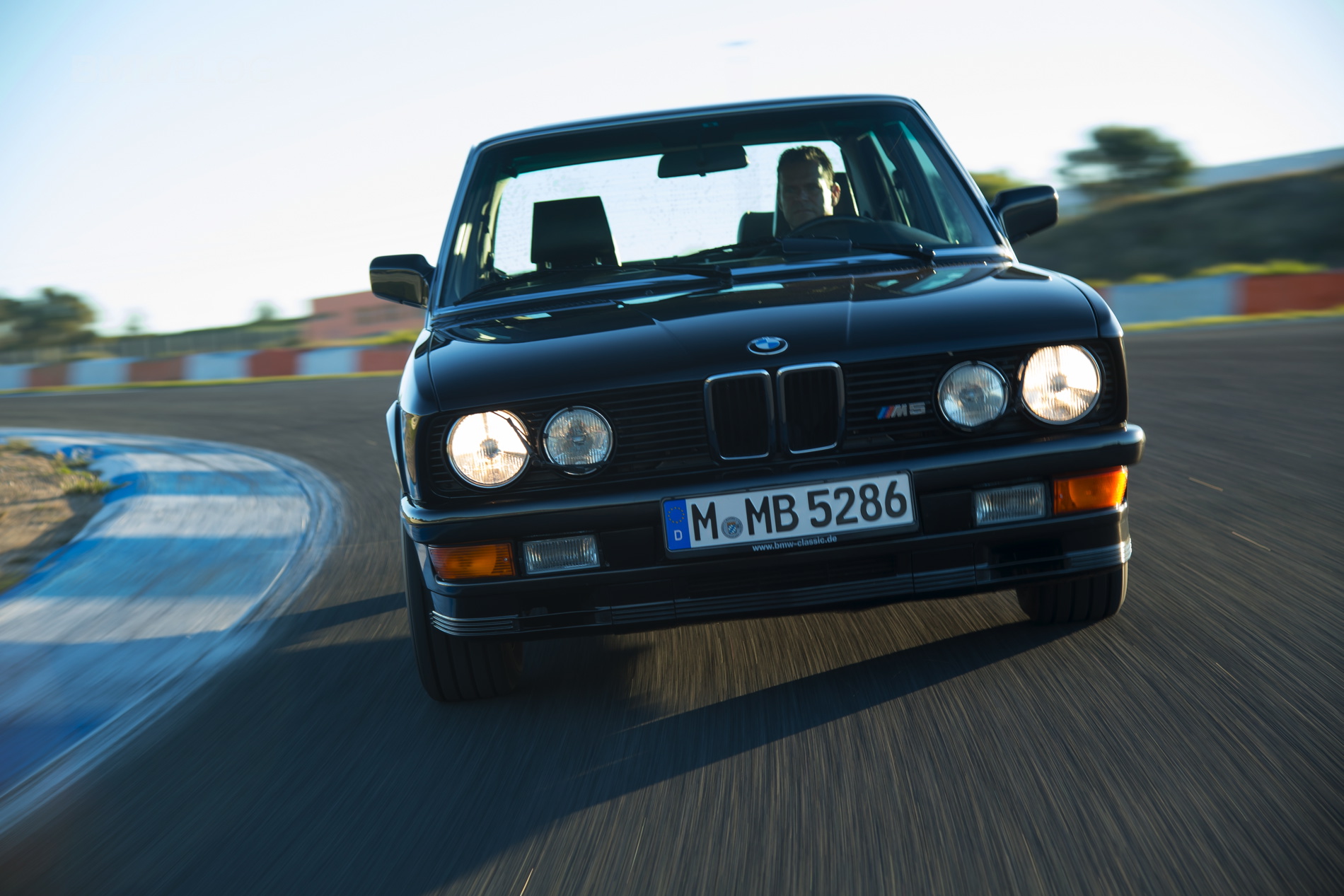
There’s no polite way to say this: the M88 is not an efficient engine by any modern measure. It was designed in an era when fuel economy was a secondary concern for a sports car application, and it shows.
The M1 with its Kugelfischer mechanical injection returned roughly 10-14 mpg in normal driving. Fill the tank, enjoy 200 kilometers, fill the tank again. The M88/3 in the E28 M5 did somewhat better — around 15-18 mpg on a European cycle — but you’re still watching that needle move faster than you’d like on a long motorway run. Six individual throttle valves feeding 3.5 liters of high-compression displacement aren’t interested in economy. Budget for fuel as a recurring operating cost and stop thinking about it.
The one area where the M88 punches above its era: the 24-valve head with its narrow included valve angles made for genuinely good combustion efficiency, and BMW extracted respectable power per liter for the late 1970s. But that was about performance, not consumption. The goal was a high-revving road engine derived from racing hardware. They got it.
Premium fuel only. The compression ratios and ignition timing are sensitive to octane, and running lower-grade fuel is a reliable way to introduce detonation.
Tuning Potential

This is where things get interesting — and where the M88’s motorsport origins really show.
The engine was designed from the start to accept significant power increases without major surgery. The block is stout, the head flows well with minimal modification, and the bottom end can handle substantially more power than the road cars produced.
In naturally aspirated form, the M88 responds well to the classics: porting and polishing the head, higher-lift camshaft profiles, individual throttle bodies, and an upgraded exhaust. A well-built naturally aspirated M88 can reach 330-360 hp without exotic components. The engine’s high-revving nature means that cam timing and head work pay dividends more directly than they would on a torque-focused design.
Forced induction is where the power ceiling moves dramatically — and the M88/2’s 900 hp race history tells you the architecture can take it. Road turbo builds have pushed M88-based engines past 500 hp in drivable configurations. The block can accommodate this, though at those power levels the bottom end benefits from forged internals. The connecting rods are the first component most serious builders replace when chasing big numbers.
The M88/3’s Bosch Motronic can be chipped, which opens up ignition and fueling adjustments without swapping the entire injection system. For mild power increases (10-15%), a chip combined with an exhaust upgrade is a clean, reversible path. For anything more aggressive, a standalone ECU or modern injection conversion becomes the cleaner solution. Some builders replace the Motronic entirely — fitting a programmable ECU and modern injectors, running the engine on a full tune. You keep the M88’s mechanical character and gain contemporary fuel management precision.
One thing worth noting: the M88’s value as a numbers-matching engine in collector cars is real and rising. Before modifying a correct M1 or early M5 engine, it’s worth considering whether preservation is the smarter long-term play. There’s a healthy market for well-maintained original examples, and a modified engine — even a well-modified one — changes the conversation at resale.
A Place Cemented in BMW’s History

The M88 occupies a specific position in BMW’s history: it’s the engine that proved the Motorsport GmbH division could build something genuinely competitive with the Italian and British sports car establishment of the late 1970s. The M1 wouldn’t have worked without it.
If you want to understand what the M division was originally trying to do — before the turbos, before the torque figures that require scientific notation, before the active differentials and launch control — the M88 is the most direct answer available.