In 1961 at the Frankfurt Motor Show, BMW’s legacy changed forever. It was here that the brand debuted the first of its “Neue Klasse” — German for New Class — cars. Of course, at the time it was just referred to as the BMW 1500. The “New Class” moniker wouldn’t crop up in BMW’s advertising until 1964. Regardless, the BMW 1500 (and later, the rest of the Neue Klasse cars) became a cornerstone of the brand; it both helped bring the brand back from the brink of extinction and set the foundation for a stable of cars no automaker could match for decades to come. The car’s importance resonates even today, 65 years later.
The BMW 1500: 65 Years Ago, It Saved BMW
Before the car’s debut — an even for the rest of 1961 — BMW was not in a good place. In the post war era, BMW’s losses mounted: year after year, the brand posted poor financials, with little brand cache save for the adorable BMW Isetta (which was only kind of a BMW; it was, after all, technically a car designed by Italy’s Iso Autoveicoli). The microcar craze receded and BMW’s luxury offerings aged. Things became dire, but the stage was set for the brand’s glow up. The Quandt family had ostensibly “saved” the brand around 1960, heavily investing and gaining a controlling interest. In late 1960, the BMW 1500 began taking shape.
As BMW already had a functional four-cylinder engine — the M115 — from its early attempts at a mid-sizer, a great design with good packaging was needed. Enter Wilhelm Hofmeister, who together with Italian designer Giovanni Michelotti, sketched the Neue Klasse sedan. Its simple, thoughtful design and layout was an intentional departure from BMW’s previous models. To illustrate the contrast, think about the BMW 507 and then take a look at the BMW 1500. Aside from a passing resemblance in the grille, almost nothing gives away that both models are BMWs. As a reminder, the 507 ended production just two years before the BMW 1500 debuted!

The BMW 1500 was critically and commercially very well received. By 1963, BMW was able to resume paying dividends to its shareholders, something that hadn’t happened in two decades. As the Neue Klasse’s success became apparent, BMW got to work cashing in. The BMW 1500 led to the BMW 1800, which featured the earliest of BMW’s “modern” power plants, the M10 four-cylinder engine. A new 1600 model came in 1964, with the BMW 02 Series coming soon thereafter. During the ten years between 1960 and 1970, BMW’s sales tripled, with revenue increasing more than sevenfold.
BMW 1500: 65 Years Later

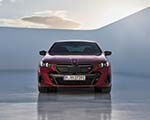
The BMW 1500 specifically never hit collector marketplaces at a premium. But arguably, there’s a lot of the original Neue Klasse around today. The Hofmeister kink debuted on the BMW 1500. More obviously, the Neue Klasse has lent its name to the next generation of electrified BMW models. While the iX3 and its ilk might not appear to share much with the boxy, functional 1500, and the brand isn’t particularly struggling at the moment, there’s a lot to be said about the ideological shift BMW and the rest of the automotive market is grappling with right now. Recall how the “Neue Klasse” moniker originated: “The view was that we had created a quite unique and peerless ‘new class’,” said Marc Thiesbürger, Press Spokesman for BMW Group Classic. Will the…erm, New New Class measure up — will anyone remember in 2090? Only time will tell.