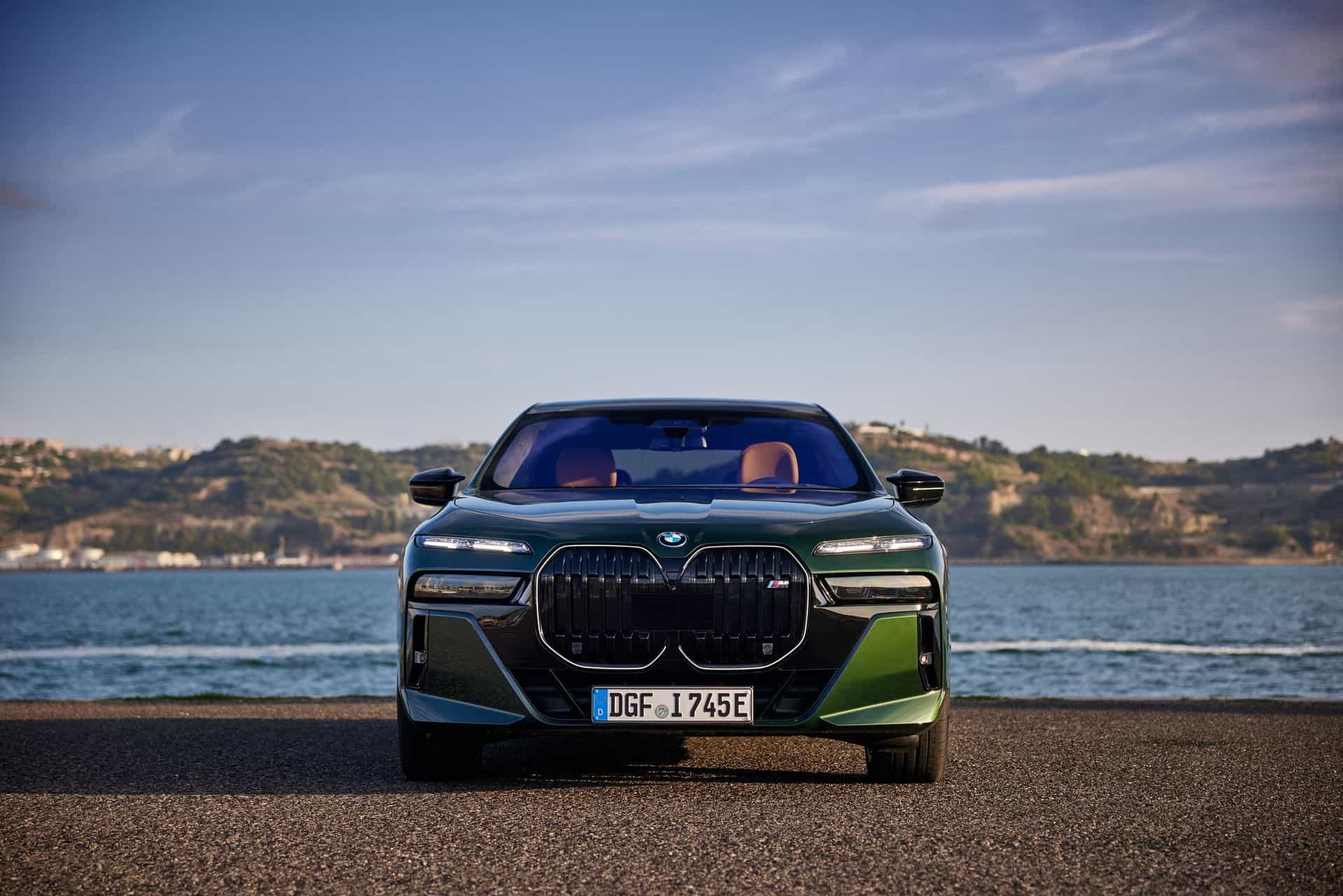
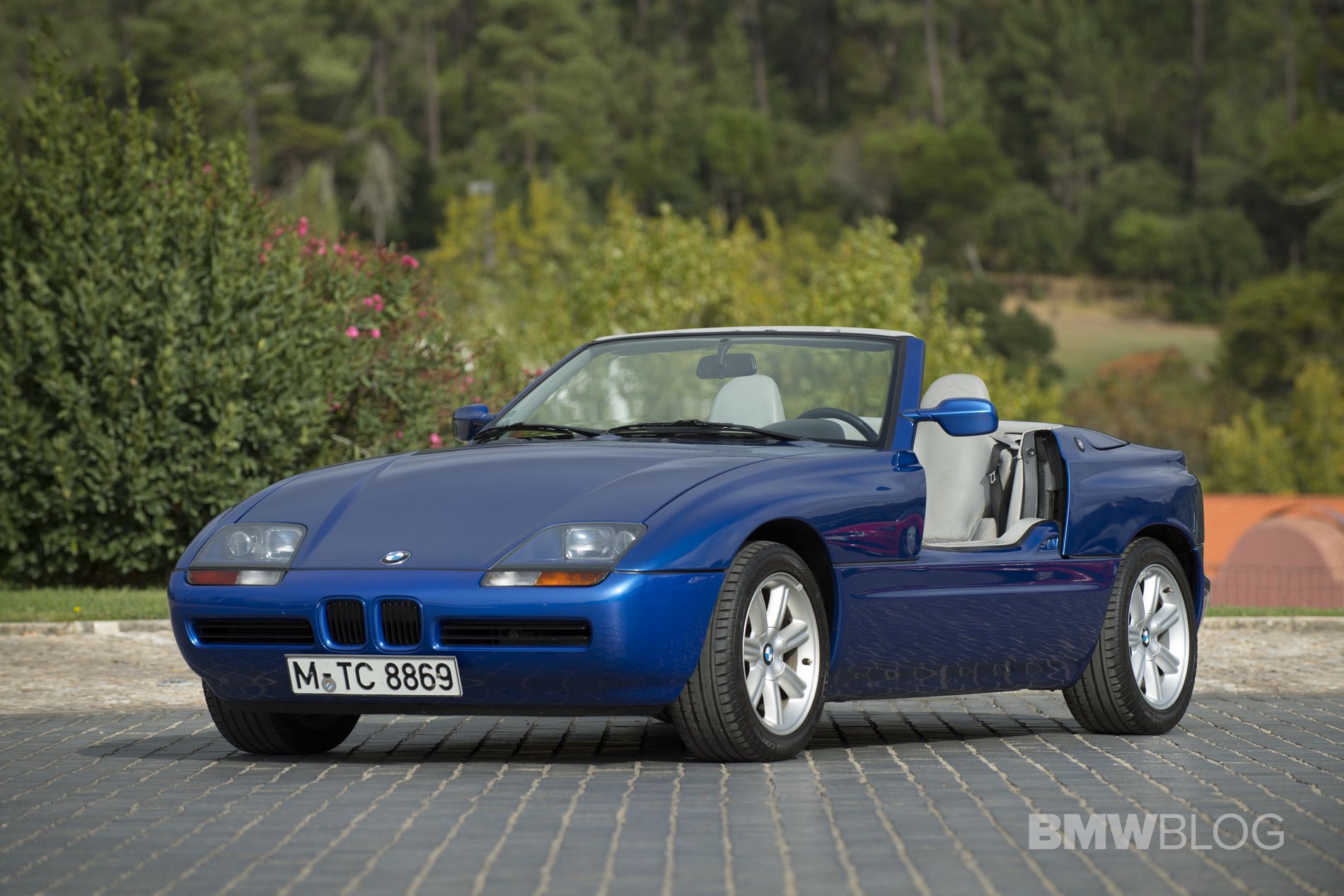
Deutsche Umwelthilfe has lost its bid to drag BMW and Mercedes into a 2030 combustion engine phase-out through the courts. Germany’s Federal Court of Justice (BGH) dismissed both climate lawsuits last week, and the reasoning is worth paying attention to: this isn’t a question courts get to answer.
The organization’s legal case rested on a fairly direct argument. The CO2 produced by BMW’s and Mercedes’s fleets is so significant that the only way to manage it responsibly is to stop selling combustion vehicles by 2030. Three of DUH’s managing directors served as the plaintiffs, claiming that their constitutional right of personality — a broad personal protection under German law — was being violated by the automakers’ continued business practices.
It was an ambitious swing. DUH has scored real wins before using courts to pressure companies and governments, so this wasn’t a frivolous attempt.
The BGH’s problem with it
The court’s core objection is a straightforward one: you can’t hold a company accountable for exceeding a CO2 budget that nobody ever gave it. Germany does have a national carbon budget, enshrined in the Federal Climate Protection Act and tied to the Paris Agreement. But that budget belongs to the country, not to individual companies. BMW has never been handed a personal emissions allowance, so the court found no basis for arguing it consumed more than its fair share. The connection between Mercedes selling a petrol car and a violation of someone’s personal constitutional rights was, in the BGH’s view, simply too thin to hold up.
More importantly, the court drew a clear line: deciding when combustion engines should be phased out — or whether they should be at all — is a political question. That decision belongs to elected legislators in parliament, not to judges.
What it means for the automakers

For BMW and Mercedes, and really for Volkswagen and Audi too, this is a clean result. If selling combustion engines after 2030 still makes commercial sense, no court will stop them based on this line of argument. BMW’s position here is worth noting. The company has consistently hit its legally required CO2 targets and stayed within EU fleet emissions limits — something several competitors failed to do and paid serious fines for. That track record doesn’t give BMW immunity from future regulation, but it does mean the company can point to a genuine compliance record as the political debate continues.
Climate litigation against private companies is genuinely hard to win, and this ruling is a good illustration of why. Going after governments has worked in several cases — courts have forced national governments to tighten their climate policies. But getting a court to impose a specific product phase-out timeline on a private company is a different ask entirely. The BGH essentially said: that’s not our lane.
Whether DUH pursues a different legal angle or shifts focus to lobbying for tougher legislation, the 2030 combustion deadline it was gunning for won’t come from a courtroom. If it comes at all, it’ll come from Brussels or Berlin.
[Source: BimmerToday]