Article Summary
- The new BMW i3 50L xDrive exceeded its official CLTC range of 1,028 kilometers by approximately 18%.
- BMW's endurance run was planned, but it did include highways, national roads, rural routes, and urban streets.
- The sedan finished the journey with approximately 1% battery charge remaining, meaning it could have covered a little more ground.
BMW is struggling in China, where sales continue to deteriorate amid fierce competition from increasingly capable domestic automakers. The situation isn’t getting any easier, but Munich remains optimistic that its Neue Klasse offensive will help turn things around. With the iX3 and i3 ushering in a new generation of electric vehicles, the company is betting heavily on fresh technology to regain lost ground in the world’s largest car market.
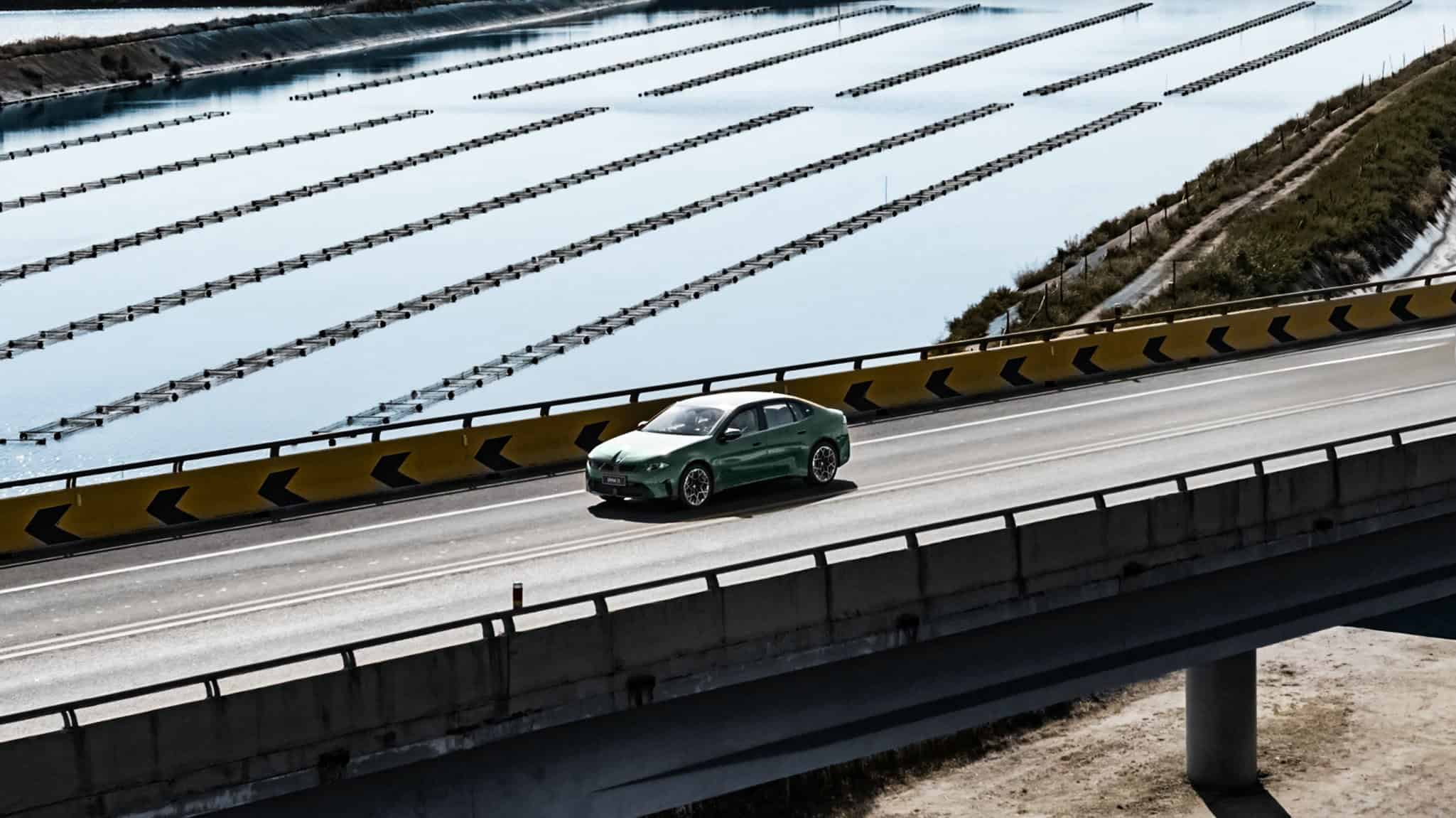
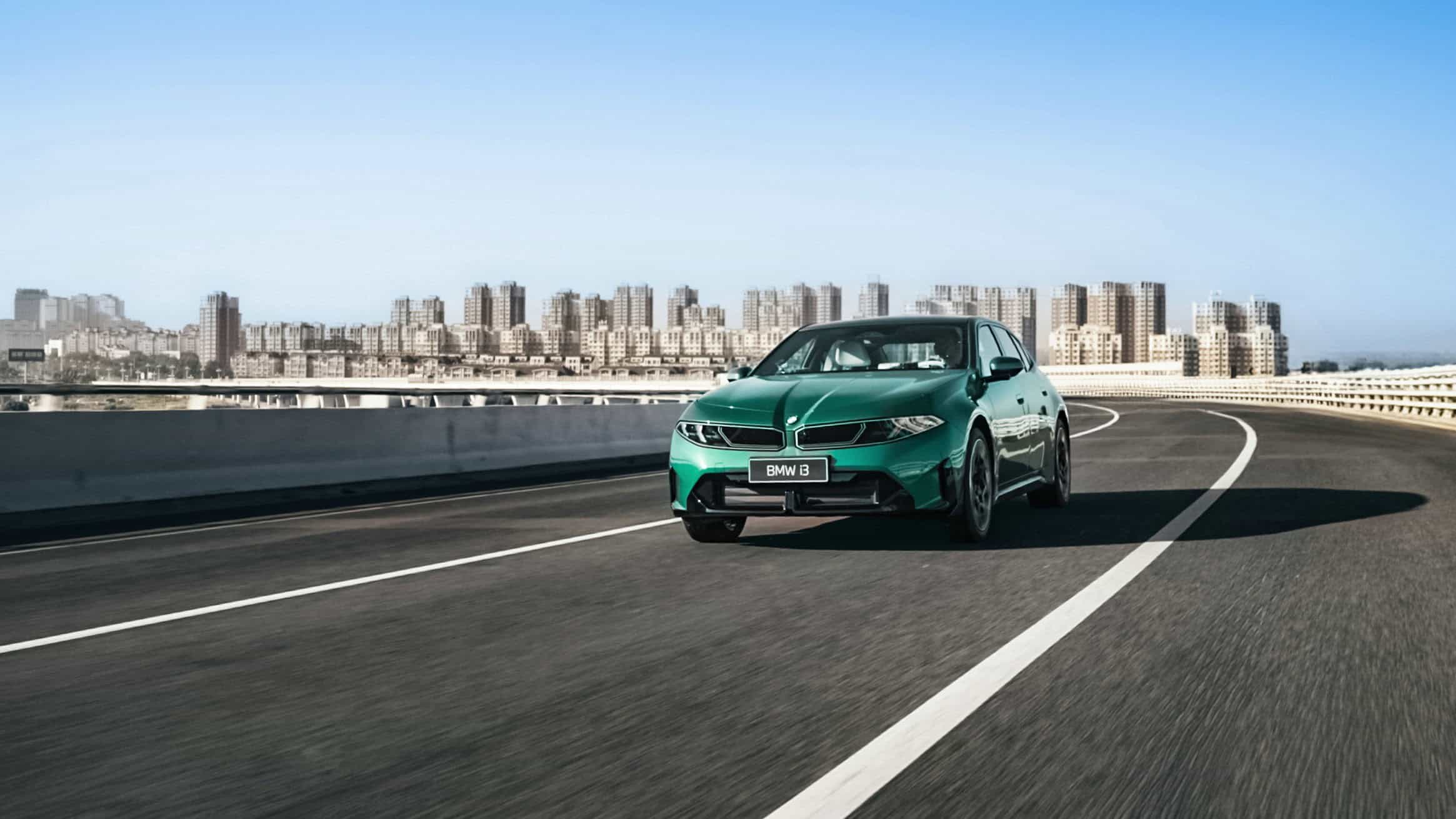
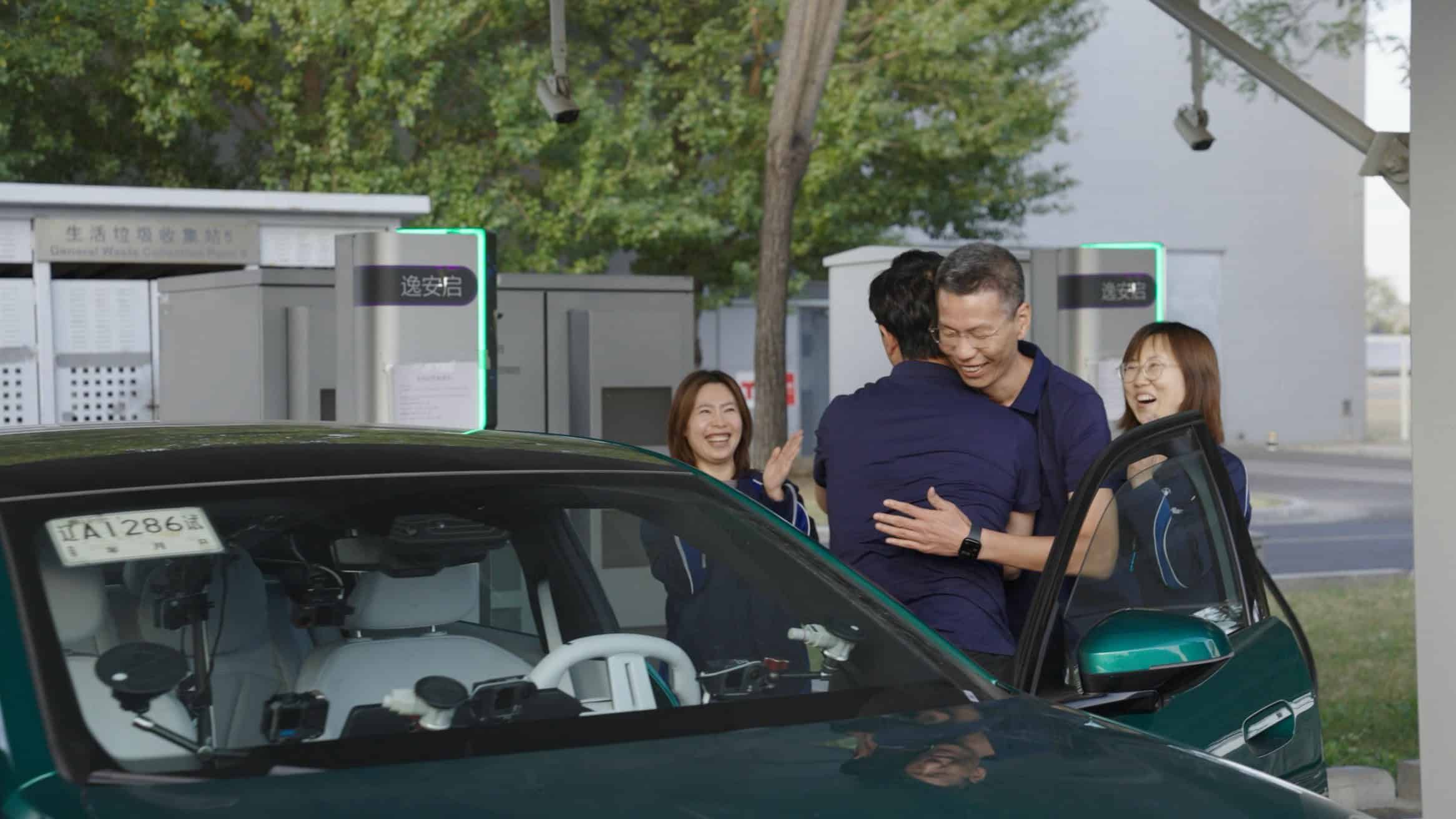
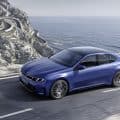
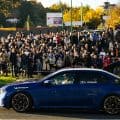
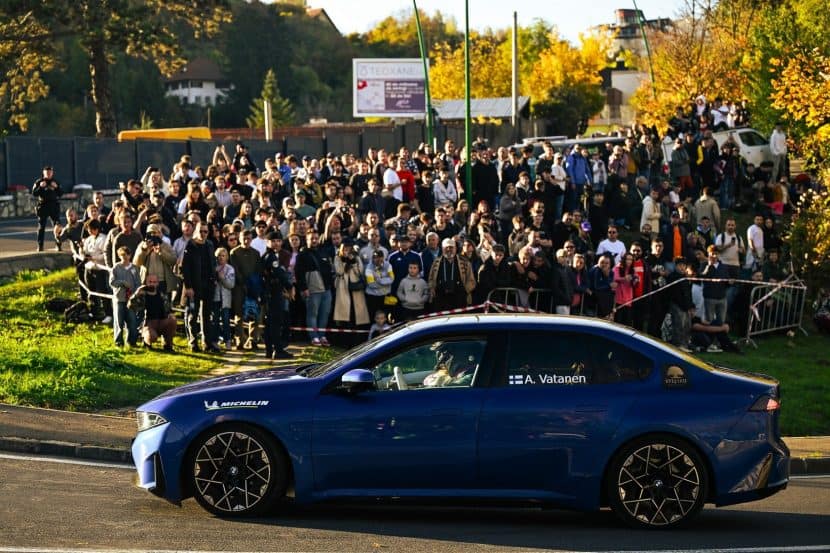
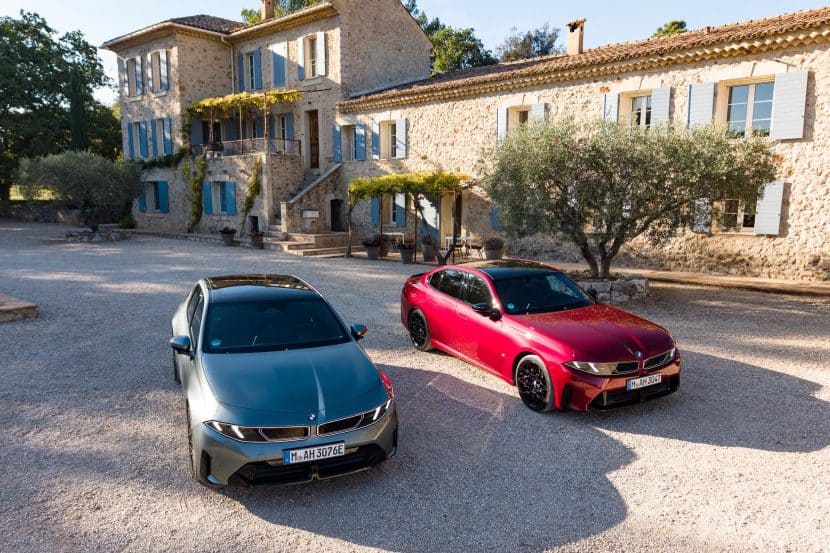
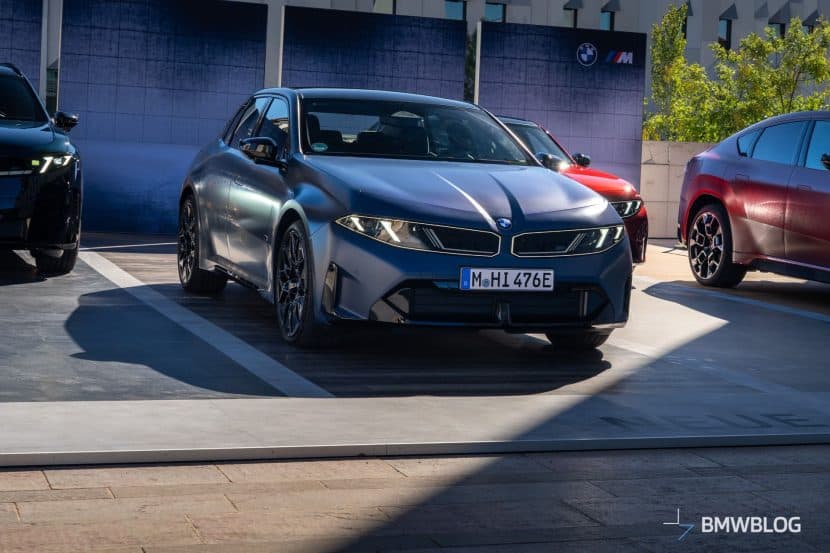
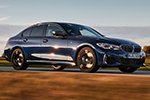
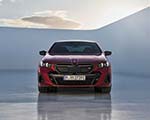
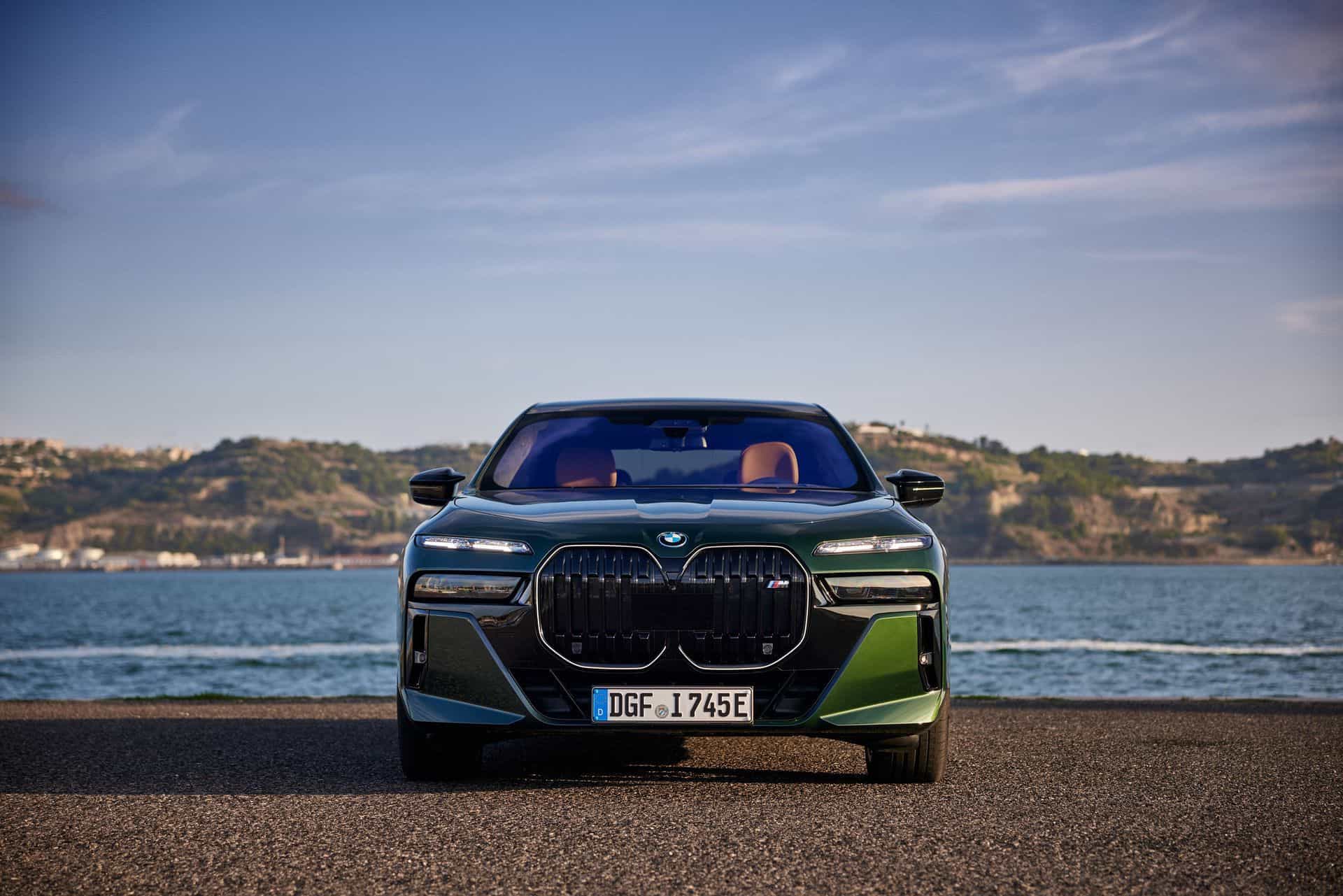
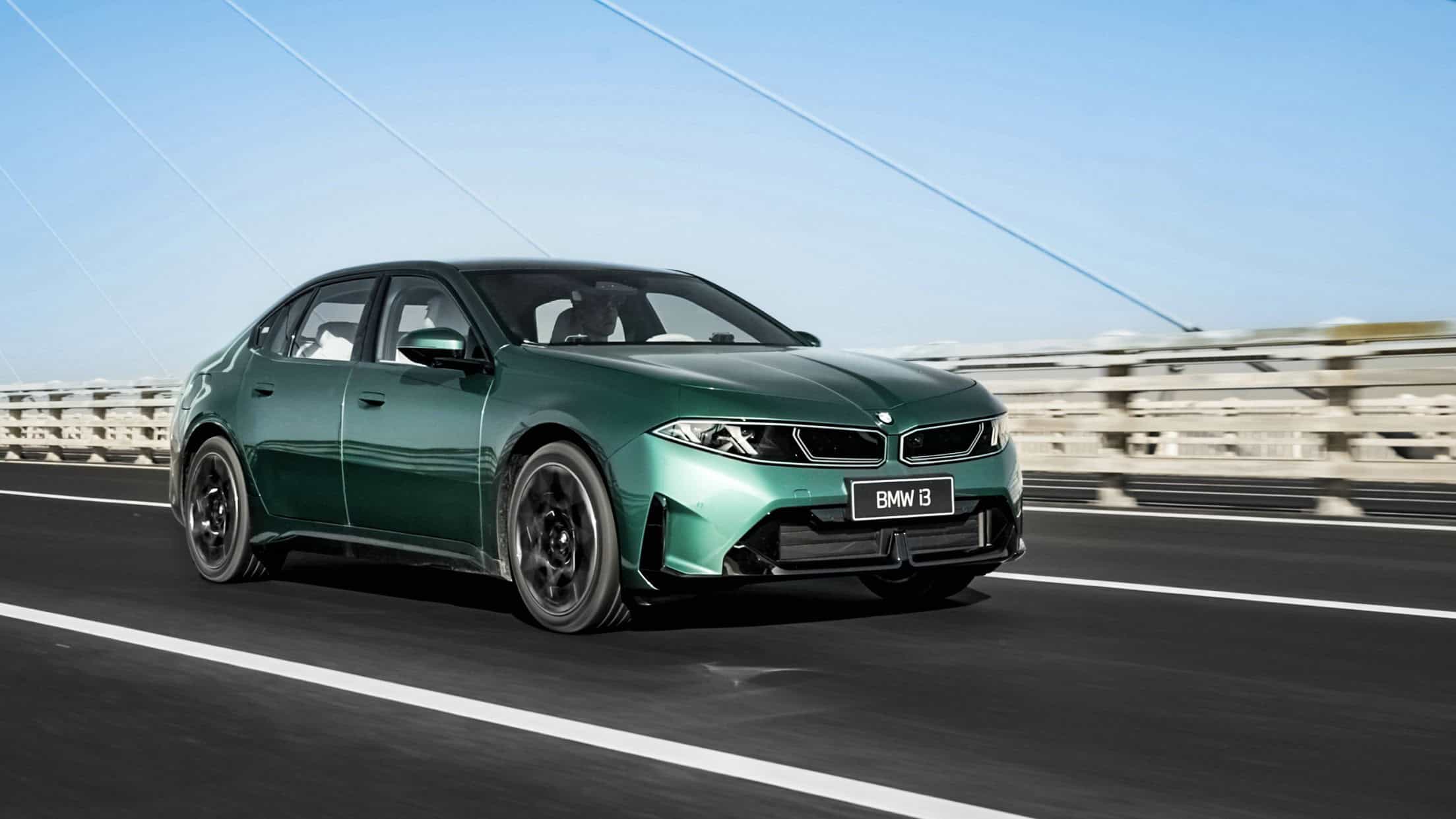
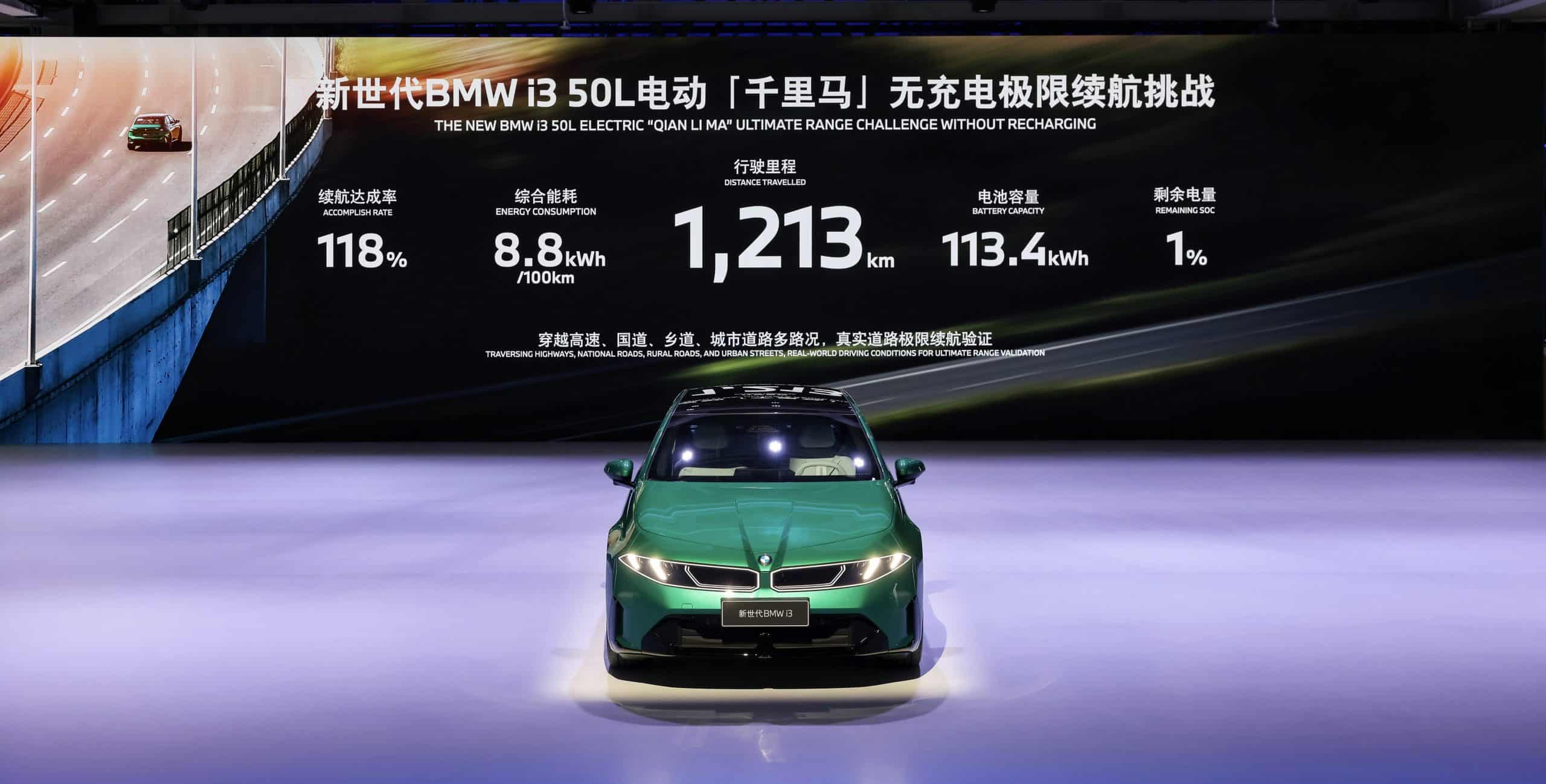
The stretched iX3 arrives in China this month, with the long-wheelbase i3 to follow in 2027. If range anxiety concerns you, the sedan will definitely be worth the wait. BMW has now released more details about what it calls its “electric chariot” after the car covered 1,213 kilometers (754 miles) without recharging. The impressive journey involved the China-specific 50L xDrive guise.
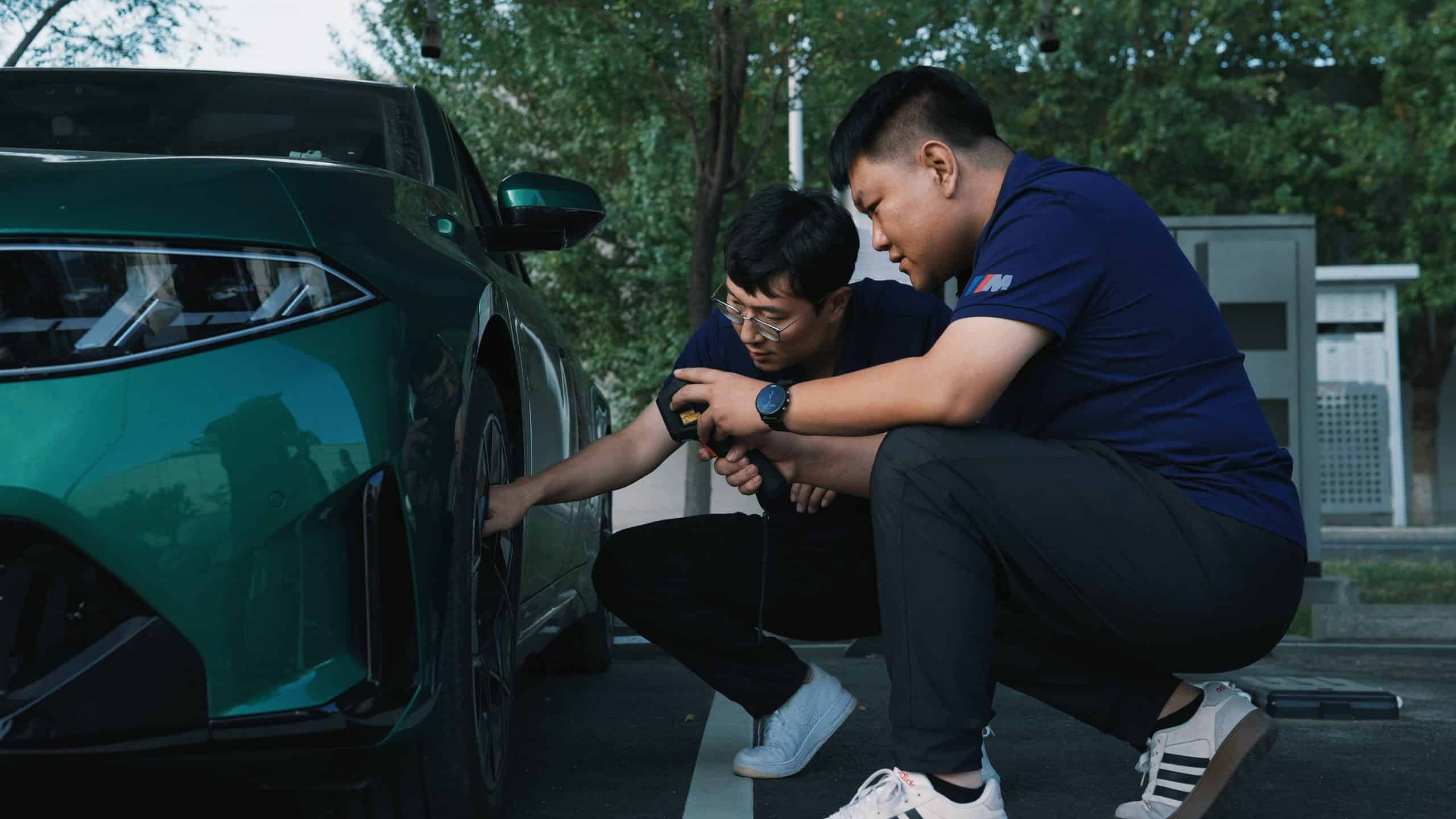
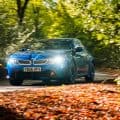
Codenamed NA8, the stretched electric sedan averaged just 8.8 kWh/100 km during the journey. That’s despite tackling a mixture of highways, national roads, rural routes, and urban streets. However, BMW makes it clear that it carefully planned the test rather than simply picking a random route: “This closed beta test was conducted under specific test routes, weather conditions, and driving conditions.”
The New Long-Wheelbase i3 Is BMW’s “Electric Chariot”
BMW hasn’t disclosed the average speed during the trip, so we wouldn’t treat the result as a guarantee of what owners can achieve in everyday driving. Nevertheless, the test covered several types of public roads rather than taking place exclusively in a controlled laboratory environment. Based on the impressive distance and its 113.4-kWh battery pack, BMW calculated that the sedan effectively traveled more than 10 kilometers per kilowatt-hour of electricity, despite weighing about two metric tons.
BMW beat the i3’s official CLTC range of 1,028 kilometers (639 miles) by approximately 18%. It could have pushed the sedan even farther by driving until the battery was completely depleted, as it still had about 1% charge remaining at the end of the test. But the latest endurance run is more about stretching the distance between charging stops than it is about range. The company argues that meaningful progress in electric mobility should come from using available energy better, not simply installing increasingly large battery packs.
BMW’s China Offensive Will Try To Reverse Declining Sales
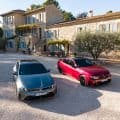
The i3 and iX3 are only the beginning. BMW plans to introduce nearly 20 new or updated models featuring Neue Klasse technology in China by the end of 2027. The company is also targeting a localization rate of more than 95% for vehicles sold in China by 2030, underlining just how important the market remains to its long-term strategy.
Meanwhile, the BMW Group, including MINI, is having a really hard time in China. Demand peaked in 2021, when sales reached 847,900 cars, but fell to 626,000 vehicles in 2025. This year will likely be even worse, with demand through September plunging another 21.8% to 376,444 units. With a fresh wave of new products, BMW hopes to reverse this worrying trend, but it won’t be easy against such fierce domestic competition.