Article Summary
- The Z1's sliding doors aren't just a gimmick — the high sills mean it's legal to drive with them retracted, giving it one of the cleanest bodysides BMW has ever built.
- BMW built roughly 8,000 Z1s from 1988-1991, with reported pre-orders jumping from 5,000 to 35,000 within a year of its Frankfurt debut.
- The 328 Roadster set the design template the 507 gets credit for, with fender lines that designers have traced forward into cars like the Jaguar XK120.
Ask anyone with a passing interest in BMW to name the best looking one the company has ever built, and you’ll get one of two answers: the 507 or the Z8. Both are correct, and both are boring answers at this point. The 507 is the car that nearly bankrupted BMW in the 1950s and is now worth more than most houses. The Z8 is Henrik Fisker’s love letter to the 507, built forty years later with a V8 borrowed from the E39 M5. They’re the two most beautiful cars BMW has ever made, full stop, convertible or not, and I’m not interested in relitigating that. Everyone already agrees.
Take those two off the board and the conversation actually gets interesting. I went looking for what enthusiasts and historians have actually said about BMW’s other open cars, not just what I already believed, and one answer kept surfacing from people who have no reason to agree with each other: the Z1.
The Pick: BMW Z1
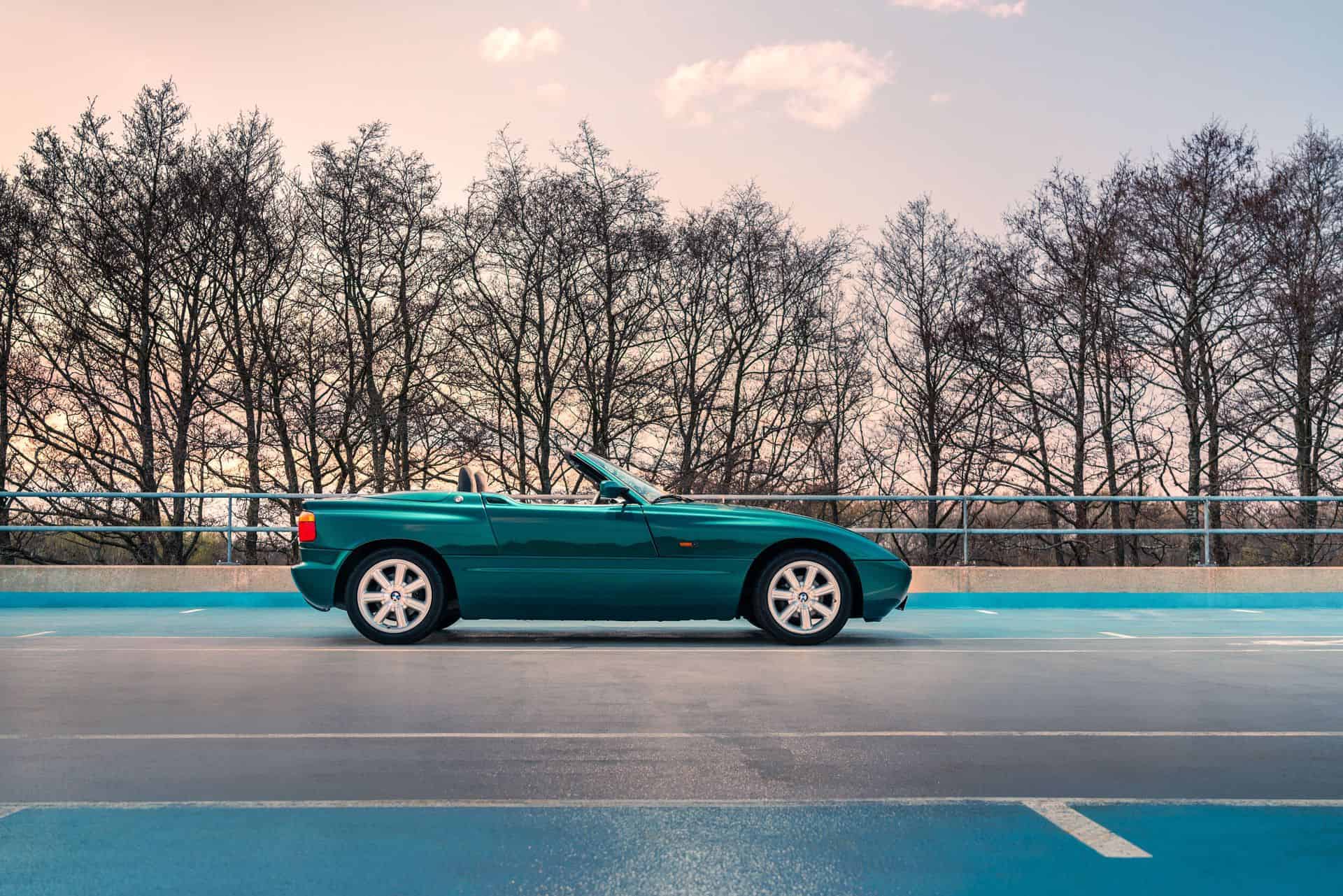
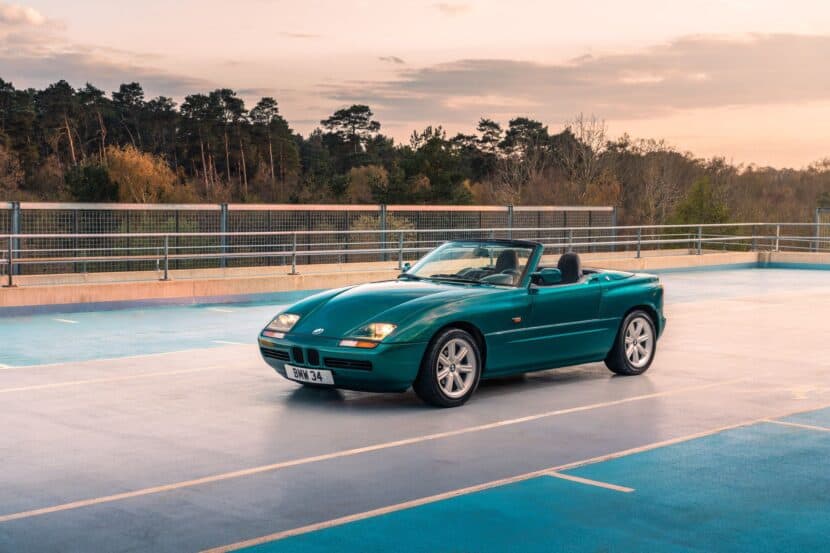
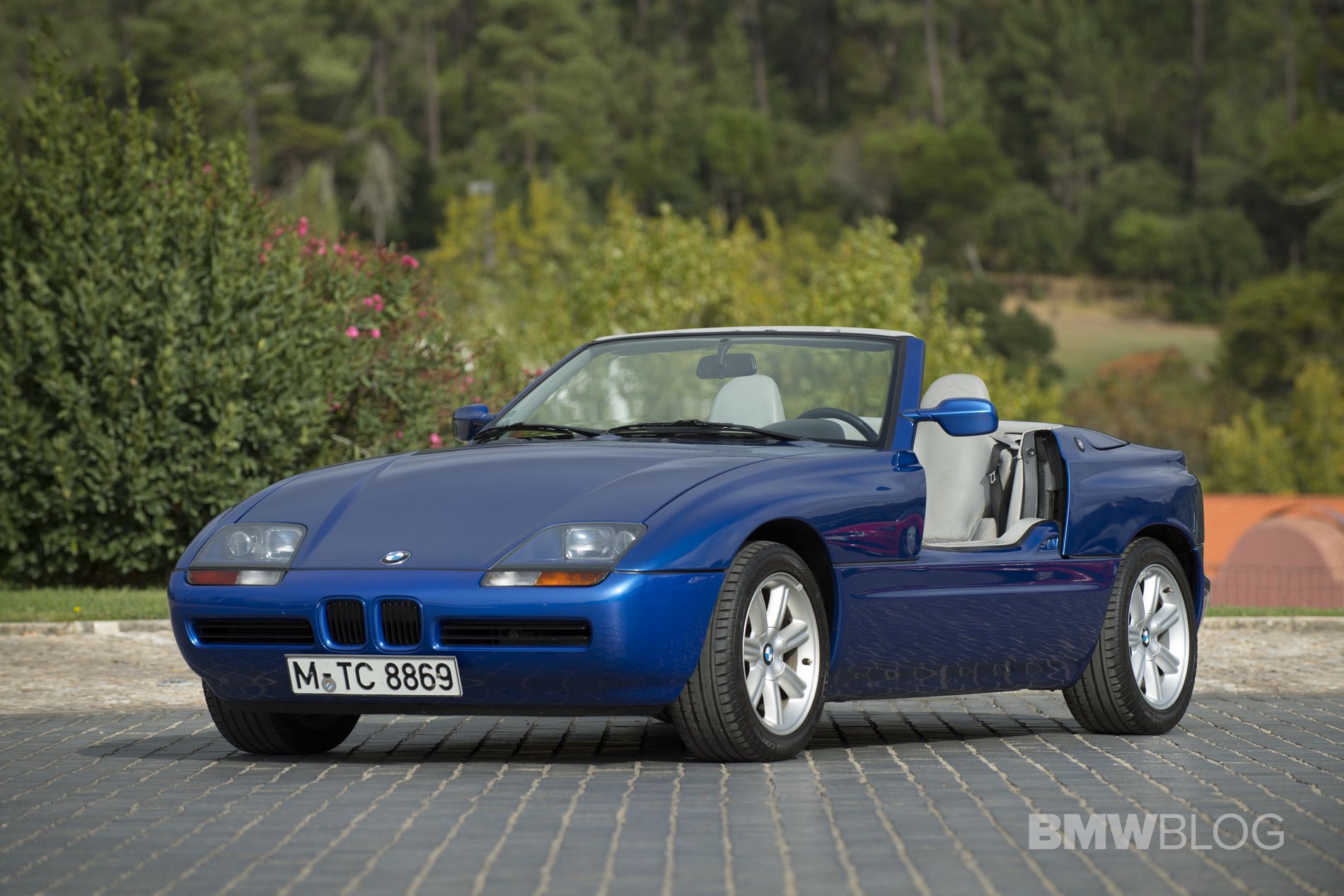
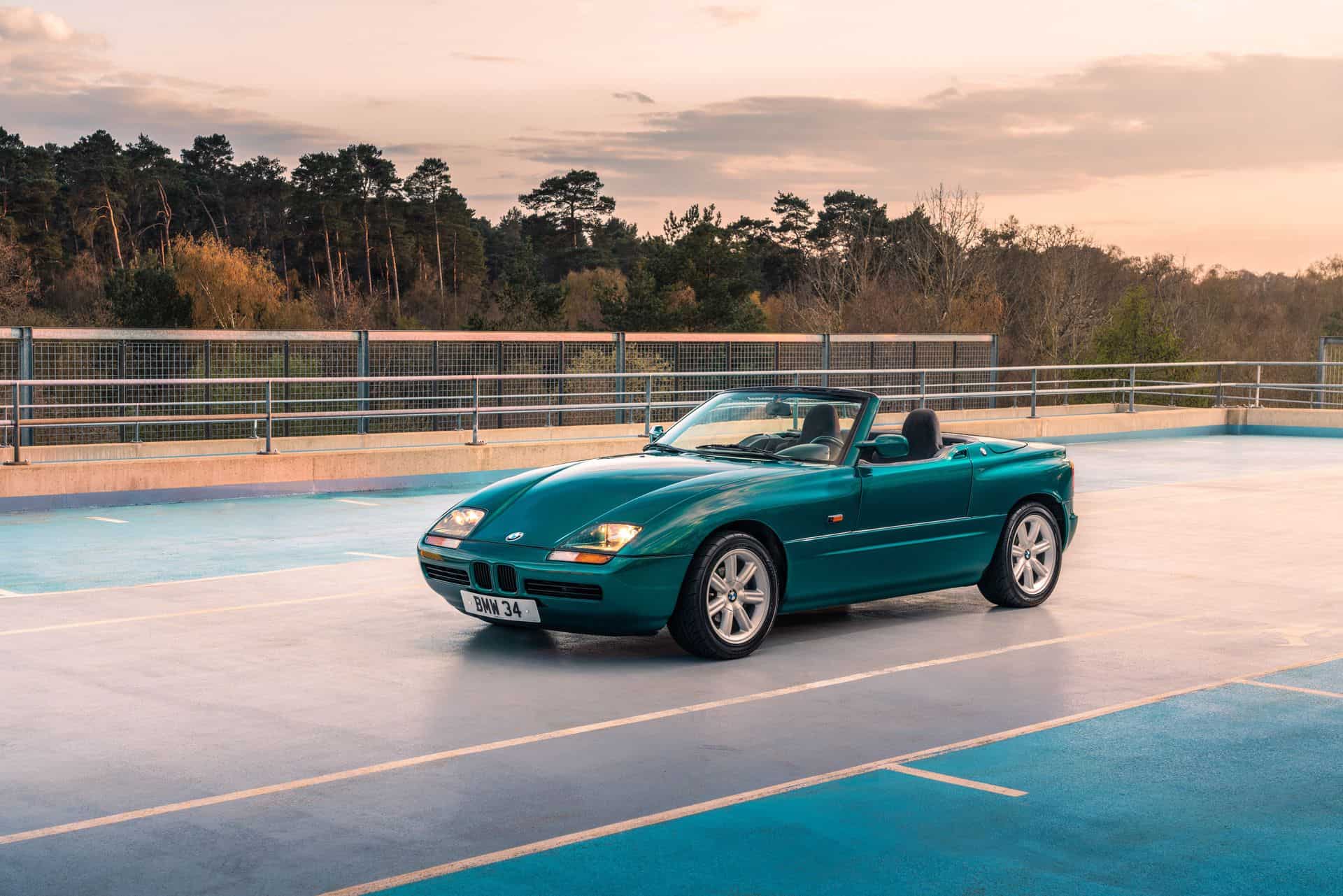
The Z1 shouldn’t work as an answer to “best looking.” It’s a wedge-shaped, plastic-bodied roadster built on E30 3 Series bones, and it’s mostly remembered for a party trick: doors that slide down into the sills instead of swinging open. That reputation undersells it. Strip away the gimmick and look at the actual shape, and the Z1 is one of the tightest, most resolved designs BMW produced in the analog era, which is exactly why writers going back to its 1986 debut keep reaching for words like timeless rather than dated.
Harm Lagaay penned the Z1 in 1986, and what he drew has almost no visual fat on it. According to BMW historians, the brief never really involved designing new engines or a new drivetrain layout, so the styling team could spend its energy on the body instead, and it shows. There are no spoilers, no wings, nothing bolted on to suggest performance the shape doesn’t already imply.
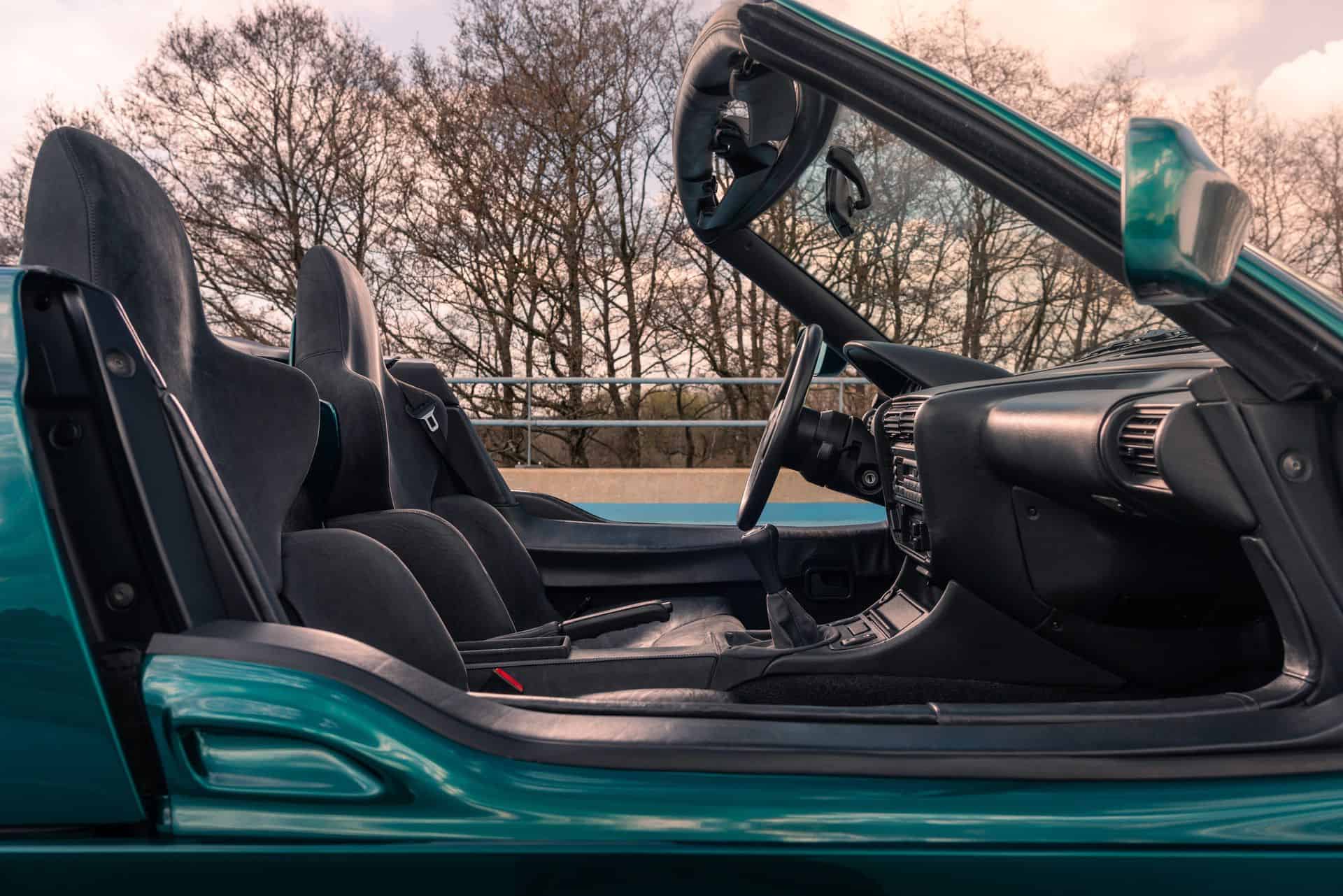
Then there are the doors, which are a genuine piece of design rather than just a novelty. Because the body’s high sills offer crash protection independent of the doors, the Z1 can legally be driven with the doors retracted, which is the only reason BMW could get away with the idea at all. It was only the second production car ever built with retractable doors, after the 1954 Kaiser Darrin, whose doors slid forward into the fenders rather than down into the sills. Drop them on a warm day and the whole car reads differently: a slim strip of sill where a door handle would normally interrupt the surface, nothing to break the line from front fender to rear. It’s one of the few genuinely clean bodysides BMW has ever built.
BMW built roughly 8,000 Z1s between 1988 and 1991, and the reception was hardly lukewarm at the time. The car was shown to the public in 1986 and the response was strong enough that BMW brought it to the 1987 Frankfurt Motor Show properly, where it again received critical acclaim, this time enough to push BMW into production, and reported pre-orders grew from 5,000 to 35,000 within a year, numbers a niche two-seater with no back seat and no badge equity to speak of has no business generating. It never got the sales run to match that appetite, partly because it was never federalized for the US market, which kept it a cult object instead of a widely recognized design. Put a Z1 next to almost anything else BMW built in the late 1980s and it looks like it drove in from a different decade entirely.
Runner Up: BMW 328 Roadster
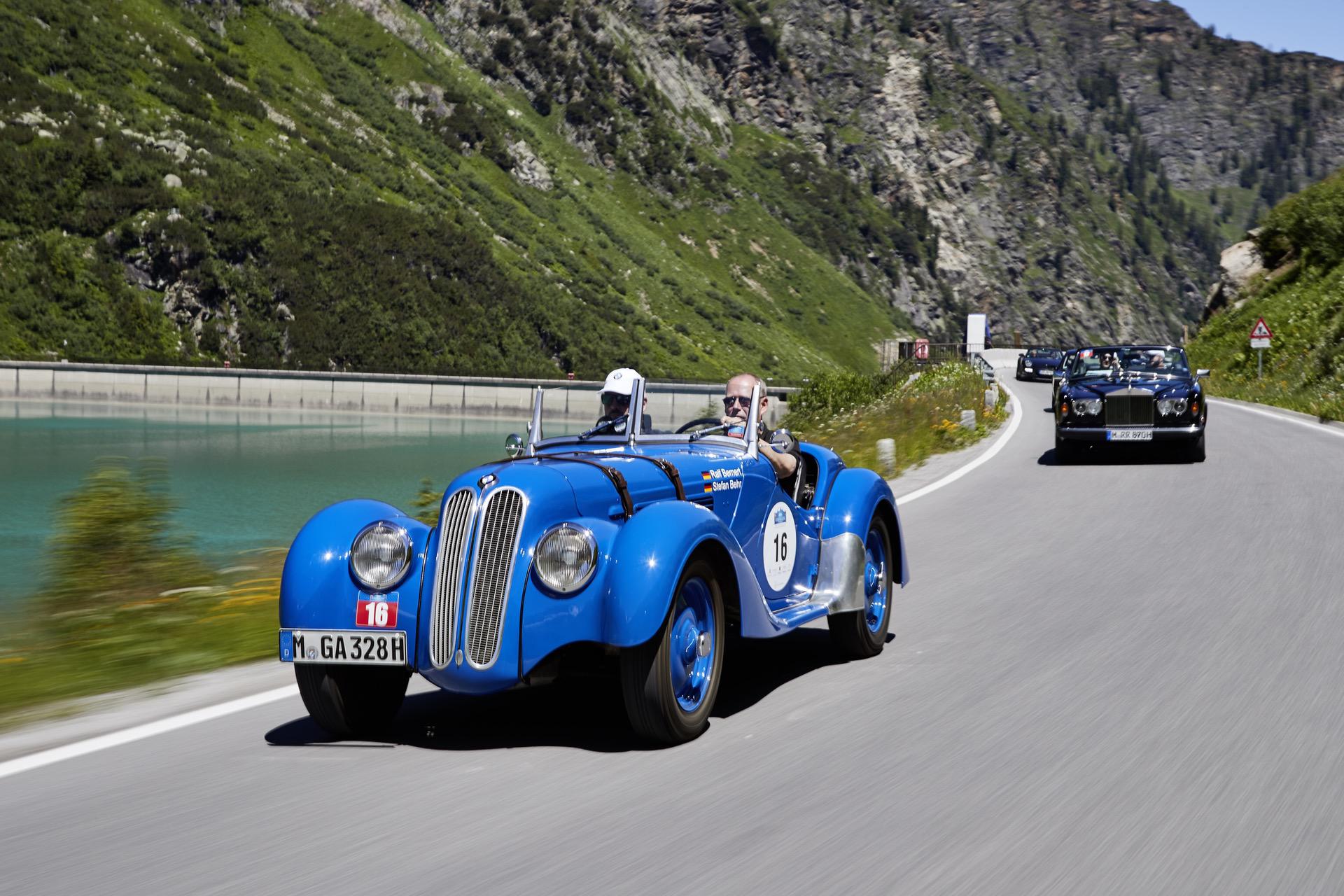
This is the car that actually set the template the 507 gets credit for. BMW built the 328 from 1936 to 1940, and depending on who you ask, it’s either the most important sports car of the 1930s or simply the best looking one, and there’s a real case that it deserves both titles.
The 328’s design was sleeker than anything BMW had built before it, with tall, floor-to-ceiling kidney grilles, swooping fenders, and curves that make it look closer to a 1950s Le Mans car than to its own pre-war contemporaries. The long hood carries two flared arches into a pair of headlights folded directly into the flowing bodywork, an unusual touch for 1936, when most cars still bolted their lights on as separate objects. The rear wheels sit under fenders that flare out to match the front, and the half-doors exist mostly to satisfy period regulations rather than to actually let you in comfortably. It’s a shape with nowhere for the eye to snag, drawn at a moment when most of the industry was still figuring out that fenders and bodywork could be one continuous idea instead of two.
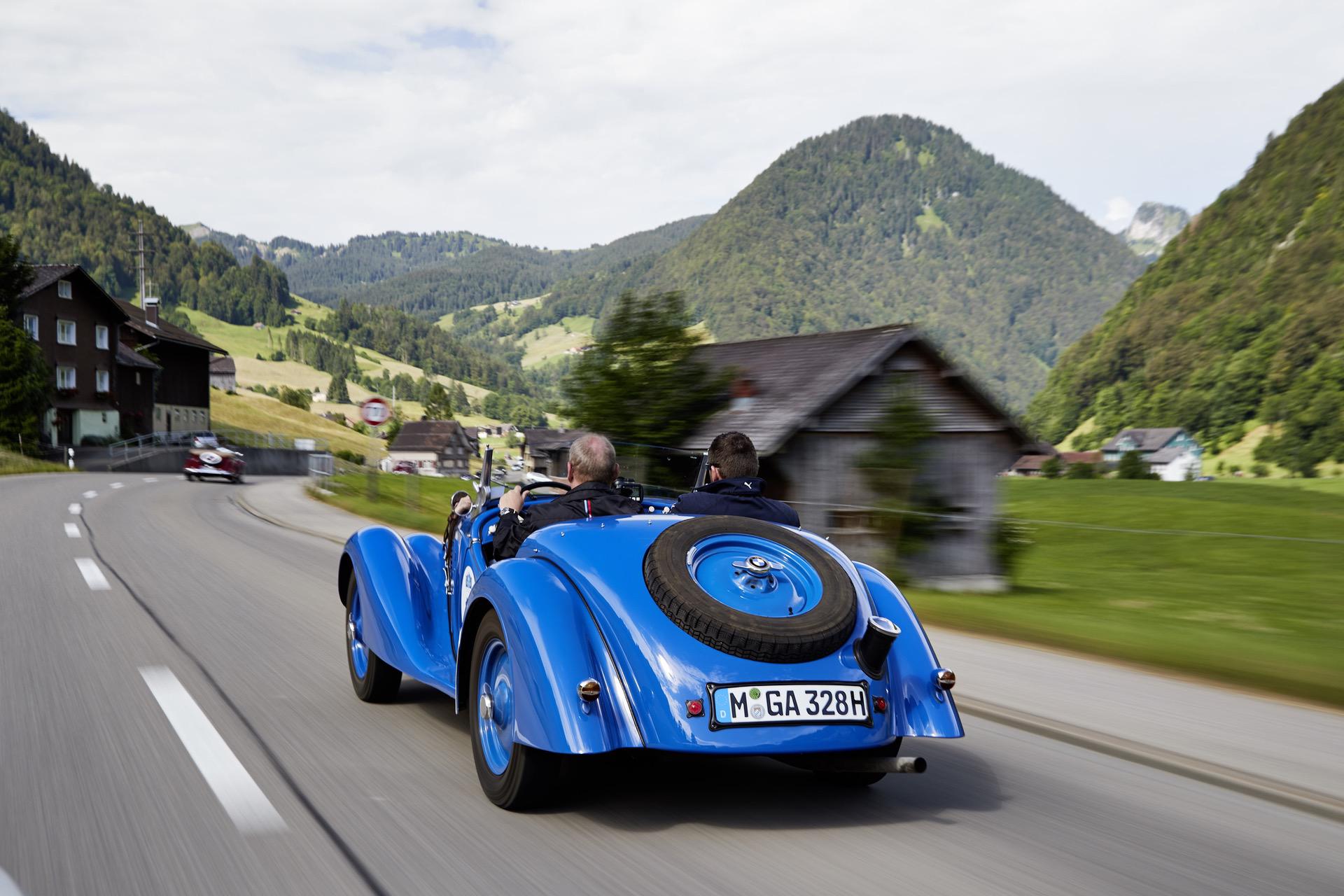
The 328 backed up the looks with results that made the shape famous on its own terms. BMW’s road-going Roadster weighed just 780 kilograms and made a modest 80 horsepower, which was enough to embarrass supercharged rivals carrying far more power, and only 464 were built in total, which is part of why surviving examples now change hands for serious money at auction. The influence didn’t stop at BMW, either. Designers studying the 328’s dramatically descending fender line have traced its DNA forward into cars like the Jaguar XK120, which tells you how far ahead of the curve this shape actually was in 1936.
Where the 328 loses ground to the Z1, for me, is character. It’s a gorgeous, historically important shape, but it’s gorgeous in a way a dozen other pre-war European roadsters were also reaching for. The Z1 isn’t chasing anyone. It looked like nothing else on sale in 1988 and it still looks like nothing else today, which is a harder trick to pull off than being beautiful in an already crowded lane.
Where That Leaves Everything Else

There’s a long list of BMW convertibles that are good cars and unremarkable shapes: the E30 M3, E93 M3, the F12 M6, the current G29 Z4. None of them are ugly, and none of them are the kind of design people go looking for decades later. The Z1 wins on conviction: a genuinely strange shape BMW committed to fully instead of softening into something safer, backed by demand numbers that proved the market wanted exactly that kind of nerve. The 328 wins on historical weight, the shape that set the standard everything from the 507 to the Jaguar E-Type would later be measured against.
I’d still take the Z1 home first, doors down, sills and all.