Article Summary
- The NB5-codenamed iX1 wears a vertical kidney grille borrowed from the iX3 and iX5, plus electrically operated door handles and a redesigned tailgate.
- It switches from front-wheel drive to BMW's rear-biased Neue Klasse platform, with sixth-generation cylindrical battery cells offering ~20% more energy density.
- The gas-powered X1 stays front-wheel drive with a standard facelift; the electric iX1 skips the LCI entirely for a full second-generation debut expected in 2027.
A prototype of the next-generation BMW iX1, riding on the Neue Klasse platform, has been spotted testing in Spain, according to a new sighting shared on Instagram, adding another location to a testing campaign that’s already taken this car from the Nürburgring to the Arctic Circle.
Spain has become one of BMW’s go-to locations for warm-weather development work, and this iX1 mule is running the same swirly camouflage that’s shown up on test cars going back to last September. The wrap is there to hide surfacing, not to hide the fact that this is a next-generation car rather than a facelift of the current U11-based model.
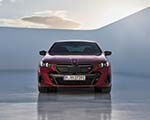
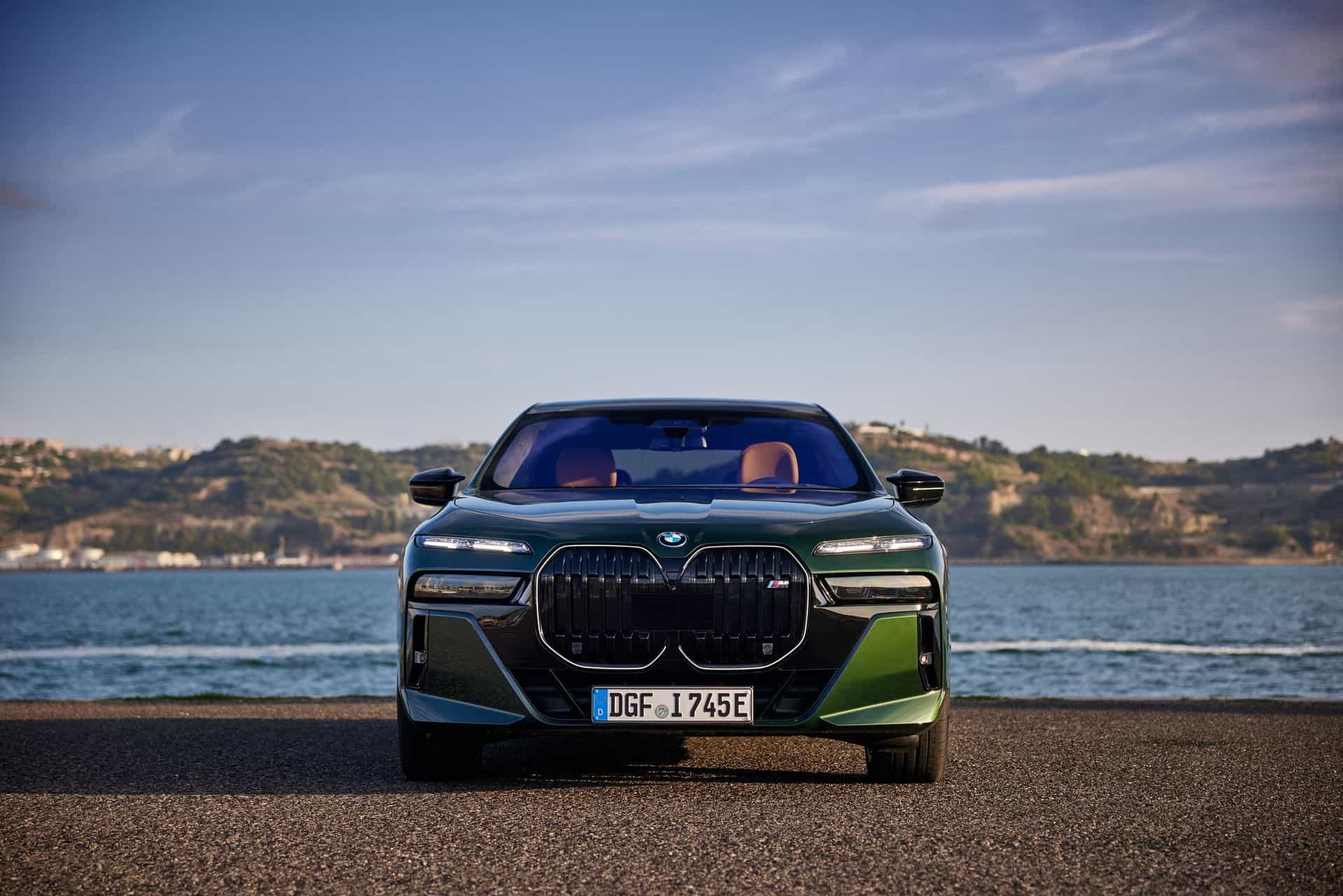
The most obvious giveaway is the grille. Despite the disguise, the iX1 wears a vertical kidney grille that protrudes slightly from the nose, matching the layout BMW has already used on the iX3 and iX5. So it’s clear that BMW is reserving the vertical kidney treatment for crossovers and SUVs, while lower-riding models like the i3 sedan get a different, horizontal kidney design where the grille merges into the headlights.
The doors give away just as much as the front end. Prototypes photographed in the past show electrically operated handles sitting proud of the bodywork, the same setup BMW is using on the iX3. If BMW wants to sell this car in China, expect those handles to get reworked before launch. The long-wheelbase i3 and iX3 already needed a late redesign to meet a stricter Chinese safety regulation on flush door handles, and there’s no reason the iX1 gets a pass.
Around back, the tailgate has clearly been reworked. The license plate sits lower than on the current iX1, where it’s mounted just below the roundel between the taillights. On the prototype, a horizontal bulge running across the tailgate hints at nearly full-width taillights, split down the middle by the roundel, echoing the look BMW has already shown on the iX3 and iX5.
Why This Isn’t Just A Refresh

The current iX1 shares its architecture with the combustion X1, and it shows in its front-wheel-drive layout. That changes entirely on the next car. The Neue Klasse platform doesn’t support front-wheel drive at all, so every version of the next iX1, even the entry-level model, starts out rear-wheel drive, with dual-motor xDrive variants layered on top. BMW is skipping the usual mid-cycle refresh for the electric model and jumping straight to a full second generation, a move with precedent: the F40 1 Series and F44 2 Series Gran Coupe both skipped their LCIs too.
Inside, the NB5 iX1 is expected to bring BMW’s latest iDrive X, including the pillar-to-pillar Panoramic Vision windshield projection and noticeably fewer physical controls than today’s car. Whether it gets the same 17.9-inch central touchscreen used on BMW’s larger Neue Klasse models is still unclear, and the iX5’s optional passenger display almost certainly won’t make the jump down to a compact crossover.
Under the skin, the move to rear-wheel drive comes bundled with BMW’s sixth-generation battery technology, cylindrical cells that BMW says offer roughly 20 percent greater energy density than the current car’s pack. Charging speed should improve too, beyond the outgoing iX1’s 130 kW ceiling, though BMW hasn’t confirmed a number yet.
When It Arrives
The regular, gas-powered X1 keeps its front-wheel-drive underpinnings, picking up Neue Klasse styling and interior tech without the platform switch, with production reportedly starting in 2027. The electric iX1 follows later that year on the actual Neue Klasse architecture, with a public debut expected roughly a year from now and first deliveries into 2028. None of this is officially confirmed by BMW, so treat the timeline as a well-supported estimate rather than a locked date.