Article Summary
- The BMW X1 leads all BMW SUVs in resale value, retaining 53.0% of its original MSRP after five years.
- The X3 M ties the X1 at 53.0%, showing that rare, full-fat M SUVs can still perform well on the used market.
- The X2, X4 M, and X4 prove that smaller BMW SUVs with clear identities can beat more popular models like the X3 and X5.
Depreciation and luxury SUVs are usually close friends. Big MSRPs, expensive options, and higher running costs make secondhand buyers cautious, especially once a vehicle is a few years old. But no two SUVs depreciate identically; BMW’s lineup is no exception. According to iSeeCars’ 2026 resale value data, the strongest performers are not necessarily the biggest, most popular, or most expensive models. Instead, the list favors smaller SUVs, niche body styles, and a couple of full-fat M models with clear enthusiast appeal. Here are the five BMW SUVs that hold their value best in 2026.
1. BMW X1 — 53.0%
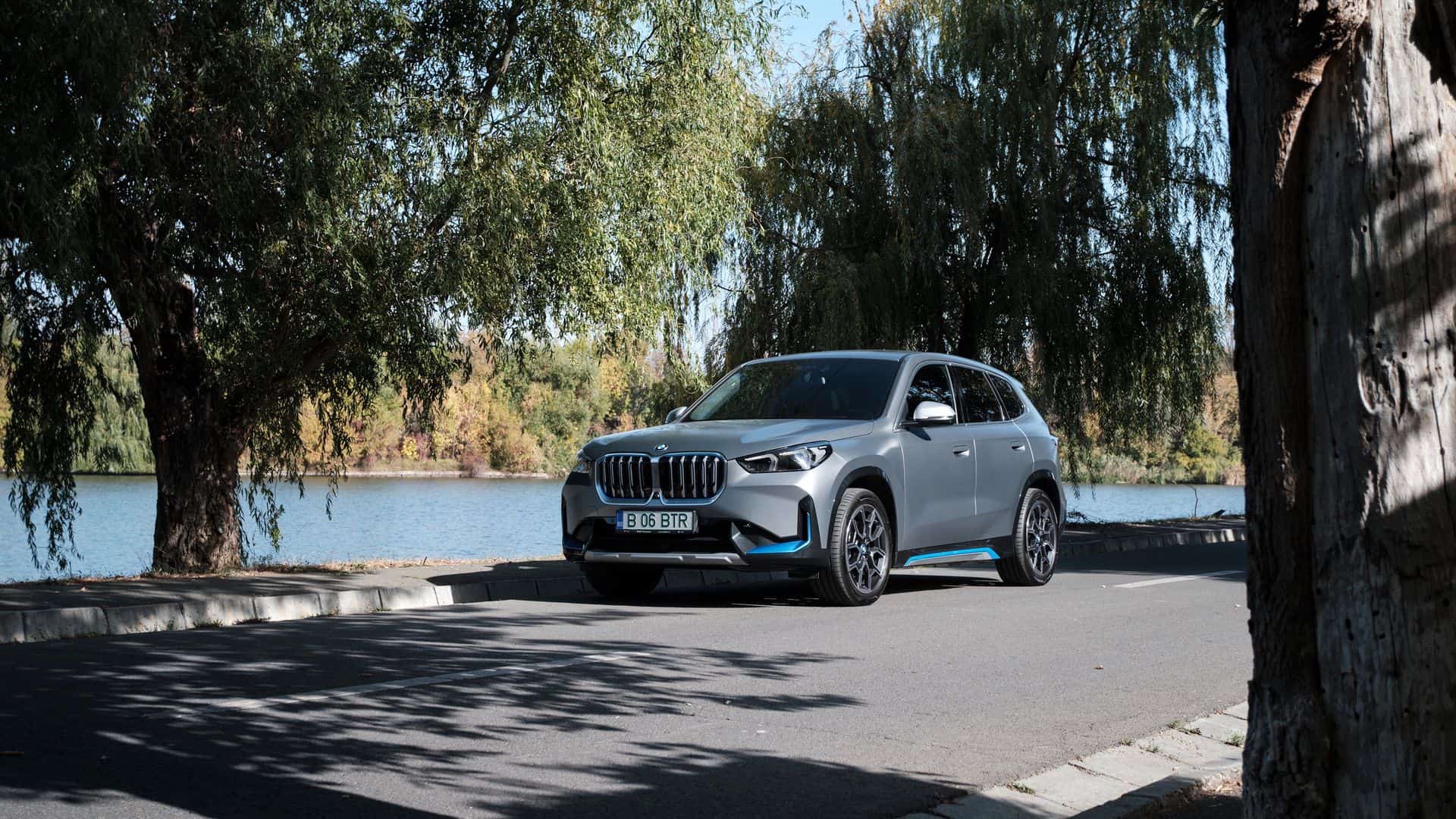
The BMW X1 is the strongest resale performer among BMW SUVs, retaining 53.0% of its value after five years. Frankly, it’s also the most obvious. The X1 is one of BMW’s most accessible SUVs, and price certainly matters on the used market. It gives buyers the badge, a useful cabin, decent cargo space, and a relatively compact footprint without the price or complexity of larger BMW SUVs. It may not be the most exciting BMW, but it is probably the easiest to justify financially. The X1 also benefits from broad appeal. It works for commuters, small families, first-time luxury buyers, and anyone who wants a premium crossover without moving into X5 or X7 territory. That combination of usability and affordability appears to keep demand healthy.
2. BMW X3 M — 53.0%
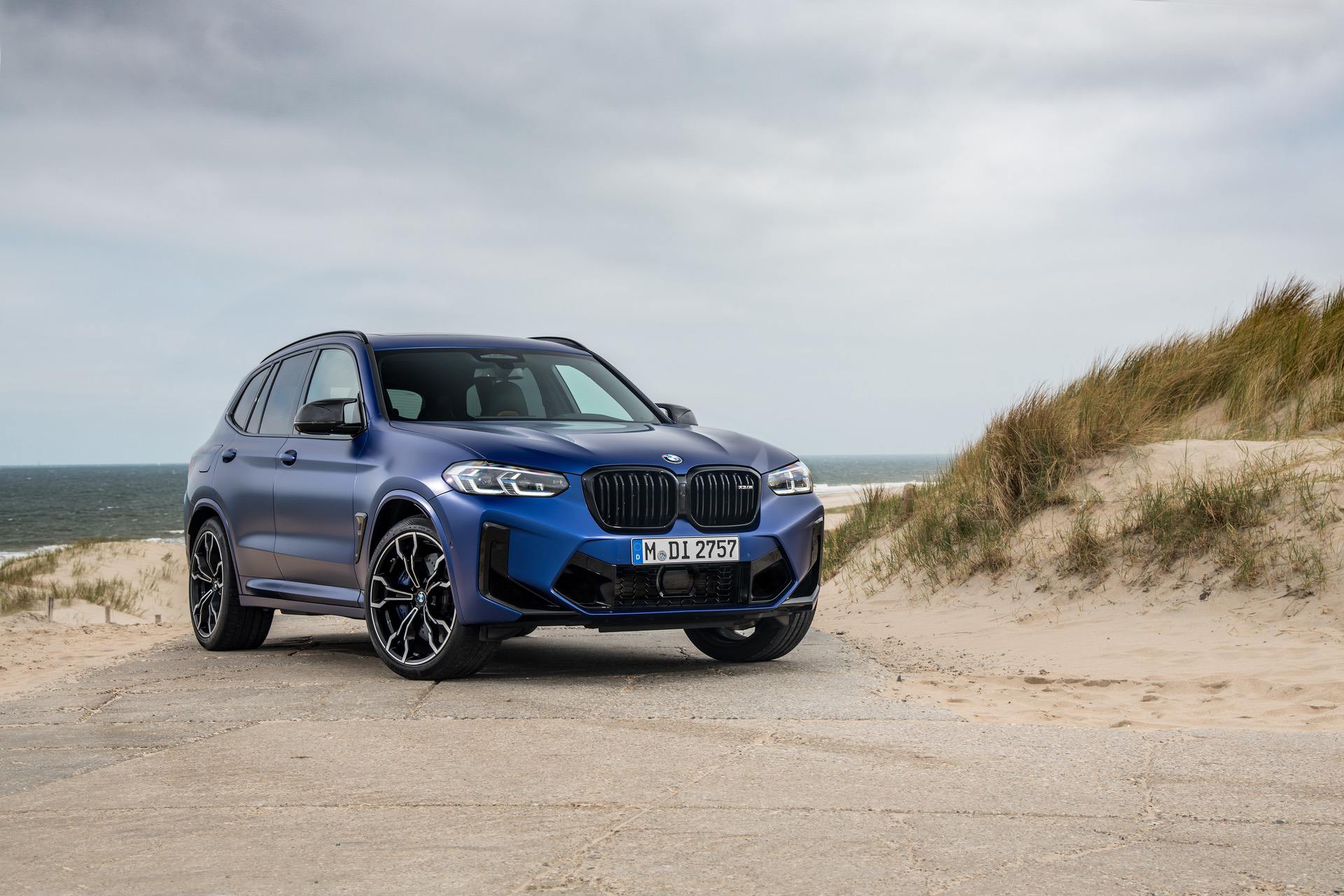
The BMW X3 M effectively ties the X1 at 53 percent. Which is befuddling, as the two SUVs could hardly be more different. Whereas the X1 offers approachability, the X3 M dials everything way up — from performance to price. But there are some good reasons the X3 M should hold value. For one, being an M car, it is relatively rare and low production. That becomes doubly true when you consider the X3 M has only had one generation, the G01, and so far does not have a successor. Great condition, low-mile examples likely skew things in favor of the X3 M here, as collectors are probably still willing to pay top dollar for pristine examples. Call it a little bit of the “future classic” effect. That holds less true for BMWs without the M badge.
3. BMW X2 — 52.4%

The BMW X2 ranks third among BMW SUVs, retaining 52.4% of its value after five years. That is a strong showing for a model that has never been universally loved. Part of the X2’s advantage likely comes from its positioning. It is smaller, less expensive, and more style-focused than the X3 or X5. It also gives used buyers something a little more distinctive than the X1 without forcing them into the higher running costs of a larger BMW SUV. In that sense, the X2 benefits from being a relatively low-risk way into something with a bit more visual personality. The original X2 was always more of a niche play than a volume hero, but niche appeal can help resale value when the price is right. It is not the most practical BMW SUV, nor the most luxurious, but it has enough identity to stand apart in a crowded used-crossover market.
4. BMW X4 M — 51.0%
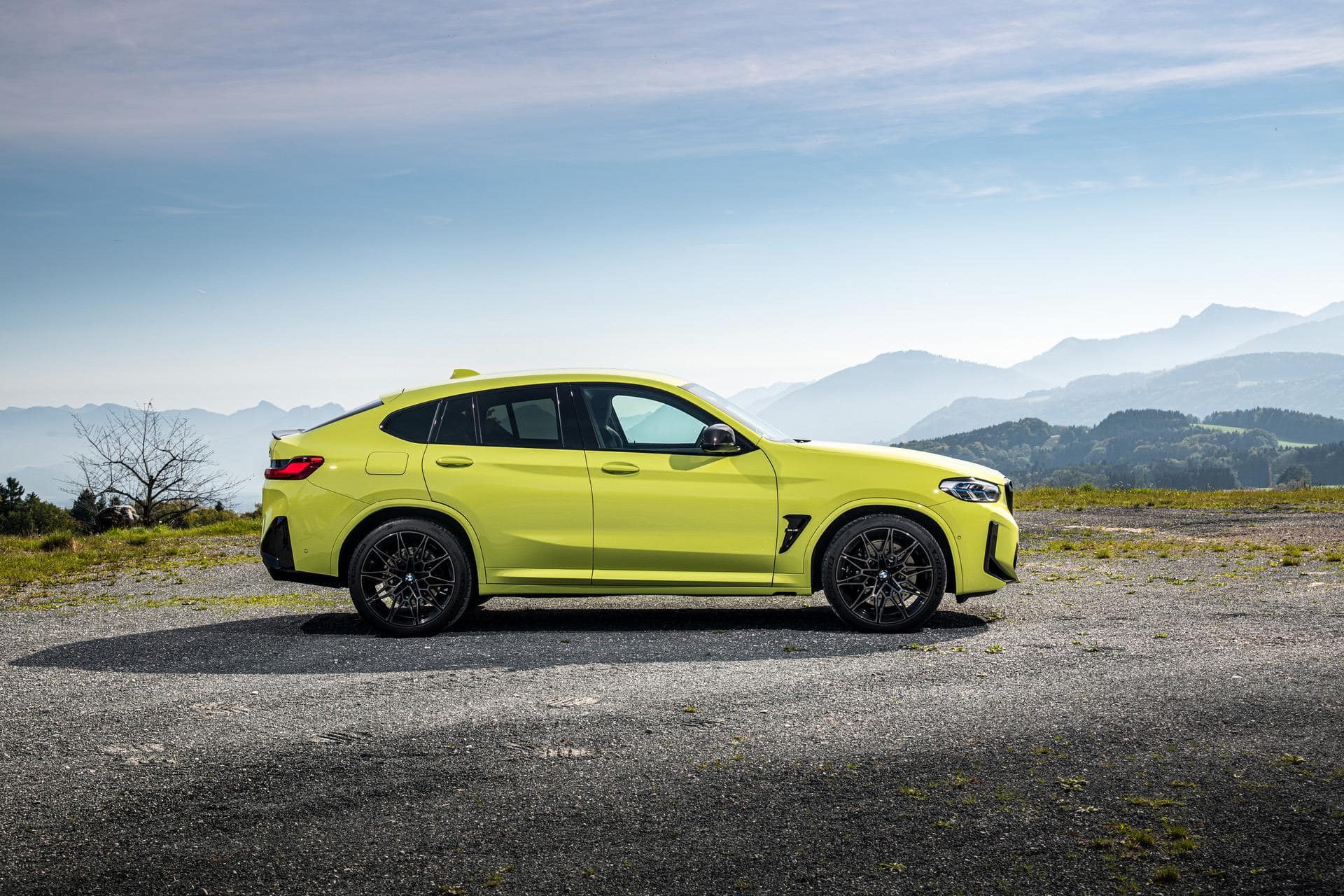
The BMW X4 M comes in fourth, retaining 51.0% of its value after five years. Like the X3 M, it benefits from serious M hardware and relatively low production volume, but it wraps that performance in a more polarizing coupe-SUV body style. That shape is probably both the reason it works and the reason it does not rank higher. The X4 M gives buyers the same performance proposition as the X3 M, including S58 power and proper M-tuned hardware, but with a more dramatic roofline and less rear cargo flexibility. For shoppers who like the look, that makes it more special. For everyone else, the X3 M is the easier answer. Still, the X4 M’s resale performance shows that there is real demand for performance SUVs with a more expressive design.
5. BMW X4 — 50.6%
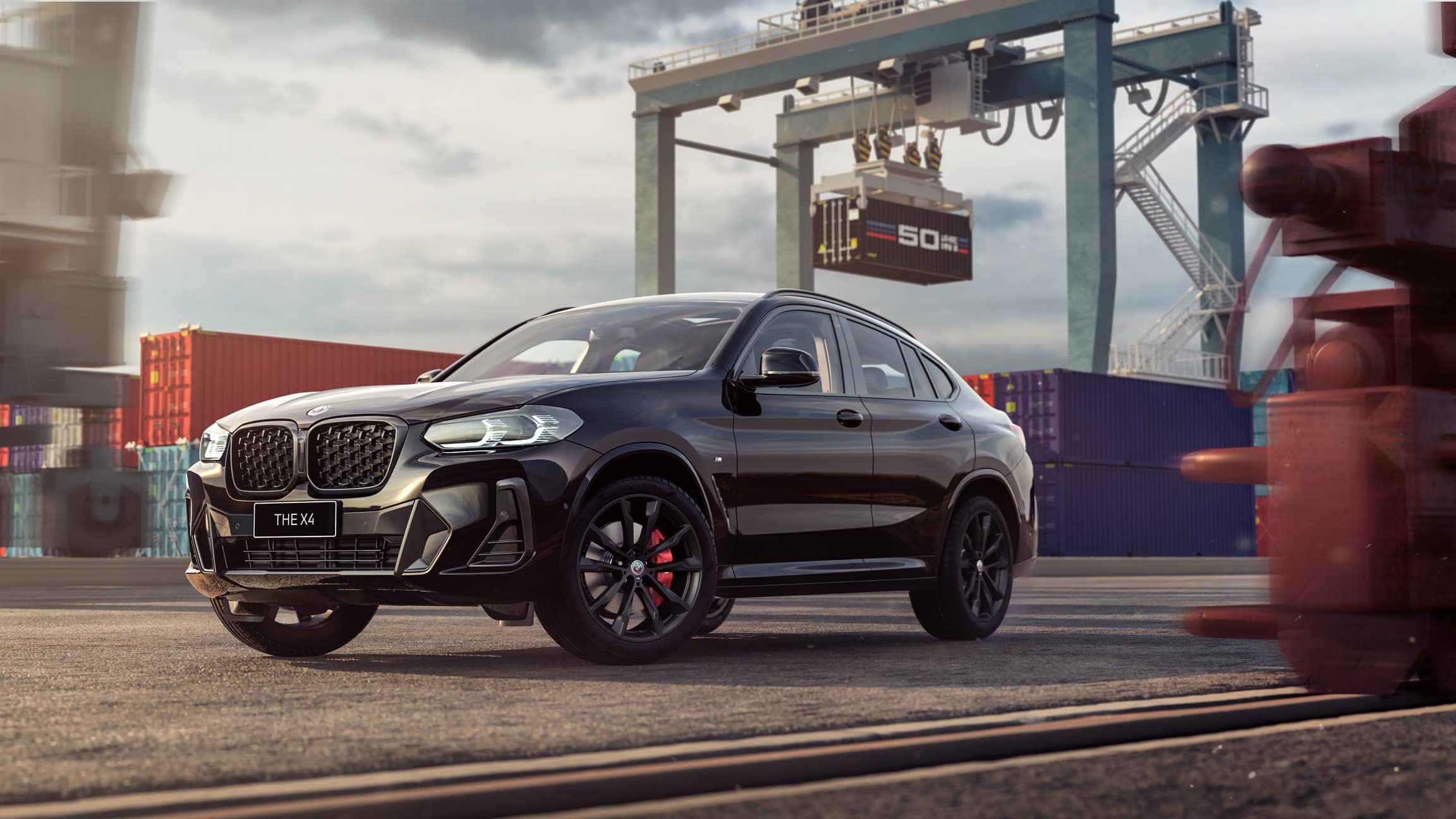
The regular BMW X4 rounds out the top five, retaining 50.6% of its value after five years. That puts it just ahead of the regular X3 (50.4%) in iSeeCars’ 2026 BMW resale ranking, which is surprising given the X3’s broader appeal and more practical packaging. The X4’s advantage likely comes down to style and relative scarcity. It is not as useful as the X3, but it feels more distinctive. Used buyers shopping for one probably want the coupe-SUV look specifically, and that kind of self-selecting audience can help keep resale values firmer than expected. Fans of the X4’s design will be happy to know that an electric model should start production in late 2027.
What the List Tells Us
The story remains the same no matter where you look in the lineup. As with BMW M cars resale value, the strongest BMW SUV residuals in 2026 mostly belong to smaller models. BMWs with a clear identity seem to perform the best in these rankings, too.
The X1 leads because it is affordable and useful. The X2 and X4 show that style-focused SUVs can hold value when they occupy a clear niche. Meanwhile, the X3 M and X4 M prove that performance still matters, even in SUV form. Arguably the biggest surprise is the X3 being out of the top 5; elsewhere, the X5 only retains 46.9% of its value after five years. Just as surprising? The fact that the X1 is the only SUV with good enough value retention to crack the top 10 BMWs with best resale value overall. You perhaps would expect BMW’s volume-sellers to hold more value. However, the data suggests that higher prices, greater complexity, and heavier depreciation are harder to overcome on the secondhand market.
Source: iSeeCars