Article Summary
- The F06/F12/F13 design traces directly back to the 2007 BMW CS Concept — a show car killed by the financial crisis that was simply too good to waste.
- Designer Karim Habib is the largely uncredited mind behind both the CS Concept and the 6 Series that followed it.
- With values now well off their original asking prices, the F-generation 6 Series might be the best-looking used car bargain on the market right now.
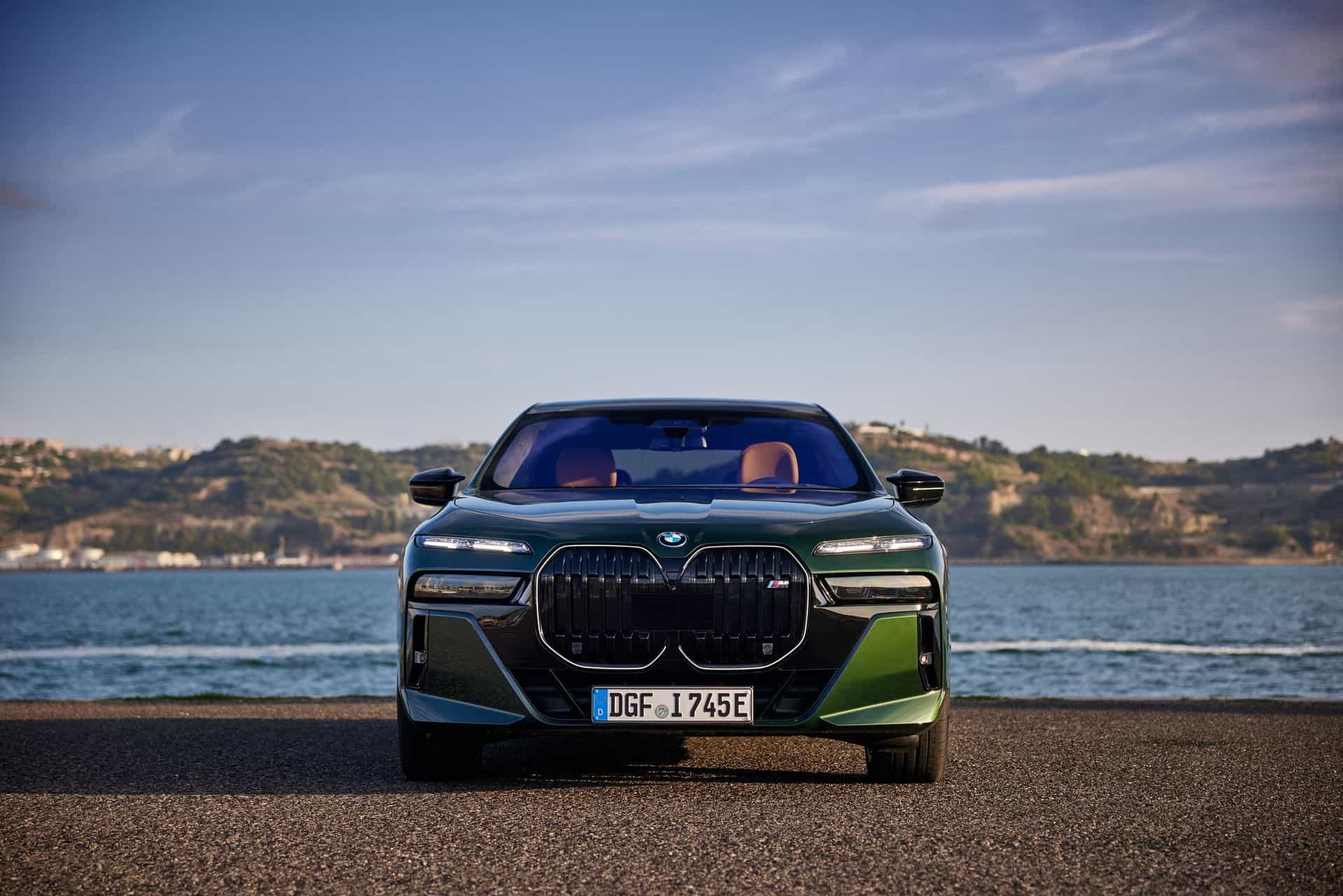
Go back to the Geneva Motor Show in March 2011. BMW is showing the new 6 Series coupe — the F13 — and if you were following the brand closely at the time, you’d have recognized what you were looking at: BMW getting its design confidence back. The Bangle era had split opinion sharply, and the hedging that followed didn’t help matters. The cars BMW made in the late 2000s were fine. Competent. But safe. None of which are words you want applied to a car that’s supposed to make you feel something. The F13 was long, low, and muscular, and it looked like it had been drawn by someone who was actually enjoying themselves.
More than a decade later, with the 6 Series nameplate retired and absorbed awkwardly into the 8 Series family, the F06/F12/F13 generation looks better than ever. One of the cleaner design high-water marks in recent BMW history, it was ambitious, cohesive, and — rare for the era — not obviously trying too hard.
From concept to reality: the BMW CS Concept that started it all

To understand why the F-generation 6 Series looks the way it does, you have to go back to 2007 and the Shanghai Auto Show, where BMW unveiled one of its most striking concept cars in decades: the BMW Concept CS. The one-off was the work of Karim Habib, a Lebanese-Canadian designer who had already left his mark on the E60 5 Series interior and the F01 7 Series body. With the Concept CS, Habib got to imagine something without many constraints — a long, low four-door luxury coupe that would sit above the 7 Series in terms of sheer presence. BMW’s vision of a grand touring flagship. Something that would compete not just with a Mercedes S-Class Coupe, but with the idea of a dream car.
It was jaw-dropping. Long hood, low roofline, muscular haunches, a taut beltline that rose toward the rear. The kidney grilles were rendered large and upright, flanked by slim, sharp headlights. The whole thing said *occasion*. The kind of car you might sketch if someone told you to draw the most beautiful four-door coupe you could imagine, budget and engineering be damned.
The problem was timing. The 2008 financial crisis killed the CS Concept before it could reach production. BMW shelved the range-topping road car and the dream appeared to die. But Habib’s design study was too good to abandon entirely. Its DNA — those proportions, that stance, that coiled-up sense of purpose — was quietly channeled into the next 6 Series. The F12 and F13 carried the spirit of the two-door concept forward, while the F06 Gran Coupe eventually made the four-door vision a reality for people who actually had keys to one.
Three body styles, one vision
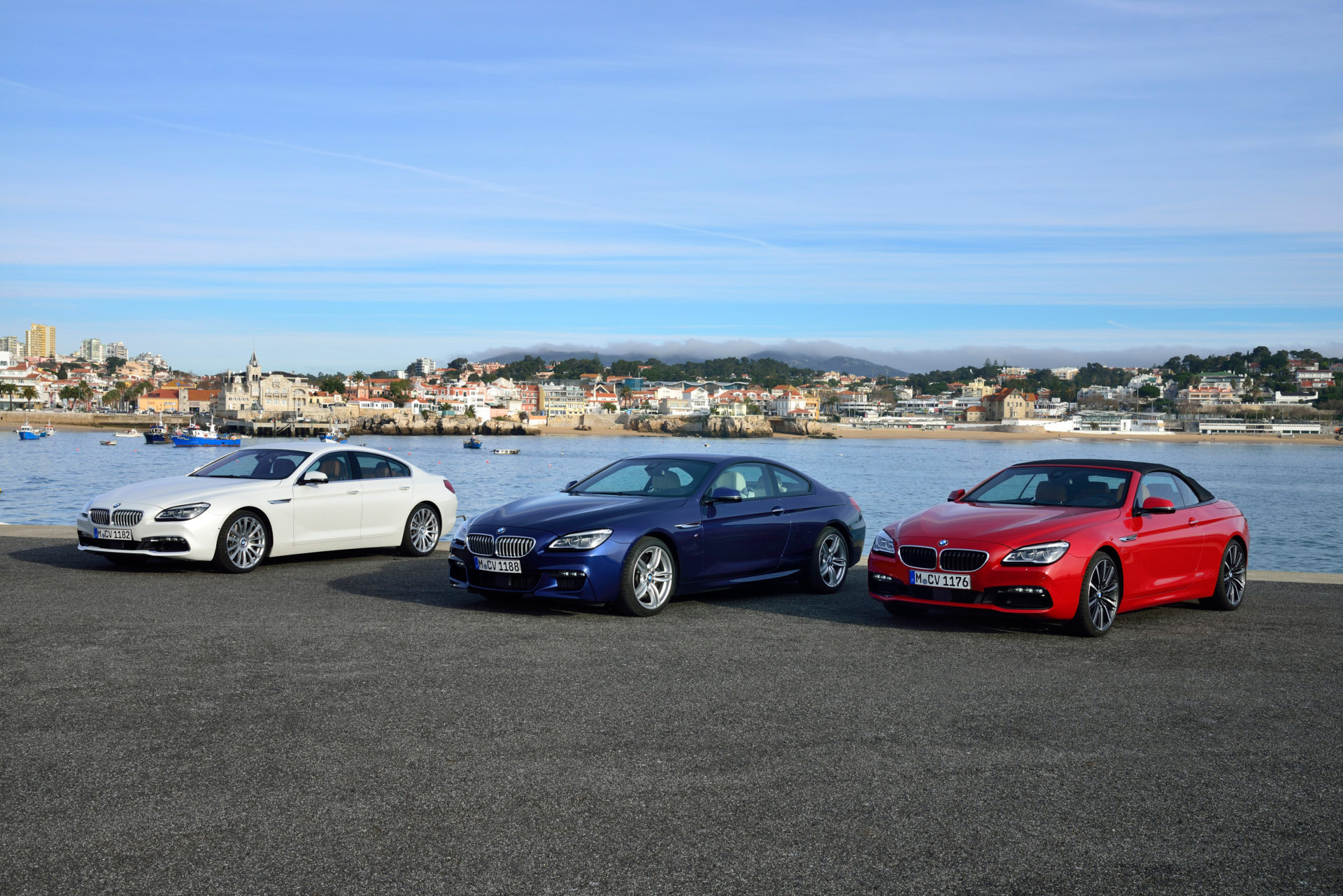
BMW executed three fundamentally different body styles here without any of them feeling like a compromise — and that’s harder than it sounds. Each brought something different to the table, yet all three were immediately recognizable as the same car.
The F13 coupe — the purist’s choice
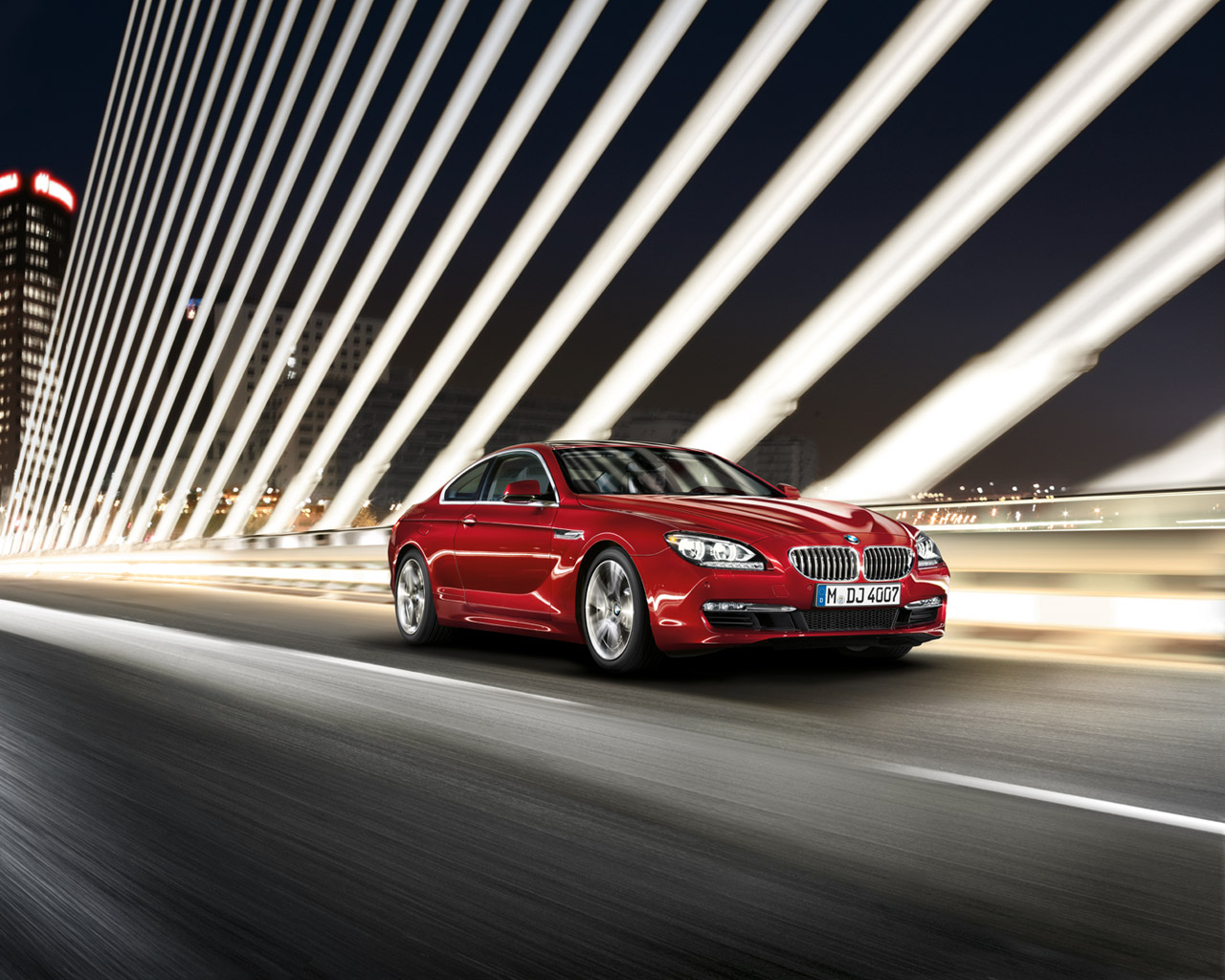
The F13 coupe is where it all started, and for many enthusiasts it’s still the definitive expression of the generation. Two doors, a low roofline, and those sweeping rear haunches give it proportions that feel automotive in the old-fashioned sense. This is a car whose shape is its identity. The silhouette is near-perfect: long front overhang, cab set well back, a roofline that peaks just behind the B-pillar and flows toward the tail. The Hofmeister kink is beautifully executed, and the wide stance gives the car a planted, powerful look even when it’s parked doing nothing at all.
Park one next to almost anything else from the same era and it just looks better. It has that quality that’s almost impossible to engineer deliberately: timelessness.
The F12 convertible — glamour, unfiltered
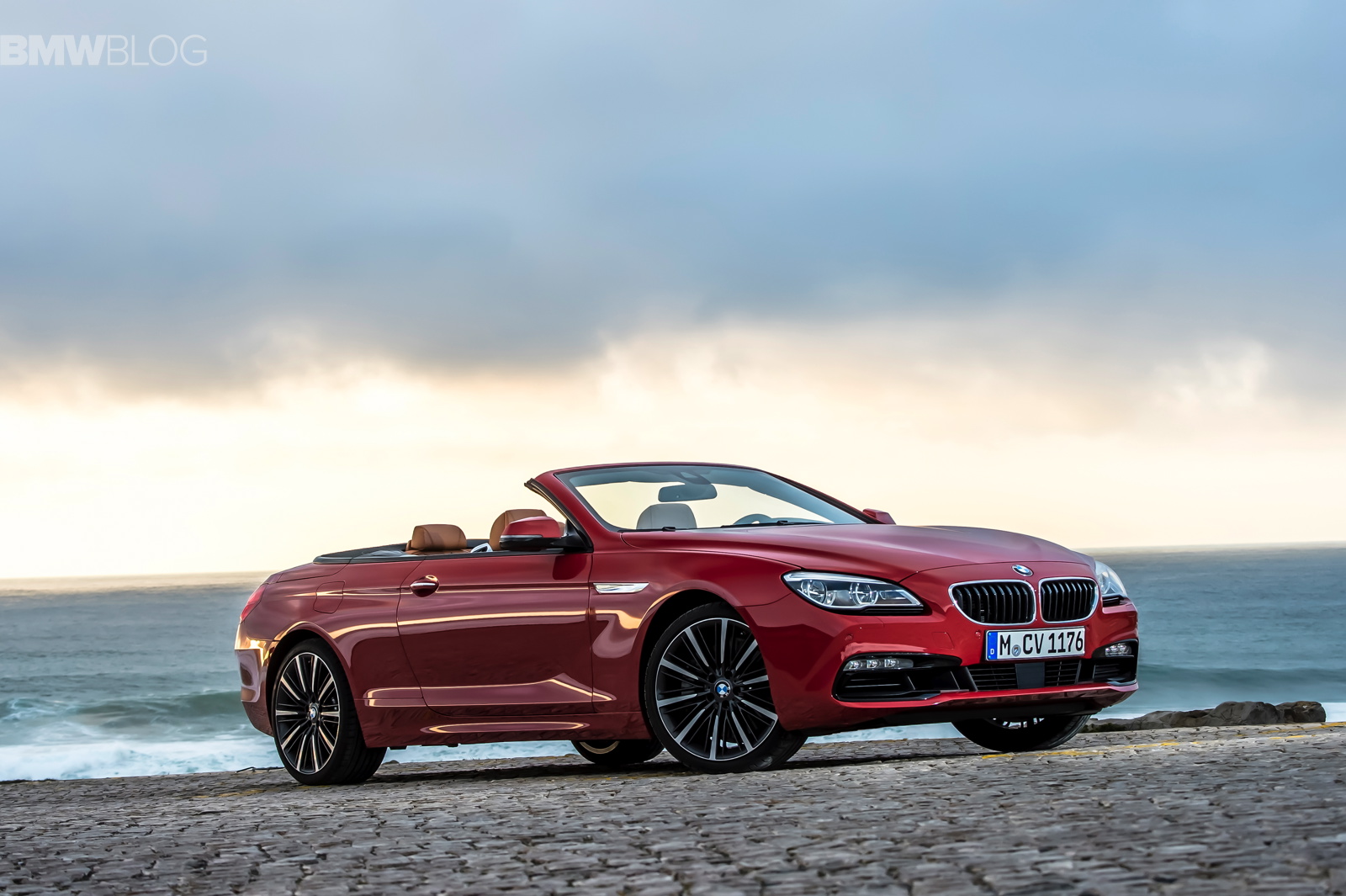
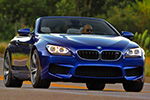
If the coupe is the purist’s car, the F12 convertible is unapologetically about beautiful design. BMW’s engineers fitted a folding soft top that stows in about 19 seconds at speeds up to 25 mph, which means the F12 keeps clean, coupe-like lines when closed while opening up into something glamorous with the roof down. You lose a little of the coupe’s structural rigidity feel, as you do with any open-top car. Add a 4.4-liter twin-turbo V8 up front, and this convertible is a proper gran tourer.
The F12 also proved that a four-seat convertible didn’t have to look like an afterthought. With the top up, it’s nearly indistinguishable from the coupe in profile. With it down, it belongs in a different conversation entirely — one of the most beautiful open-top cars of its decade.
The F06 Gran Coupe — the CS Concept made real

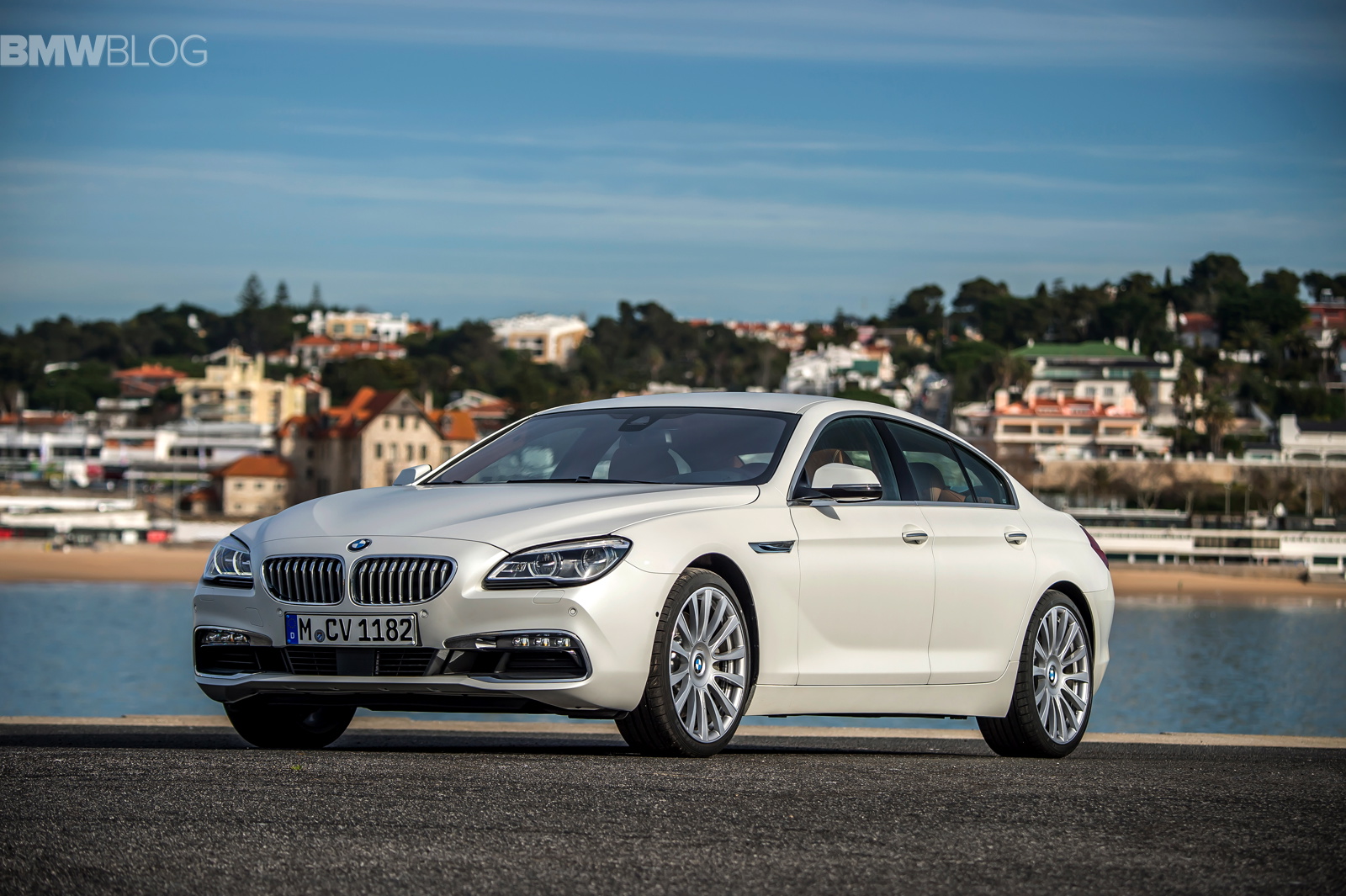
The F06 Gran Coupe arrived a year after the coupe and convertible at the 2012 Geneva Motor Show, and it’s arguably the most significant of the three from a design-history standpoint. This is the car that finally delivered on the 2007 CS Concept’s promise: a four-door gran turismo with real coupe proportions.
BMW had gestured in that direction before with the E63/E64 generation, but the F06 was more ambitious and more resolved. It’s a big car — longer than a 7 Series of the same era — yet it wears its size with surprising grace. The rear doors are actually useable, the roofline doesn’t look compromised, and the rear end, with its low wide stance and distinctive taillights, is one of the most coherent things BMW has penned for a four-door car.
The Gran Coupe also made the 6 Series practical in a way the coupe and convertible never were. Here was a car you could take the family on a weekend road trip without anyone grumbling about the rear headroom. It opened the model to a much wider audience without giving anything away aesthetically.
The interior: a proper driver’s cabin

The F-generation 6 Series interior was another strong point. The cockpit leans toward the driver — controls are noticeably angled toward the helm rather than split evenly between occupants — while still offering enough genuine luxury to satisfy the grand touring brief.
Materials were good throughout. Proper leather on the major surfaces, real metal and wood trim options that felt like they belonged in a luxury car rather than an approximation of one. The seats proved comfortable on journeys that lasted far longer than the performance figures might suggest. The sport seats offered a combination of lateral support and long-distance comfort that most dedicated sports cars don’t manage.
The iDrive system had matured significantly by this point, and the 6 Series got a version that was actually intuitive to use — not something owners of early iDrive could have predicted.
A design that keeps getting better
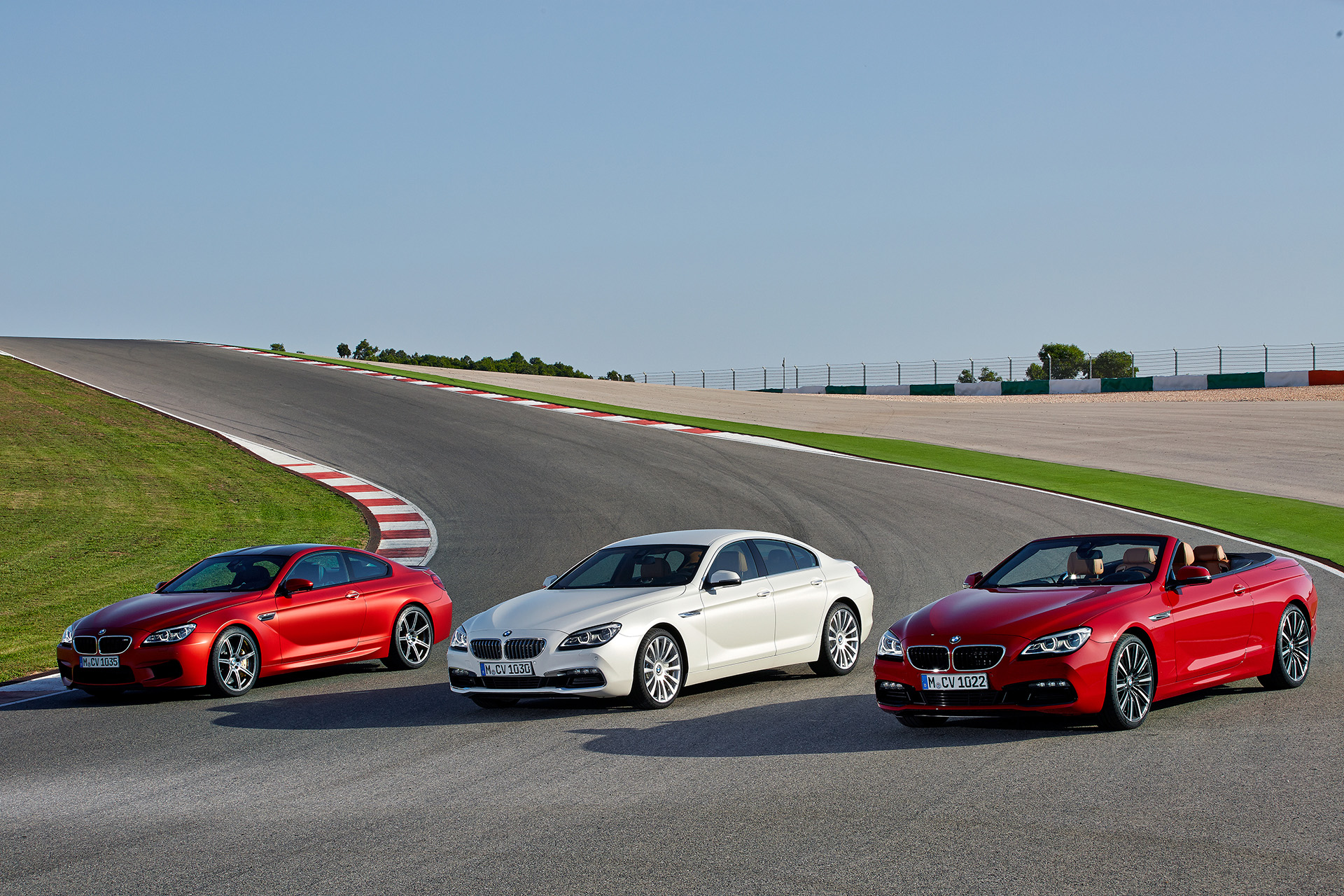
Good automotive design improves with age. The F-generation 6 Series is a clean example of this. When new, surrounded by other cars on dealer lots, it looked good. Now, with used examples available for a fraction of their original asking prices and surrounded by a new generation of BMWs whose design direction is considerably more divisive, the F-generation looks exceptional. The kidney grilles are appropriately sized. The surfaces are clean and taut without being fussy. Nothing looks like it was added by committee or tested to death in a focus group.
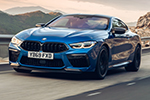
Compare it to what came after — the G-generation 8 Series that replaced it — and the 6 Series arguably wins. The 8 Series is a fine car in many respects, but it lacks the ease of the 6. It looks like it’s working at being dramatic. The 6 Series never looked like it was working at anything.
The 2015 LCI facelift was well-judged: updated headlights with full LED units, revised taillights, a larger iDrive controller, and better infotainment. BMW understood that the design was strong enough to need only gentle evolution. They were right.