Article Summary
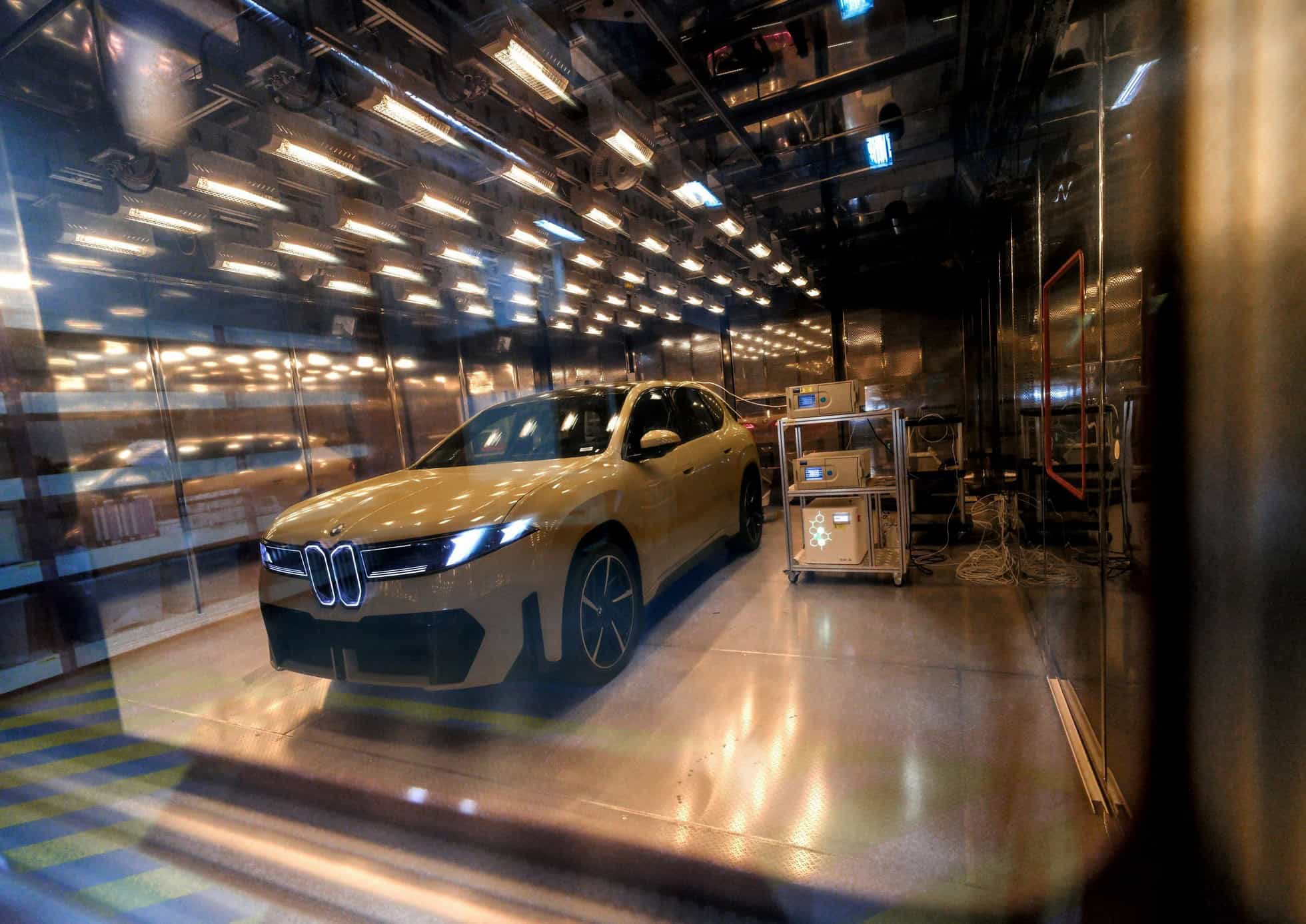
- BMW has had an odor laboratory in Munich since 1999 and opened a second facility in Shenyang, China, in 2014.
- The automaker's “nose team” evaluates interior materials for unpleasant smells, while engineers test emissions from plastics, fabrics, adhesives, and other components.
- The new iX3 takes cabin air quality to the next level with advanced filtration and intelligent air management.
BMW has spent more than 25 years figuring out how its cars should smell, and the German automaker takes the subject seriously. Its so-called “nose team” works alongside specialized laboratories to evaluate interior materials, detect unpleasant odors, and help ensure occupants breathe cleaner air. Now, that expertise is finding its way into the Neue Klasse lineup, starting with China’s long-wheelbase iX3.
It might sound like an unusual job, but cabin air quality involves more than installing a good filter and calling it a day. Materials throughout a car’s interior can release volatile organic compounds (VOCs), aldehydes, and other substances that affect both air quality and smell. BMW wants to address those concerns before the materials even reach a production vehicle.
The company has been working on the problem for decades. It opened an odor laboratory in Munich in 1999 and established a second facility in Shenyang, China, in 2014. Together, the two labs form a network that combines global development expertise with local testing. Findings from China also contribute to BMW’s worldwide product development.

BMW’s Nose Team Puts Interiors To The Test
Instruments can measure emissions, but BMW also relies on trained specialists to assess how materials actually smell. The nose team evaluates samples from different interior components, helping engineers distinguish between materials that might meet the same technical requirements but deliver very different sensory experiences.
The testing covers everything from leather, fabrics, and plastics to adhesives and other materials used inside the cabin. BMW says its latest automotive-grade microfiber materials can reduce emissions of VOCs, aldehydes, and fogging substances. They also avoid animal-derived proteins, which can contribute to unwanted odors as natural leather ages.
The automaker is also paying attention to smaller details. Some speaker grilles in Neue Klasse vehicles replace plastic with steel, reducing plastic use in those components while giving them a more premium look and feel. That’s a win-win in our book.
Mind you, BMW doesn’t rely on a single sniff test before approving an interior. Instead, it uses a three-stage validation process that covers materials, individual components, and the complete vehicle.


First, engineers evaluate individual materials for emissions and odors. Next, they test larger components, including seats, dashboards, door panels, and headliners. Finally, BMW assesses the complete vehicle to understand how different materials and interior configurations interact.
That last step matters because a cabin isn’t simply the sum of its individual parts. Materials that perform well in isolation can smell different when combined, especially as temperatures rise.
BMW’s approach also extends beyond the initial development phase. By drawing on its laboratories in Germany and China, the company aims to maintain consistent standards across markets while incorporating local expertise into its global development process.

The New BMW iX3 Takes Air Quality Further
The second-generation iX3 brings several of these elements together. Alongside low-emission interior materials, it features a Nano Filter system that filters incoming air in multiple stages.
The SUV also takes a more proactive approach to air management. When the system detects conditions such as tunnels or congested roads, it can adjust the air-recirculation mode to reduce the amount of polluted outside air entering the cabin. Drivers can also check air-quality index information, while automatic ventilation when parked and a pre-entry air-refresh function help prepare the cabin before a journey begins.
BMW describes this as a shift from passive filtration to active air management. Rather than simply cleaning air after it enters the vehicle, the system can respond to changing conditions and help limit exposure in the first place.

China Is Helping BMW Make Its Interiors Cleaner
China has played a significant role in developing these solutions. BMW says methods and innovations developed for Chinese customers are increasingly feeding into global vehicle programs, supported by cooperation with local suppliers, research institutions, and testing organizations.
The Neue Klasse iX3 is therefore about more than a new electric platform, fresh styling, and next-generation infotainment. BMW is also using it to show how much work goes into the parts of a car that drivers rarely think about.
And while you probably won’t find the “nose team” among the usual reasons to buy a BMW, their work could make a difference every time you get in. After all, premium quality isn’t just about what you see, touch, or hear. Sometimes, it’s about what you don’t smell.