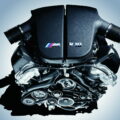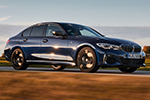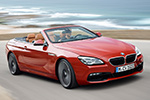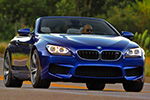
Ever since the European Union announced it would ban sales of new cars with combustion engines from 2035, BMW has strongly opposed the drastic decision. In nearly every interview, outgoing CEO Oliver Zipse has voiced concern that an all-EV shift would disrupt Europe’s automotive industry.
In addition to warning about what would inevitably be massive job cuts, Munich’s head honcho argues there’s another reason it’s premature to end sales of new ICE vehicles. BMW is adamant that Europeans won’t be ready to uniformly embrace EVs by the middle of the next decade. Electric cars remain more expensive than comparable gas models, and the charging infrastructure still leaves much to be desired in parts of the continent.
Faced with mounting criticism, the EU appears to be listening. The Times reports that the highly controversial deadline will be pushed back by five years, meaning automakers will still be allowed to sell combustion-engine vehicles until December 31, 2039. The British newspaper cites multiple sources claiming the cutoff will be delayed from the original 2035 target.
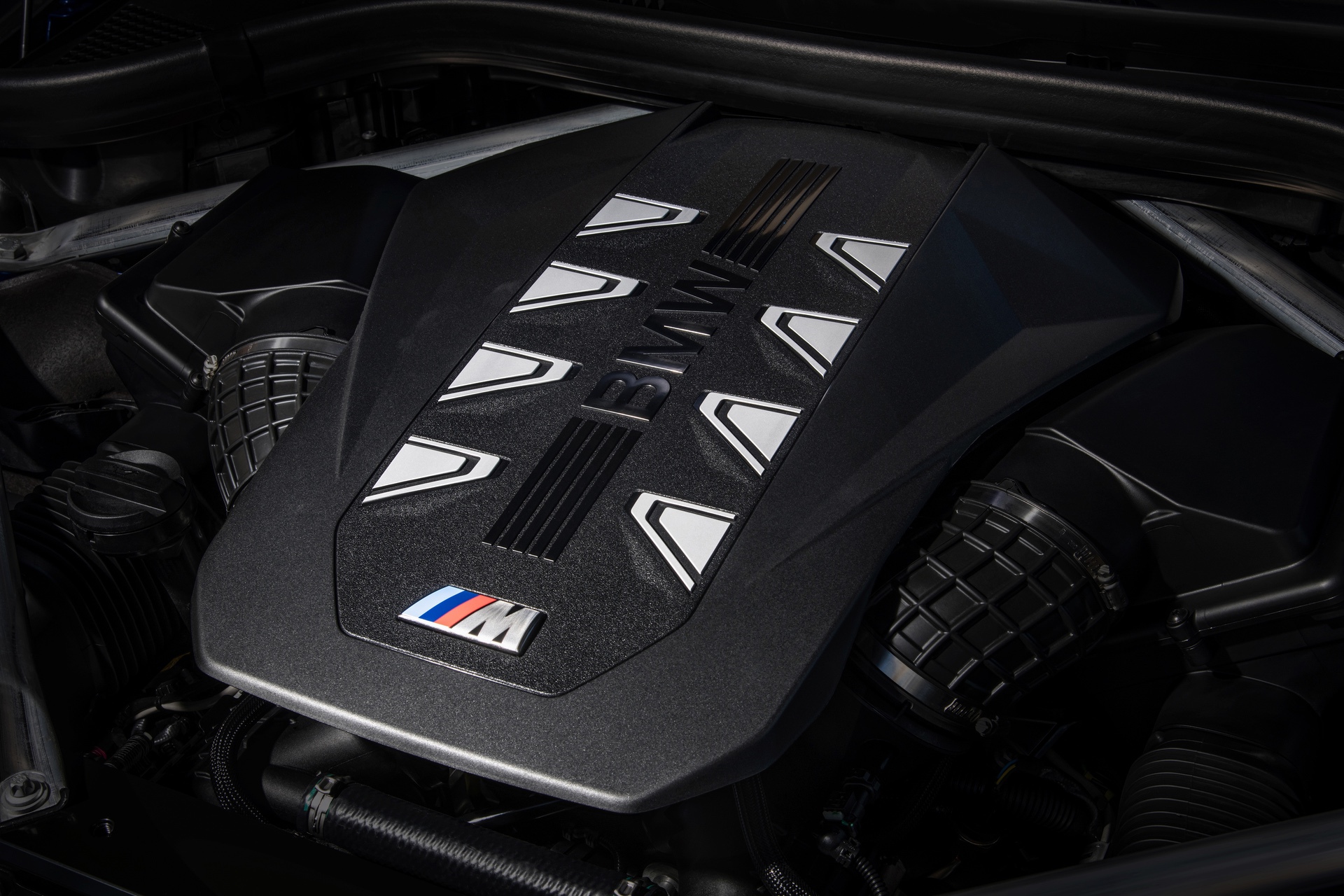
More clarity on the ban is expected next week. Although the European Commission has refused to comment, it confirmed that details about the updated regulations will be disclosed on December 16. It’s believed plug-in hybrids will continue beyond 2035, alongside cars powered by carbon-neutral fuels.
The current proposal doesn’t explicitly ban sales of new combustion-engine cars, but its requirement for zero-emissions vehicles effectively amounts to the same thing. As things stand, automakers would be allowed to sell only EVs in Europe starting January 1, 2035. It’s increasingly likely that the ban will be either delayed or softened.
With few exceptions, such as Geely’s Volvo and Polestar, most automakers oppose having the cutoff just nine years away. BMW’s rival Mercedes has also been outspoken, arguing that sticking with the initial proposal would do more harm than good. Instead, it’s calling for greater flexibility by giving buyers more options.
Regardless of whether the date is 2035 or 2040, the ban won’t apply to cars that are already on the road. Europeans will still be able to drive their gasoline and diesel vehicles and buy used combustion-powered models. In other words, the EU’s proposed ban is limited to new cars.
Source: The Times (subscription required)