Article Summary
- The eighth-generation BMW 3 Series launches this fall strictly with four- and six-cylinder gas engines, all of which have mild-hybrid tech.
- At a later stage next year, a plug-in hybrid will arrive to bridge the gap to the fully electric i3.
- Given the progresses BMW has made with batteries, expect more electric range compared to the G20-based 330e.
The new 3 Series has arrived in electric i3 and combustion-engine 3er forms, though you can’t combine the two. However, that doesn’t mean Munich is abandoning plug-in hybrids just yet. The G50 will eventually get a PHEV, but buyers will have to wait until next year. BMW has confirmed that the eighth-generation 3 Series will continue offering a PHEV powertrain to replace the G20-based 330e.
BMW’s first order of business is to roll out the G50 with four- and six-cylinder gasoline engines, all featuring mild-hybrid technology. As we’ve already revealed, the 3 Series no longer has a diesel engine. The PHEV will join the lineup in 2027, giving customers an option between the combustion-powered 3 Series and the fully electric i3.
Technical specifications remain under wraps, but we can already deduce that it’ll have a four-cylinder engine. BMW has said the M350 xDrive is the only 3 Series flavor with an inline-six. To be honest, we weren’t expecting a six-cylinder PHEV anyway. That likely means an updated version of the B48 2.0-liter turbocharged four-cylinder gasoline engine working with an electric motor and a high-voltage battery.


The New 3 Series PHEV Is Likely To Have A Longer Electric Range

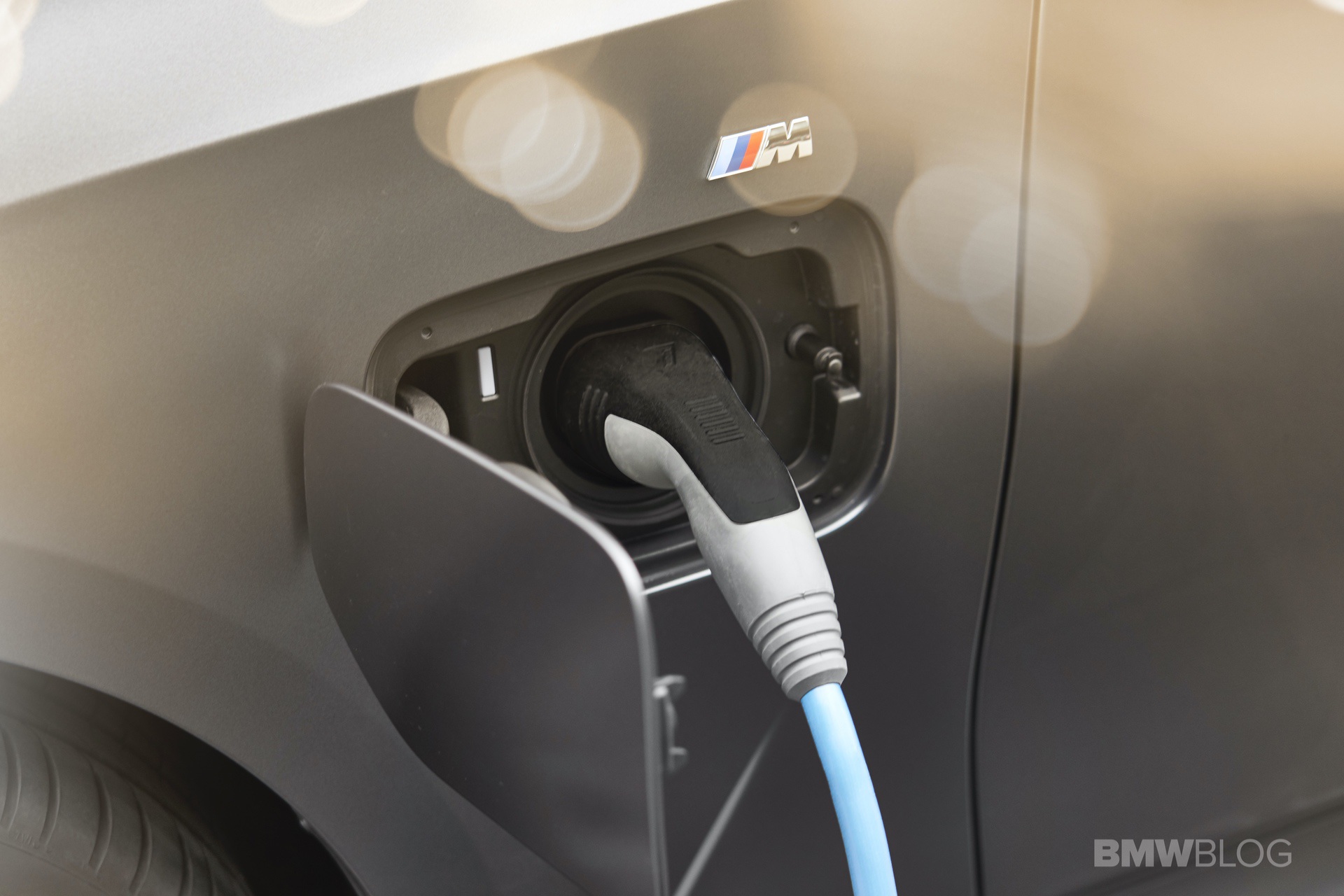
The outgoing 330e gives us a pretty good idea of what the starting point looks like. Its 2.0-liter gasoline engine works with an electric motor and a 19.5-kWh battery, with the rear-wheel-drive sedan offering up to 101 kilometers (63 miles) of electric range under the WLTP cycle. The slightly heavier xDrive version is rated at up to 96 km (60 miles), while the Touring models also dip below the three-figure mark because of their added bulk.
BMW should have plenty of room to improve on those numbers. Battery technology has advanced significantly since the G20 330e launched, while the Neue Klasse brings a host of efficiency improvements that should benefit the combustion-powered models as well. After all, the German luxury automaker sees the 3 Series as a Neue Klasse product, even if it has an engine rather than a front trunk under the hood.
That doesn’t necessarily mean the G50 PHEV will suddenly get an enormous battery. BMW could instead prioritize efficiency and packaging while giving the 3 Series enough electric range to cover most daily driving without firing up the gasoline engine. Still, it’ll likely comfortably go past the 100-kilometer WLTP mark. It’s worth stressing that BMW hasn’t announced the battery capacity or electric range yet, so anything beyond the G20’s numbers remains speculation for now.
PHEVs Are Still Important For BMW
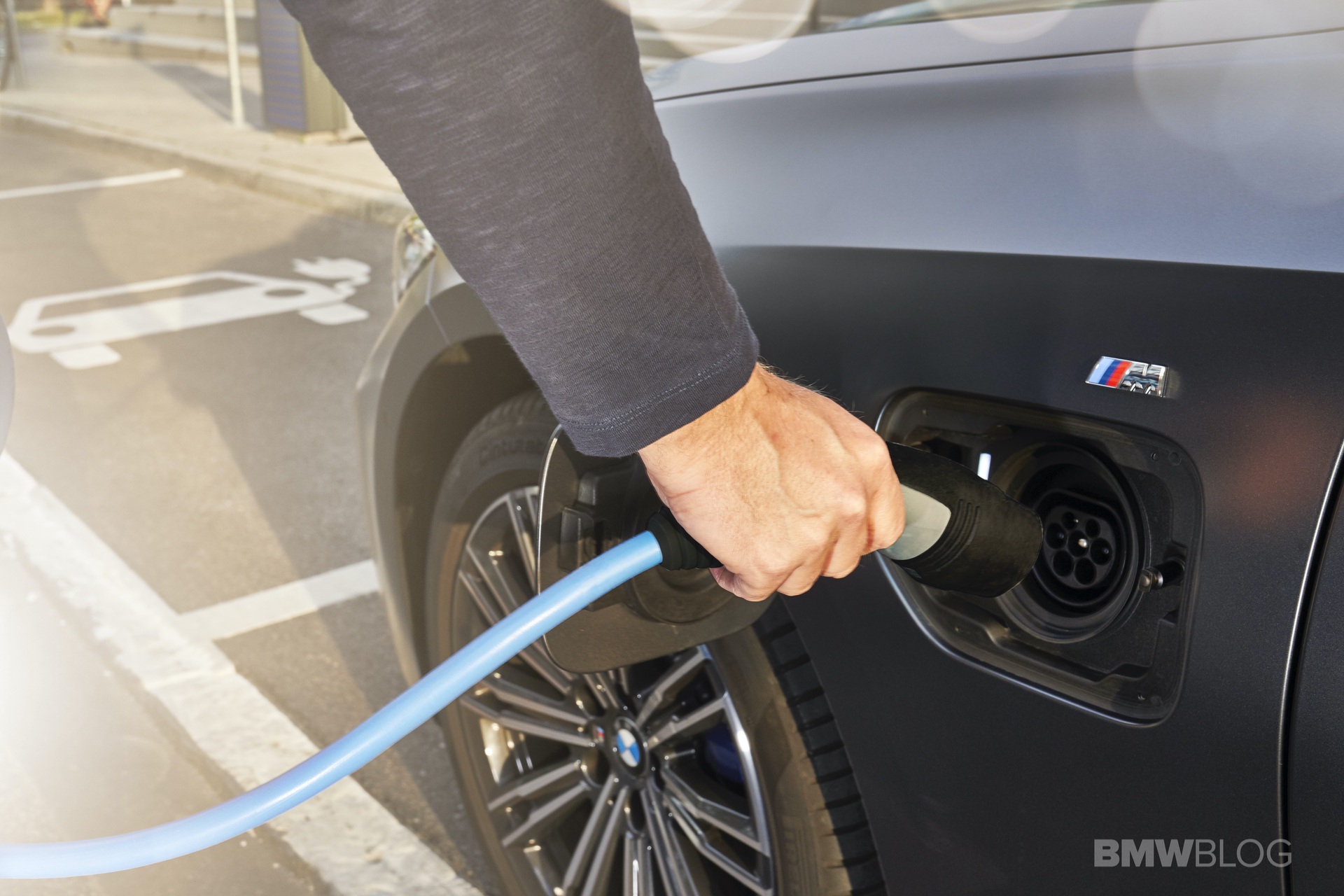
The PHEV also illustrates BMW’s ongoing “Power of Choice” strategy. The company is effectively covering (nearly) all bases with the new 3 Series: traditional combustion engines for those who still want them, a plug-in hybrid for customers who want electric commuting without giving up long-distance flexibility, and the i3 for those ready to go fully electric. Yes, the diesel is dead, but if the next plug-in hybrid is even better than the last one, it might soften the blow of the oil-burner’s demise.
Plug-in hybrids are still a big deal for BMW. In 2025, cars that combined gas engines with an electric motor and a battery pack accounted for 8.1% of total sales. Through the first half of 2026, PHEVs dipped to 7.9%, but they still matter for those unwilling to switch to pure EVs. Even with the i3 covering a whopping 912 kilometers (567 miles) on a single charge, range anxiety could still be an issue in areas where charging infrastructure leaves much to be desired. For those customers, a new 330e (name not confirmed) should fill that void.
For now, BMW has only confirmed the next 3 Series plug-in hybrid for Europe, but availability will likely expand beyond the continent.