The BMW 507 is arguably one of the brand’s most well-known and influential models. At the time, its lightweight V8 engine was a big technical advancement. Even more telling, its pretty proportions served as a canvas even half a century later, functioning as the guiding design underscoring the now equally legendary BMW Z8. Unfortunately, the car missed its mark commercially, and BMW only produced 251 examples before shuttering production. But alongside the 507 existed an even more expensive and luxurious version: the BMW 503.
The BMW 503 At a Glance
In some areas, the BMW 503 shared a lot with the BMW 507. Both cars debuted at the Frankfurt Motor Show in September 1955, and both cars were expensive for the time. Like the 507, the 503 cost much more than anticipated. The former started around DM 26,500 (Deutsche Marks), with the latter launching close to DM 30,000. Adjusted for today, that’s approaching six figures. Both designs originated from Albrecht von Goertz, the man who also worked on legends like the Toyota 2000GT and Nissan Silvia. The cars shared some hardware, too; specifically, the 3.2-liter V8 engine. While the 507’s made 150 horsepower, the 503 — which focused more on luxury and refinement than all-out performance — was stuck with 140 horsepower. Both cars of course, were also spectacular failures, commercially speaking. BMW only managed to move 273 coupes and 139 convertibles, making the 503 only a marginally easier sell than the 507.

Of course, aesthetically and practically, the two cars served different purposes. Whereas the 507 sits just two, the 503 offers a 2+2 configuration. The back seats are probably most useful in convertible guise, which highlights another difference. The 503 was available as a coupe, which the 507 never was. The 503 was a slightly modified 502 sedan chassis underneath. While the 507 was then based on the 503’s chassis, there were major differences. A significantly shorter wheelbase (2,480 mm vs. 2,835 mm, around 13 inches) was made from thicker gauge steel, reportedly to keep chassis flex to a minimum.
The 503 and 507: Shared Success Later in Life
It’s interesting to note that the more expensive 503 actually outsold the 507. Albeit, not enough for the car to be profitable. The 507’s problems in the marketplace are fairly straightforward: the car, while beautiful, simply didn’t perform as well as its price tag and looks suggested. Remember, that car launched with the U.S. market squarely in its sights, an area of the world already accustomed to V8 power. On the other hand, the 503’s even higher price and luxury focus meant it was intentionally out of reach for the mainstream buyer. Doubly so when you consider BMW had nearly zero representation in the United States. The car’s high price had scared off one its biggest advocates, Max Hoffman. Unfortunately, he was also the primary distributor for BMW Stateside. Even if the 503 had been perfect, it would be hard to convince buyers to trade in the security of established dealerships and service centers that U.S.-based luxury brands provided.
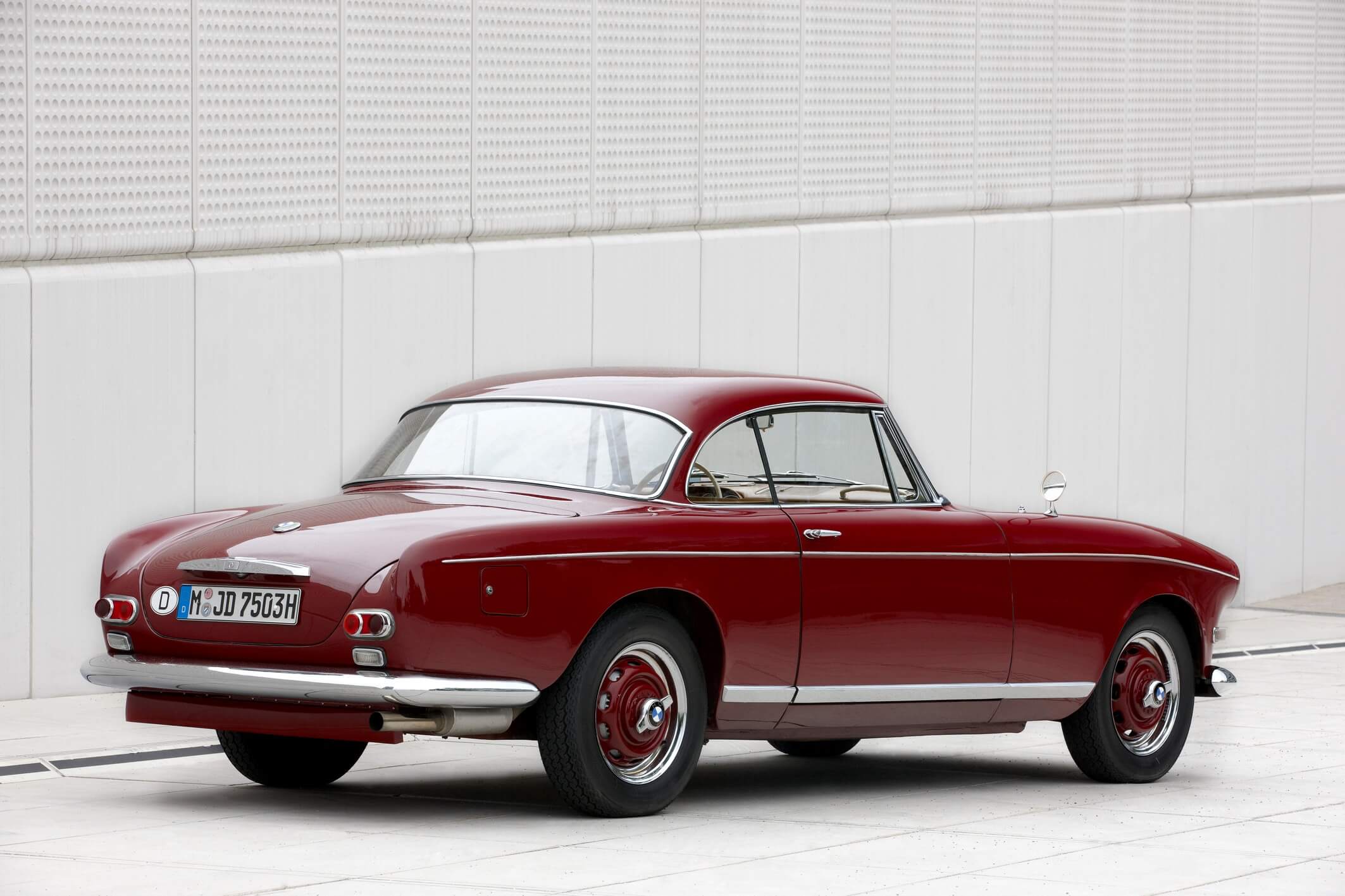
Despite the car outselling the 507, the BMW 503 mostly lives in that car’s shadow. It’s still one of the rarest BMWs out there today. But auction prices reflect the car’s stature relative to the 507. While the best and rarest of the bunch might scrape half a million U.S. dollars, almost all 507s transact well past the one million mark. In either case, both cars went from commercial flop to auction superstars — a trajectory not at all uncommon or unique to the BMW brand. Makes you wonder where prices for some of today’s cars might end up in a few decades.