Article Summary
- MINI delivered 149,538 vehicles globally in the first half of 2026, up 11.7 percent, but the growth is European while US sales fell 6 percent and the Cooper hatchback dropped 31 percent in Q1.
- Selling MINI isn't realistic, because the brand's front-drive architecture and CO2 contribution are woven into BMW's own compact lineup, including the X1, X2, 1 Series, and 2 Series Gran Coupe.
- Three moves would justify what MINI costs to build: rear-drive Neue Klasse hardware, a proper rugged Countryman variant, and the halo sports car BMW nearly greenlit with the 2014 Superleggera.
MINI is still growing. BMW Group reported 149,538 MINI deliveries worldwide in the first half of 2026, up 11.7 percent year over year, and as we covered in May, Q1 alone was 68,503 units, a sixth straight quarter of growth. Every time the group’s margins come under pressure, people bring up the future of the brand, like Autocar did recently.
We’ll say the obvious part first: MINI has spent 25 years absorbing BMW engineering, BMW platforms, and BMW money, and untangling it would cost more than keeping it. The value of the badge on its own is still higher than it was in 2010, even after adjusted just for inflation. So don’t sell that, instead you decide what to do with it to keep it successful.
So: what is MINI actually for in 2026, and does the answer justify the next round of model investment?
The Segment MINI Was Built For Got Smaller
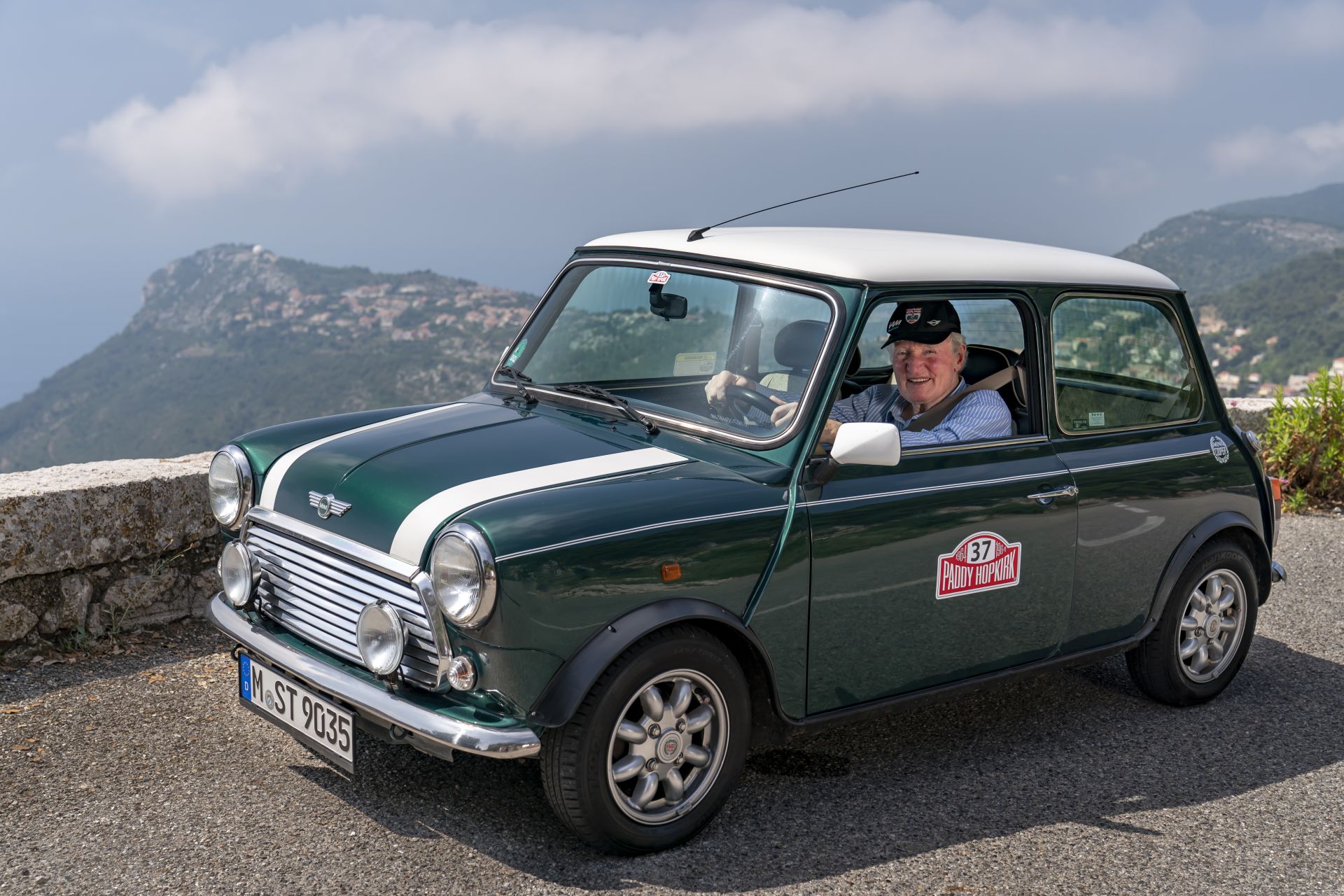
The premium B-segment hatchback is not the business it was in 2003. Audi walked away from the A1 entirely. Buyers who would once have cross-shopped a Cooper S now want something with a raised hip point and a hatch they can throw a dog into.
The American numbers make the shift obvious. BMW of North America’s Q1 2026 figures put the Cooper 2 Door at 1,153 units, down 31.0%, and the 4 Door at 1,073, down 16.8%. MINI USA then sold 7,456 vehicles in Q2, a 2.1% dip, closing the half at 13,717 units against 14,592 a year earlier. The hatchbacks are carrying the losses while the Countryman holds the line. That is the reverse of how this brand was supposed to work, and it has been true for long enough now that calling it a transition phase is wishful thinking.
So MINI can survive on crossovers. The question is whether a brand built on a 10-foot front-drive hatchback should want to.
MINI Costs BMW Less Than The Headlines Suggest

The loss-making framing skips what MINI does for the group on the accounting side. Every MINI sold is a low-emission or zero-emission car in BMW’s European fleet average, and electrified models made up a large share of the brand’s first-half volume. That does two jobs at once: it helps the CO2 math and it helps with costs, because batteries are still expensive, unless scale.
Then there’s the hardware. MINI’s front-drive architecture is shared with the X1, the X2, the 1 Series, and the 2 Series Gran Coupe, and the Countryman comes out of Leipzig on the same lines as the X1 and X2. Development cost, tooling, supplier contracts, and plant utilization all get spread across both brands. Kill MINI and those costs don’t disappear, they land entirely on BMW’s compact models, on a smaller volume base, in the exact segment where BMW’s own margins are thinnest. The brand that looks like a cost problem is also the thing keeping a chunk of BMW’s compact business viable.
But The Volume Has To Pay For The Next Cars

Just like with BMW sales, MINI faces a similar problem: some markets are historically stronger than others carrying the torch. For example, the recent growth came from Europe, not the United States, where the brand finished the half down 6%. The group picture is worse: BMW Group deliveries fell 4.2 percent to roughly 1.15 million for the half, dragged down by China and Asia-Pacific.
Now stack the cost structure on top. The combustion hatch and Convertible come from Oxford, the Countryman from Leipzig, both expensive places to build cars by global standards, while the electric Cooper and Aceman are built cheaply in China and then hit with EU tariffs written to erase exactly that advantage. Roughly 150,000 cars in six months is a real business. It is not obviously a business that funds two parallel Countryman generations, a new Cooper, and an EV line that can’t be sold profitably in half the markets that want it.
Neue Klasse Is The Best Thing That Could Happen To MINI

The fix starts with the architecture. BMW’s Neue Klasse hardware is natively rear-driven, and moving the next generation of electric MINIs onto it would solve a problem the brand has been managing with software for two years.
The current electric MINIs can put down more torque than the front axle wants to handle, and no amount of go-kart marketing fixes a steering wheel that tugs under throttle. A rear-biased MINI is not a betrayal of the formula. The go-kart line was always a description of how the car felt, not a specification of which wheels were driven, and most buyers today want something quick, quirky, and enjoyable rather than a lesson in torque steer management.
We’d go further. Give us a rear-drive gasoline Cooper. The 1 Series is still front-drive and it’s unclear where it will go from there, which means a rear-drive MINI would be the cheapest rear-wheel-drive car in the BMW Group and the only place to buy that layout at this price. That’s a selling point, if you ask us.
Rugged Is Where The Growth Actually Is

Lifted suspension, all-terrain tires, cladding, a different bumper: those packages consistently outsell the base versions of the compact crossovers they’re applied to. Every mainstream brand has worked this out, and most of them now sell an off-road-flavored trim of a car that will never leave pavement.
MINI has flirted with it and never committed. An off-road-flavored MINI has more design freedom than almost anything else the brand could build, because rugged styling doesn’t force a packaging compromise the way a chopped roofline does. You keep the space and the utility, and you get to make the car look like something again. The Countryman is already the volume car. It deserves a proper Trailhawk-style variant with its own hardware, not a decal package in a limited run.
MINI Has Already Tried To Build Something Expensive And Strange
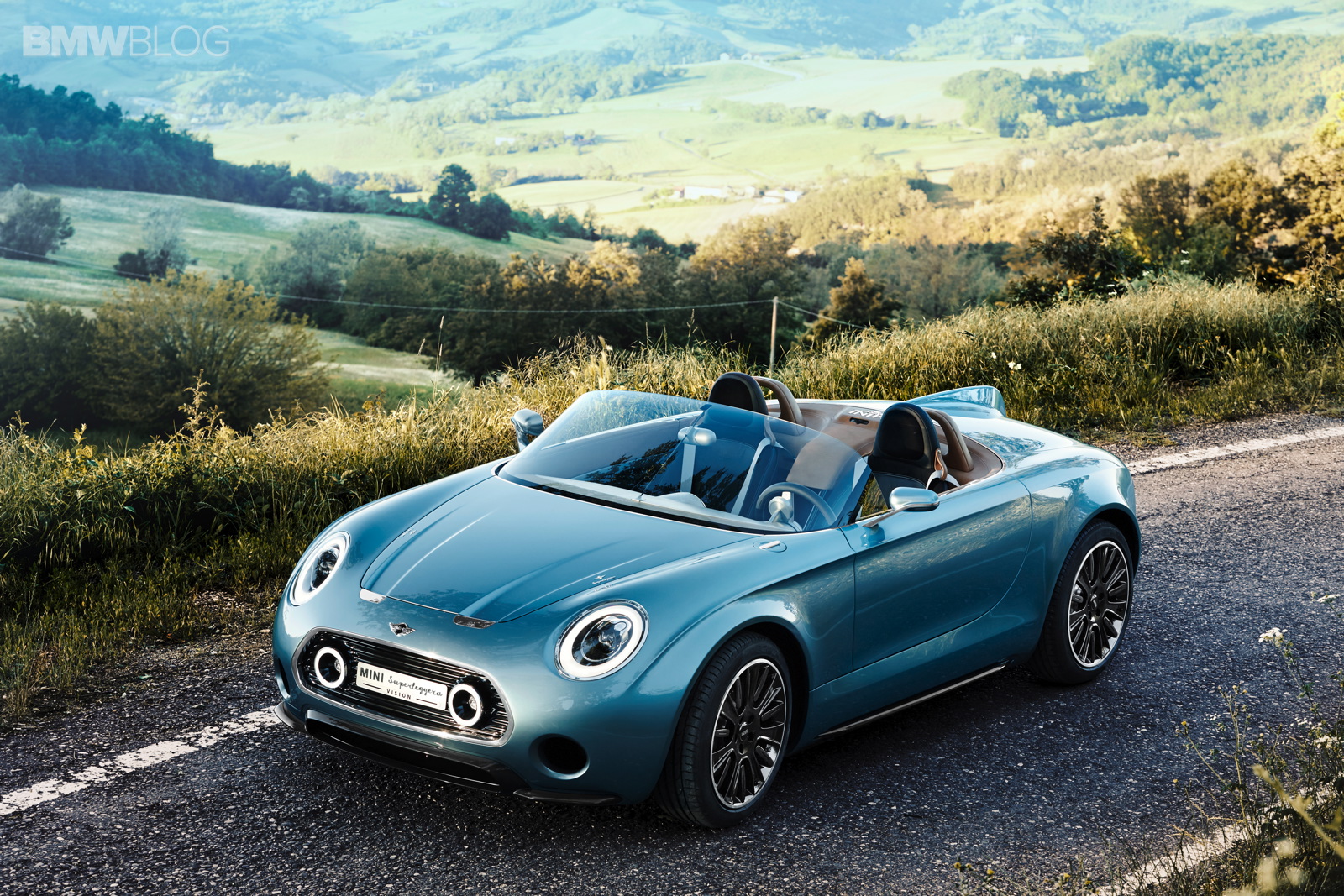
The idea that MINI should sell fewer, pricier, more interesting cars is not new inside BMW. It’s twenty years old. As Steven Paul detailed, drawing on Steve Saxty’s BMW by Design, Anders Warming had the thought back in 2006, not long after the Z8: MINI deserved a halo car of its own. It took until Villa d’Este 2014 to appear, when Adrian van Hooydonk brought in Touring Superleggera, the Milanese coachbuilder BMW had worked with on the 328 Touring Coupe. Warming’s internal pitch for it was a “Minarri.”
What showed up on Lake Como was an electric roadster with exotic looks and less MINI than ever before. But it still ended up wearing MINI’s hexagonal grille, F56 headlights, and the Union Jack taillights that later reached production cars.
And MINI planned to build it. BMW went as far as constructing a second car on the assumption it was greenlit, and even approached motorcycle manufacturers about whether a low-volume run was feasible. What killed it was a lineup with no room for it, at a company with almost no electrification to build it around. Both of those conditions have changed.
Which Brings Us To The A110
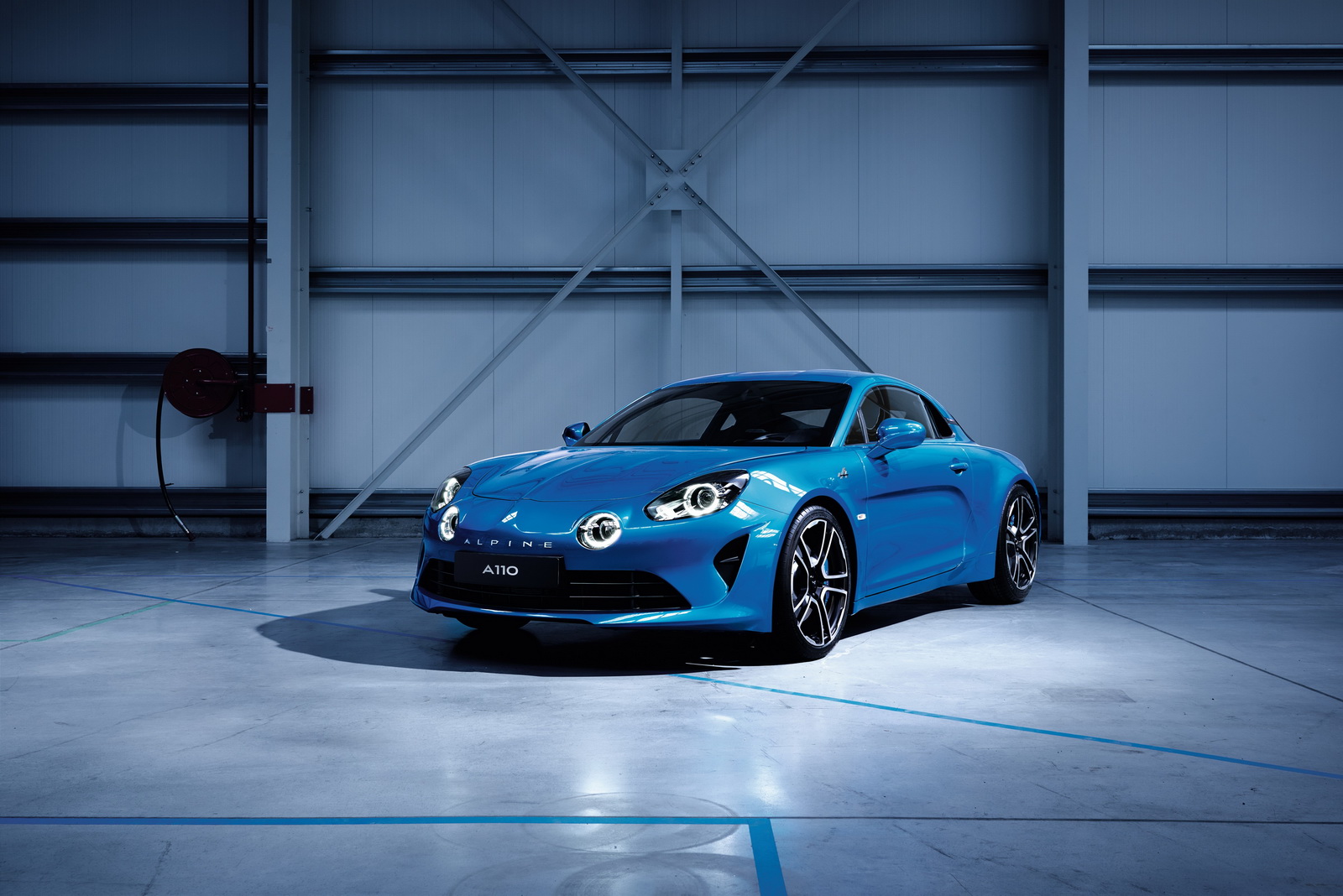
Alpine’s car shouldn’t work. A small French sports car, expensive, impractical, from a brand with no continuous sports-car lineage, and Alpine sells every one it makes to people who chose it over a Cayman. That’s the clientele MINI has never gone after, and the Superleggera was the closest it ever came to trying.
Our version would break with the concept in one respect. Put a B58 3.0-liter inline-six behind the front axle on a rear-drive platform, offer a manual, and price it where it belongs. Packaging a six in something wearing MINI badges is a serious engineering problem, and we’re aware that the original was an EV and that BMW’s own answer in 2026 is far more likely to be electric again.
Fine. Build the electric one if that’s what the platform allows. But a gas MINI roadster with three pedals is the version people would line up for, and the business case for a halo car was never volume anyway. It’s what the car does to everything else in the showroom. MINI has no halo right now, despite some arguing that the John Cooper Works fills that role.
None Of This Is Easy
BMW’s options are narrower than the kill-the-brand crowd thinks. It can’t sell MINI, it can’t shrink MINI into a badge, and it can’t keep funding a full lineup on a segment that keeps losing buyers. What’s left is making the cars different enough to justify what they cost to build. Rear-drive does that. A real rugged Countryman does that. A six-cylinder MINI roadster with three pedals would do it loudly.
The Superleggera died because there was no room in the lineup. There’s room now.