Article Summary
- BMW M is developing the electric M3’s sound by blending recordings from icons like the E92 M3 GTS, F82 M4 GTS, and E63 M6.
- Engineers are working to make the sound feel emotional and useful, giving drivers real acceleration feedback without overdoing the drama.
- Nürburgring testing, simulation work, tire development, and new EV-specific hardware are all shaping the first electric M3.
An electric M3. Probably a less surprising concept now than it was five years ago. But BMW’s first electric M3 — chassis designated “ZA0” — still has a long way to go before release, let alone widespread acceptance. It has to be good, and BMW M isn’t being terribly shy about the amount of work they’re putting into the car.
A few months ago, we got a great look at how BMW recorded inline six and V10 sounds for eventual use in the electric M. Over the weekend and ahead of Le Mans, we got another behind the scenes “episode” from BMW M. While the engineers touched a bit on blending the ICE motors into a perfect symphony, much of the episode also focused on the extensive Nürburgring testing that the electric M3 and all other M cars endure.
Blending and Bending Engines
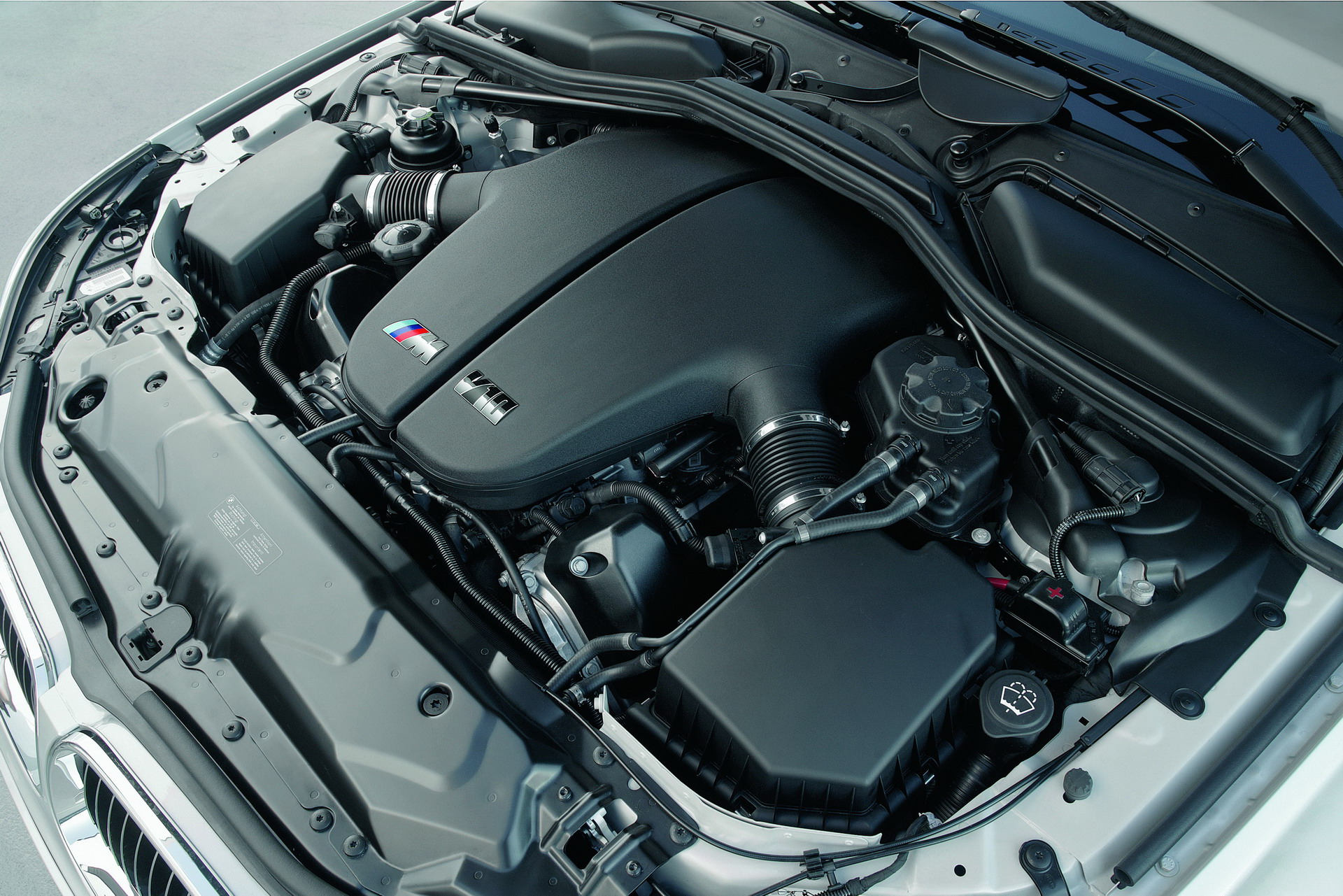
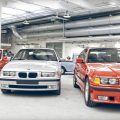
Recording the V10, V8, and inline-six sounds is just the beginning. After collecting adequate samples from cars like the E92 M3 GTS, F82 M4 GTS, and E63 M6 — probably one of the more enjoyable days at work — the engineers step into the studio. Here, the team’s goal is to create a sound befitting the electric M3. The principal goals include a sound that “grabs you,” but also gives drivers accurate feedback about the car’s acceleration. “The challenge is translating those ideas from the studio into the vehicle itself,” one engineer offers.
It’s a delicate balance, of course. After one listen back, the same engineer says “it’s supposed to come across as more extreme,” in order to reflect the electric M3’s rapid acceleration. Equally important? Knowing when to stop — literally and metaphorically. Too much altering can make the sound lose its unique character altogether. Meanwhile, since there aren’t actual revs, how high-pitched can the sound really go? “We’re always tempted to add more pitch, more intensity, more drama.” There’s a balance — it’s their job to find it.
Nürburgring: Testing the Electric M3

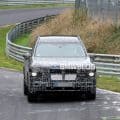
We also get real insight into BMW M’s Nürburgring testing. Frank Weishar, M’s Director of Dynamics, kicks the segment off talking about the gruelling nature of one of the more infamous Nürburgring sections, Pflanzgarten. Pflanzgarten is where cars frequently catch some air, and requires extremely technical driving and a well-sorted car to conquer. Corner 35 demands full suspension compression, hard braking, and an immediate turn, asking the car to do all the things at once.
M CEO Franciscus van Meel appears, too. “We already have a good feeling that they will keep up with the [lateral G] loads,” he says. Even before the car takes a lap on the ‘Ring, sim programs have already made the car’s case. The video next takes us into some of those simulations, and we get to watch wheels being smashed, suspension components being drilled, and everything in between. The electric M3’s power and how it reaches the ground dictated new hardware; new axles and more were mandatory.
The video even discusses tires and how they affect the car; important, also, is the fact that there’s no heavy combustion engine over the front wheels. It’s great that BMW M is giving us such an in-depth look at the electric M3’s development. Of course, it’s probably the most important car of the decade for the brand, so it makes sense. You can watch the video below.