Article Summary
- Five BMWs mark turning points that reshaped the brand—from near-collapse to defining its future.
- Each car expanded BMW’s reach: modern sport sedan (M535i), SUV success (X5), mainstream EV credibility (i3).
- With Neue Klasse EVs coming, these past pivots explain how BMW became BMW—and what it must repeat next.
Across the decades, there have been several inflection points for BMW as a brand. With a completely new kind of car on the horizon — the Neue Klasse EVs — it’s a better time than ever to revisit how the brand got to where it is today. Through it all, five cars stand above the rest as integral to BMW’s legacy, permanently shifting both the public’s perception and the spheres in which the brand operates.
BMW 1500 and Neue Klasse

Probably the most important car in BMW’s history, the Neue Klasse cars of the 1960s saved the brand from the brink. Teetering on the edge of oblivion after years of lackluster sales and an aging product portfolio, the Quandt family bought in in a big way and BMW stepped up. The BMW 1500 debuted at the Frankfurt Motor Show in 1961 and immediately became a hit, spawning different variants and, arguably more central to the brand ethos, the 02 Series. The Neue Klasse cars built on the relative success of the BMW 700 that debuted two years earlier. Simultaneously, they set the benchmark for all future BMWs. It’s heavy-handed, but not completely inaccurate, to say that without Neue Klasse, BMW wouldn’t be here today. At least, certainly not how we know it.
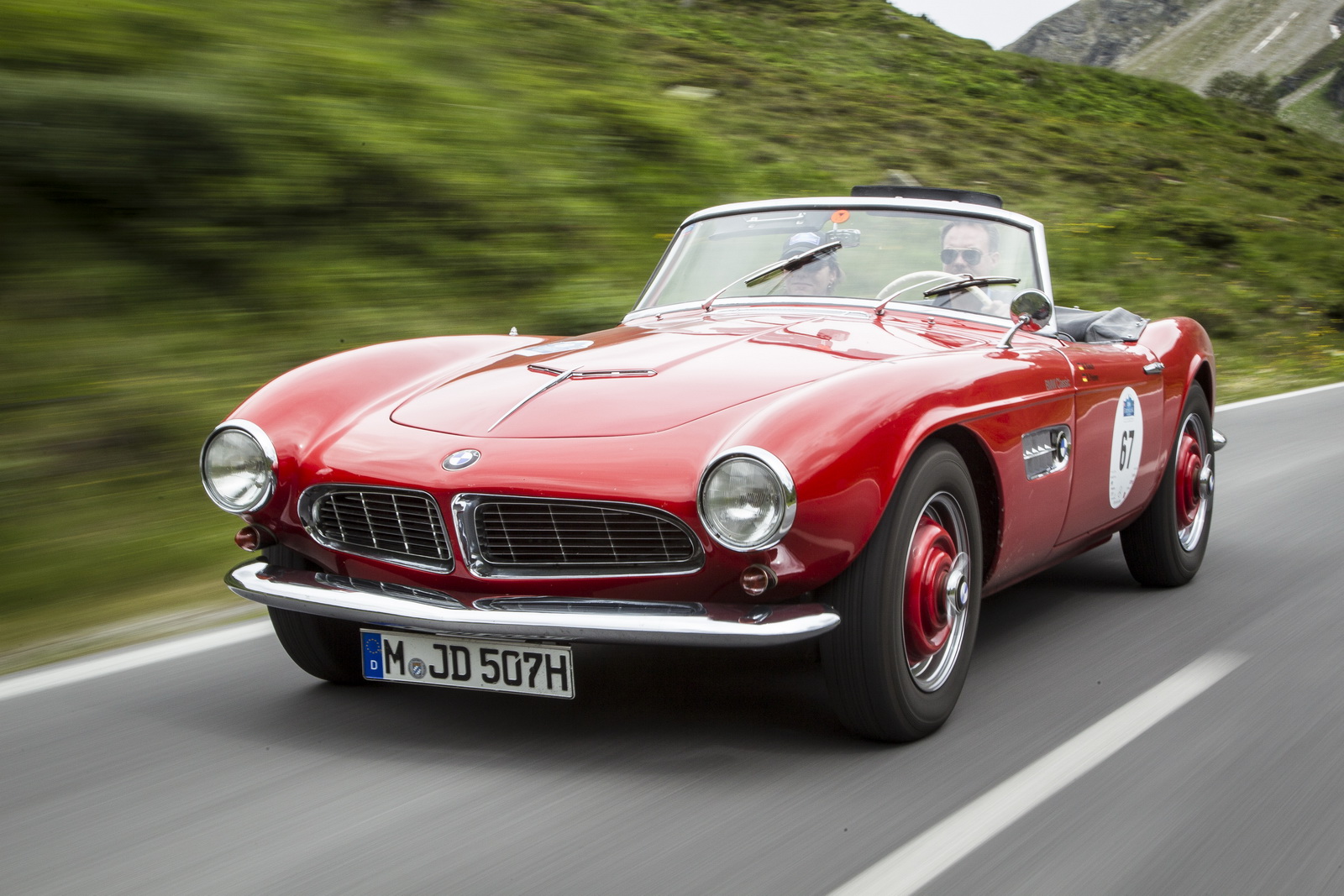
BMW 507
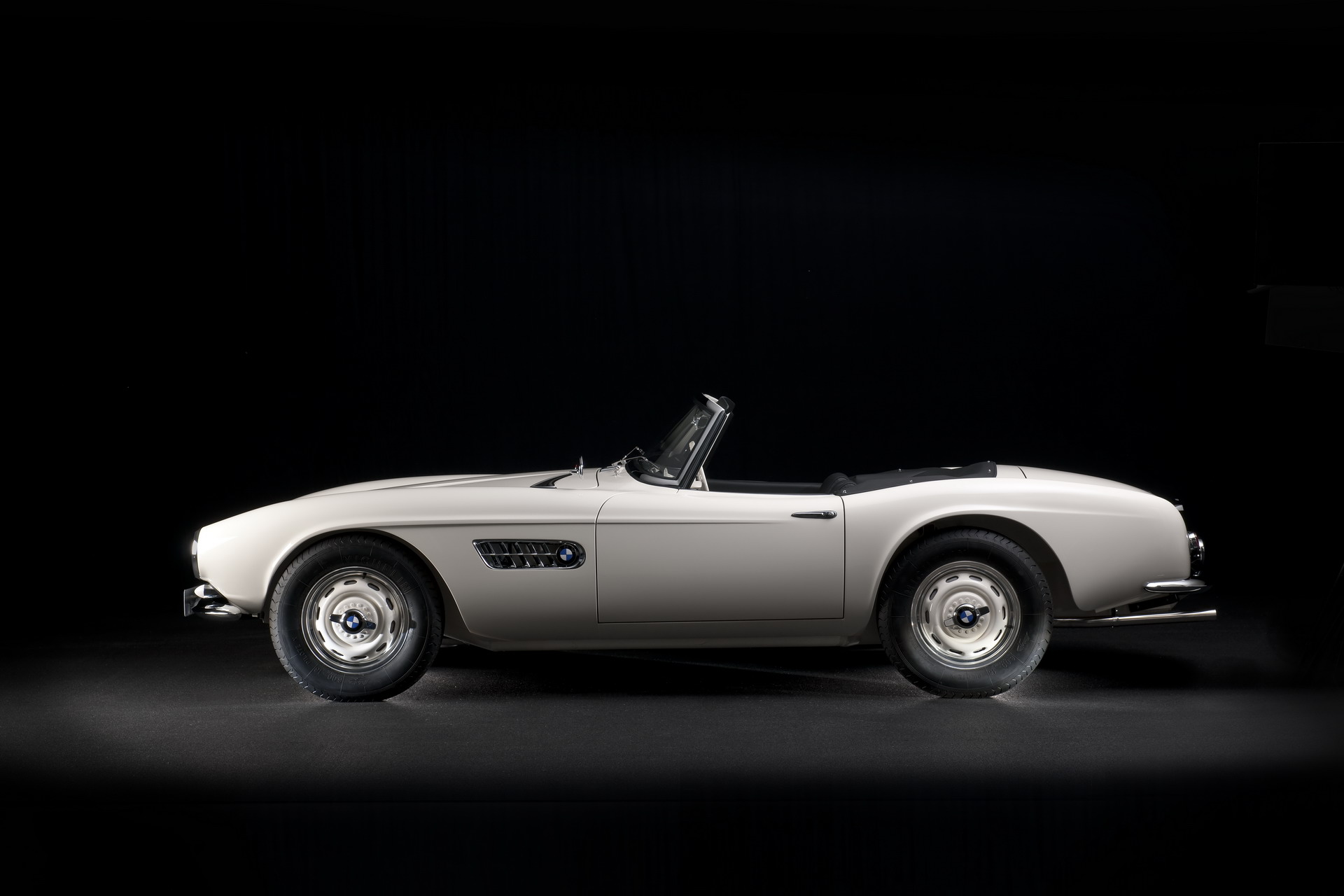
The word “important” is multi-dimensional. The BMW 507 shines a real bright light on that concept. You’d be hard pressed to find someone who doesn’t find the 507 remarkably pretty, and even by the brand’s own account it should’ve been a rousing success. The car’s sporting looks — backed by good fundamentals like a 3.2-liter V8 and a body mostly comprised of aluminum — had every marking of sports car royalty. Which, of course, the car did manage to achieve…but certainly not in period. The 507 sold poorly and only around 250 units made it into customer hands. Of course, the car’s icy reception meant BMW needed to change strategies — ultimately, the car nearly bankrupted the company. It set events in motion that culminated in the invention of the Neue Klasse — how much more important can you get?
E12 M535i
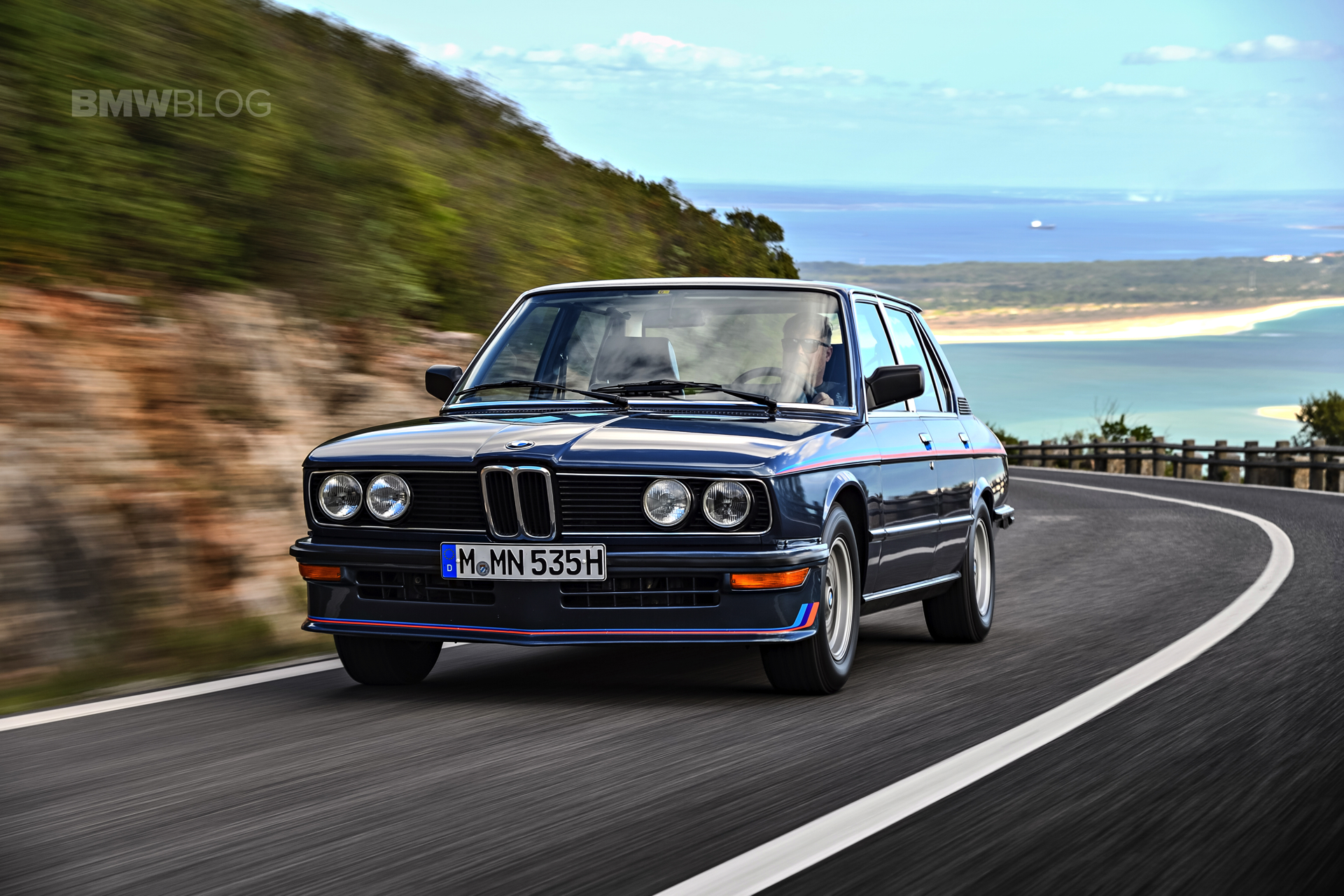
The E12 M535i is distinguished for many reasons. But most key to BMW’s legacy is the fact that it was the first car from BMW M as we know it today. That is: a road-going, track-ready performance sedan that didn’t skimp on the finer things. The M535i’s ripping straight-six, combined with subtle styling updates, set the precedent for BMW M road cars that followed; most notably, the E28 M5 and E30 M3. It also arguably invented the modern luxury sport sedan. Today the “wolf in sheep’s clothing” style has maybe fallen more to the wayside. However, the guiding ethos behind the car remains very much intact nearly 60 years later. On top of an excellent driving experience and irrefutably important heritage, the fantastic 5er touts extremely low production numbers. Only around 1,650 were produced, which means values are still high today.
E53 BMW X5

Today, the BMW X5 is one of the brand’s best sellers. So, you really can’t talk about important models without at least touching on the first BMW SUV. But the E53 X5 is important for other reasons, too. Its development and release was the first look at how BMW would handle other brands it acquired; in this case, Land Rover, although later MINI and Rolls-Royce would follow, too. While the E53 wasn’t critically acclaimed, it quickly became popular with customers, with global sales cresting the 100,000 mark as early as 2001. Future generations improved on the brand’s — we’ll call it inspired — vision and today, the X5 is responsible for a sizable chunk of BMW’s sales. Naturally, the X5’s good sales paved the way for an entire stable of X models, from the X1 to the supersized BMW X7.
BMW i3
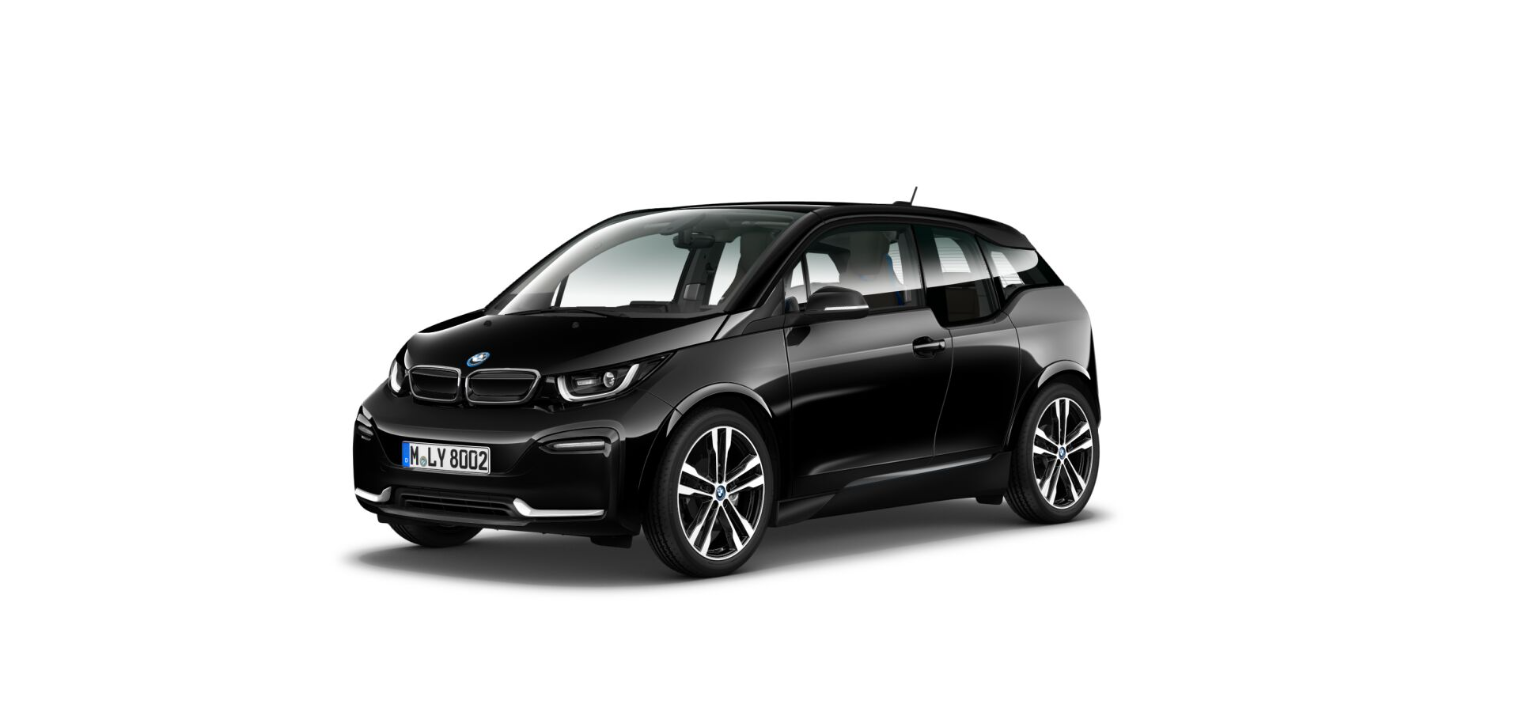
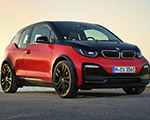
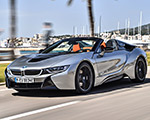
No matter how washed away the original BMW i3’s legacy may become after the Neue Klasse i3 steals its badge glory, you can’t rewrite history. The bubbly electric city car was BMW’s first mass-produced electric vehicle, and represented the culmination of lessons learned from the brand’s other electric endeavors, like MINI E and BMW ActiveE. It, with the BMW i8, was the first instance of marrying BMW with electric mobility for most customers. Construction primarily relied on recycled materials and carbon fiber from BMW’s own Moses Lake, Washington plant, another landmark achievement that set the bar for future BMW EVs. Despite vocal critics — usually those who couldn’t grasp the i3’s city car concept — the i3 was pretty well received. Eventually, over 250,000 examples found homes. In 2016, the car was the world’s third best-selling EV, after the Tesla Model S and Nissan Leaf.
Of course, this list is far from exhaustive. Plenty of other BMWs in recent and distant memory have reconfigured what we should expect from the brand. For example — the F90 M5 and its revolutionary M xDrive, facilitating hot swaps between rear- and all-wheel drive. The bottom line? BMW’s innovations are far and wide, spanning decades and almost every imaginable body style and powertrain.