Article Summary
- BMW is expanding its event-based image-data collection program across Europe to improve driver assistance and partially automated driving systems.
- Neue Klasse vehicles can record up to 120 seconds of exterior camera footage when specific events, such as hard braking or emergency braking, occur.
- BMW says the data is stripped of identifying information and used to develop future software OTA updates to make its cars safer and smarter.
BMW is taking another step toward smarter cars by using something it already has in abundance: customer cars driving on public roads. It’s expanding its image-data collection program in Europe to gather real-world information from people buying its cars. It’s all for a good cause, as the findings help improve driver assistance and partially automated driving systems.
We first reported on BMW’s plans in April, when the automaker said it would use data from customer cars to improve safety. At the time, the Munich-based company emphasized that participation requires the owner’s consent. It also said recordings would be triggered only by specific driving situations. Now, the company has provided more details about how the system works and which models are involved.
The basic idea is pretty straightforward. BMW can simulate countless scenarios and test its technology with development vehicles, but there are some things you simply can’t easily reproduce in a laboratory. Real-world traffic is unpredictable, and customer cars encounter situations that BMW’s engineers may never have anticipated. That makes the growing fleet of Neue Klasse-based vehicles a valuable source of information.

Image Data Collection Only Works With Neue Klasse Models
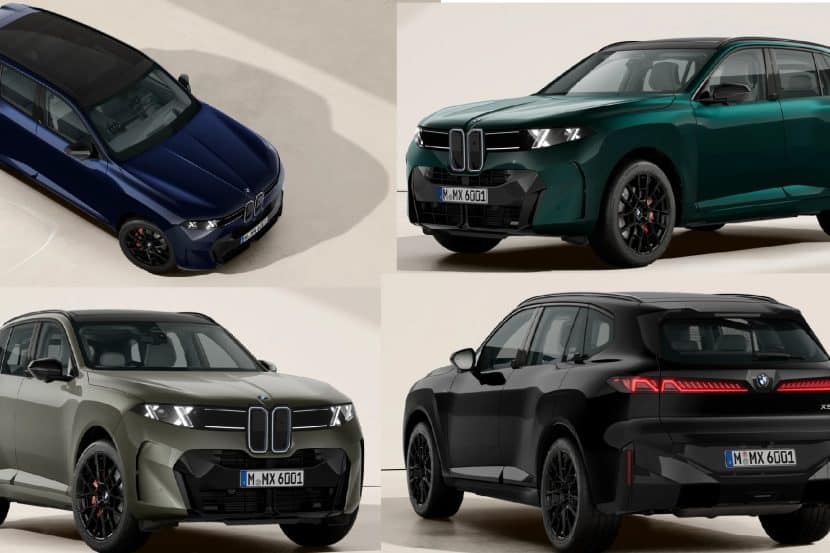
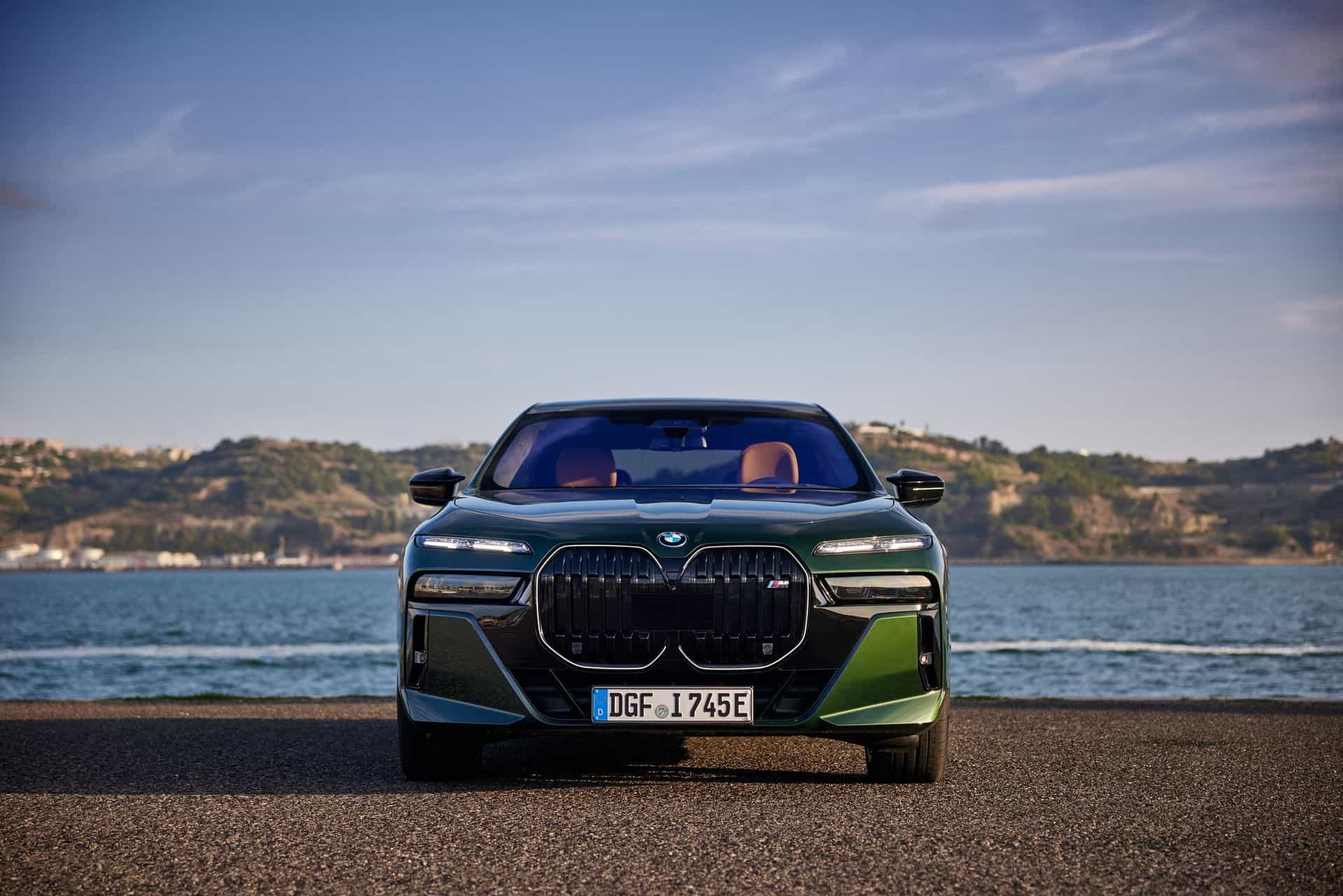
BMW says it has been able to collect this type of image data in EU member states since April. The program covers Neue Klasse vehicles equipped with the necessary cameras, sensors, and computing architecture to capture their surroundings. That includes the new iX3 and i3, as well as the new-generation X5 and 7 Series facelift. Future models will also take part in this data-gathering program.
Importantly, BMW isn’t recording everything all the time. The system is event-based and activates only when a relevant situation occurs. For example, a recording could be triggered if an assistance system prevents a potential collision during a highway lane change, if the automatic emergency braking system activates, if the driver brakes particularly hard, or if the driver suddenly swerves to avoid something.
When one of these predefined events occurs, the vehicle can collect video from its exterior cameras along with information from other environmental sensors. It can also record driving data such as speed, direction of travel, and steering angle. BMW says video recording is limited to 120 seconds per event.

Addressing Privacy Concerns
Now for the elephant in the room: the privacy question. BMW says you shouldn’t really worry because it has implemented what it calls “privacy-by-design” measures. The vehicle identification number is deleted as soon as the data reaches BMW’s IT backend, meaning the information can no longer be linked to a specific vehicle.
The company also claims its systems do not identify individual road users. If BMW employees need to access individual recordings for development purposes, they obscure faces and license plates belonging to other road users before playback whenever technically possible. That distinction matters because the cameras are, of course, looking at much more than the BMW itself. They can capture other vehicles, pedestrians, cyclists, road signs, and the surrounding environment.


Data Collection For A Good Cause
BMW’s goal isn’t to build a giant database of European roads (Google Maps already does that) or keep tabs on people walking down the street. The footage is being collected to teach its driver assistance systems how to handle real-world situations. And there’s a very good reason for doing it. Modern BMWs, and cars in general, I might add, are becoming increasingly dependent on software. For better or worse, the Neue Klasse offensive puts much greater emphasis on software-defined functionality. These days it’s all about beefy computers, over-the-air updates, and more advanced driver assistance.
That means a car’s capabilities don’t necessarily have to remain frozen on the day it leaves the factory. The company claims it can use the image and sensor data to further develop driver assistance and partially automated driving functions through machine learning. It can then potentially deliver improvements to customers through OTA software updates.
Long story short, your BMW could help teach future BMWs to avoid accidents more effectively.