Article Summary
- The BMW 507 and 02 Series demonstrated how dramatically the kidney grille could change while remaining unmistakably BMW.
- The E36 3 Series established a recognizable grille formula that influenced BMW design for more than three decades.
- The Concept 8 Series and Neue Klasse iX3 transformed the kidney grille into an illuminated, technology-driven design feature.
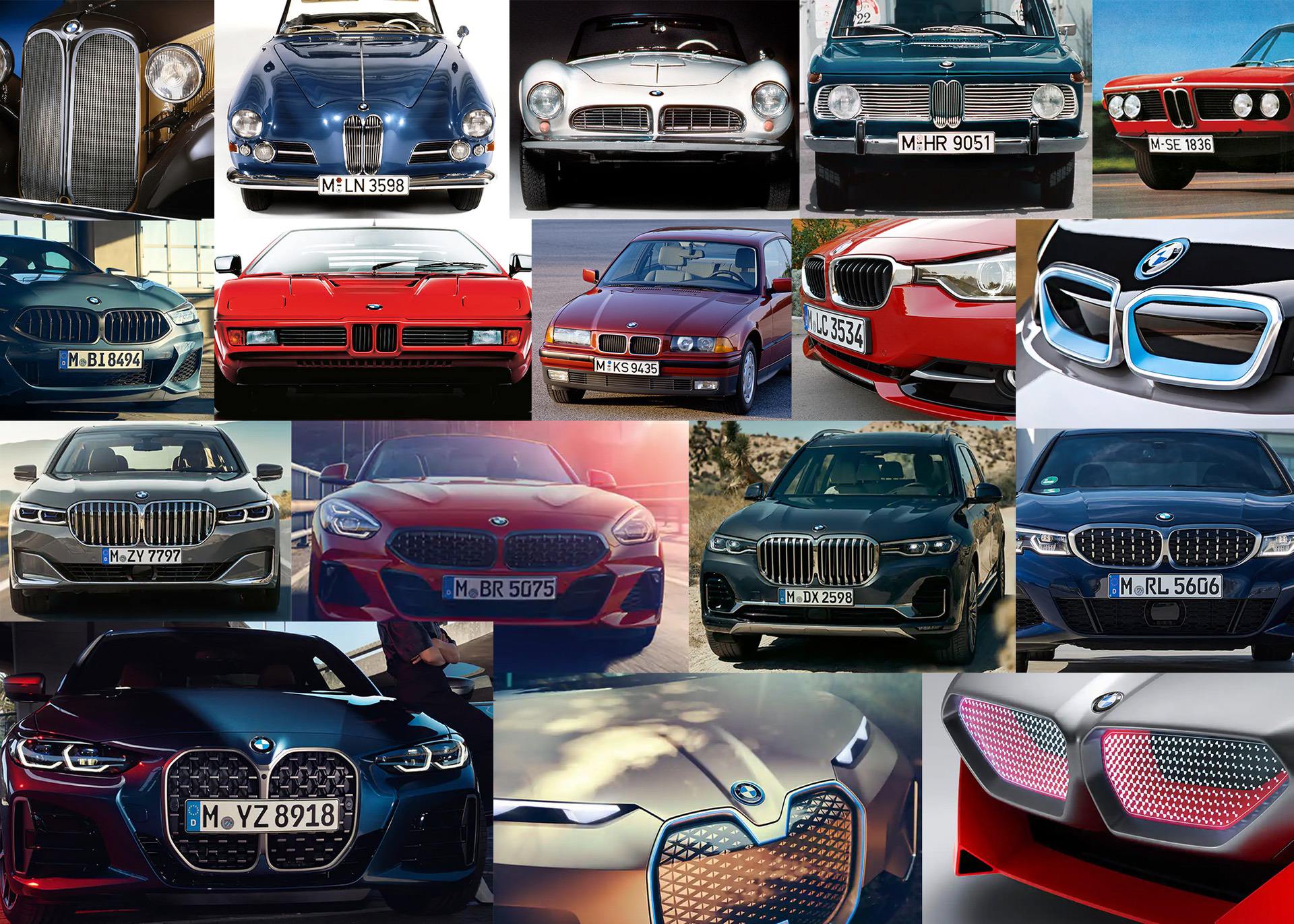
BMW’s kidney grille attracts more scrutiny than perhaps any other single automotive design feature. Of course, it’s also one of the most enduring auto design cues, now approaching 100 years of relevance. You don’t attain that kind of immortality by being boring, so it makes sense that the grille has seen endless iterations across dozens of different models. But these five BMW kidney grilles stand out. Not only (or even necessarily) because they look good. But because each represents a pivotal moment in the brand’s design history.
BMW 507
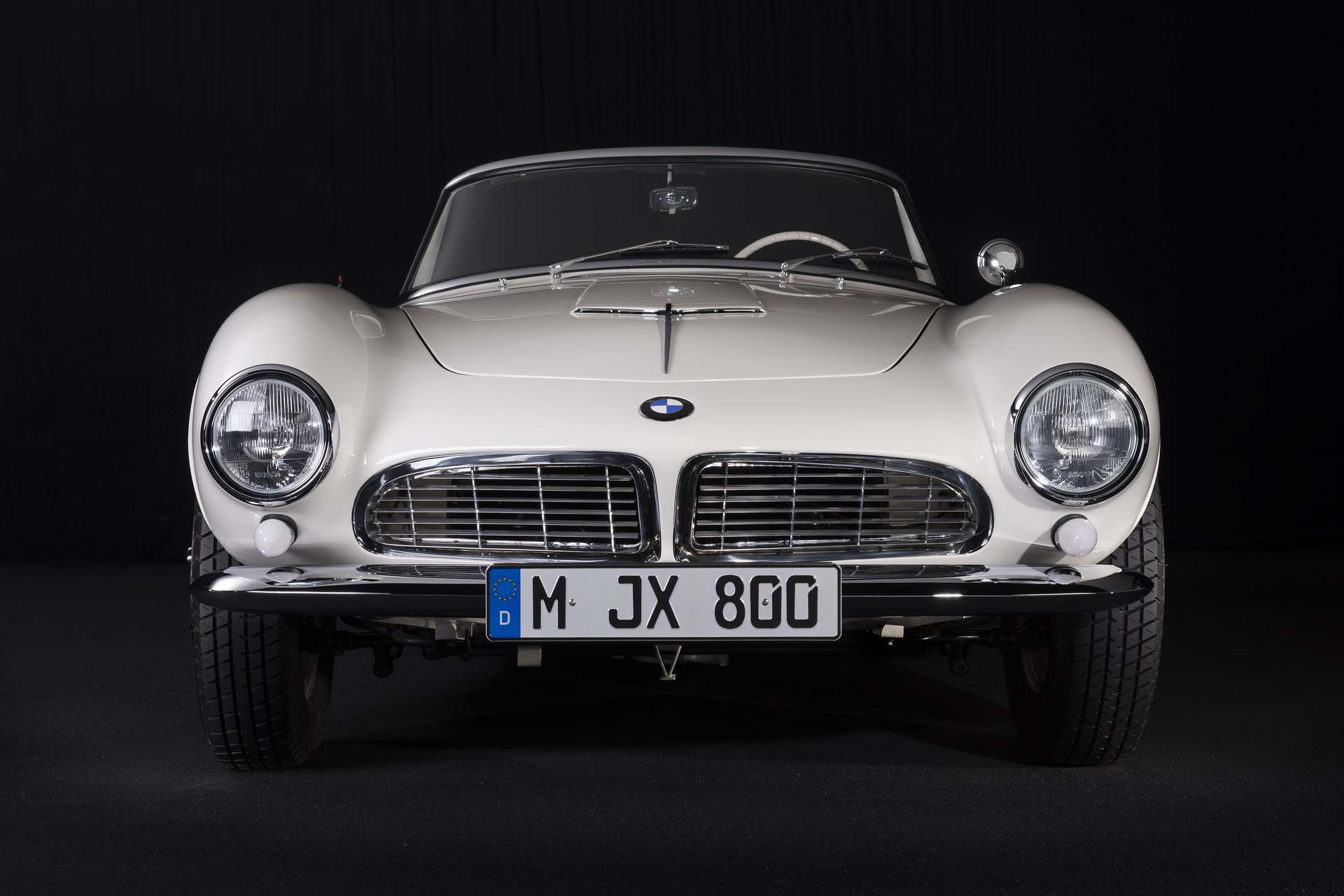
The BMW 507 proves that a kidney grille doesn’t need to be tall, obnoxious, or even a defined kidney shape to be memorable. Its two wide, horizontal openings sit low in the front fascia, creating a shape unlike almost anything else BMW produced then or since. Rather than dominating the car’s face, the grille complements the 507’s low hood, rounded fenders, and delicate chrome detailing. It looks graceful rather than aggressive, which suits the roadster’s character. But the 507’s pretty grille — and overall gorgeous proportions — continued paying dividends over four decades later.
The BMW Z8 deliberately revived several elements of the 507, including its long hood, compact cabin, and broad horizontal interpretation of the kidney grille. It worked especially well because the Z8 shared the 507’s proportions and purpose. The two cars demonstrate how BMW’s signature can remain recognizable even when stretched well beyond its traditional shape.
BMW 02 Series
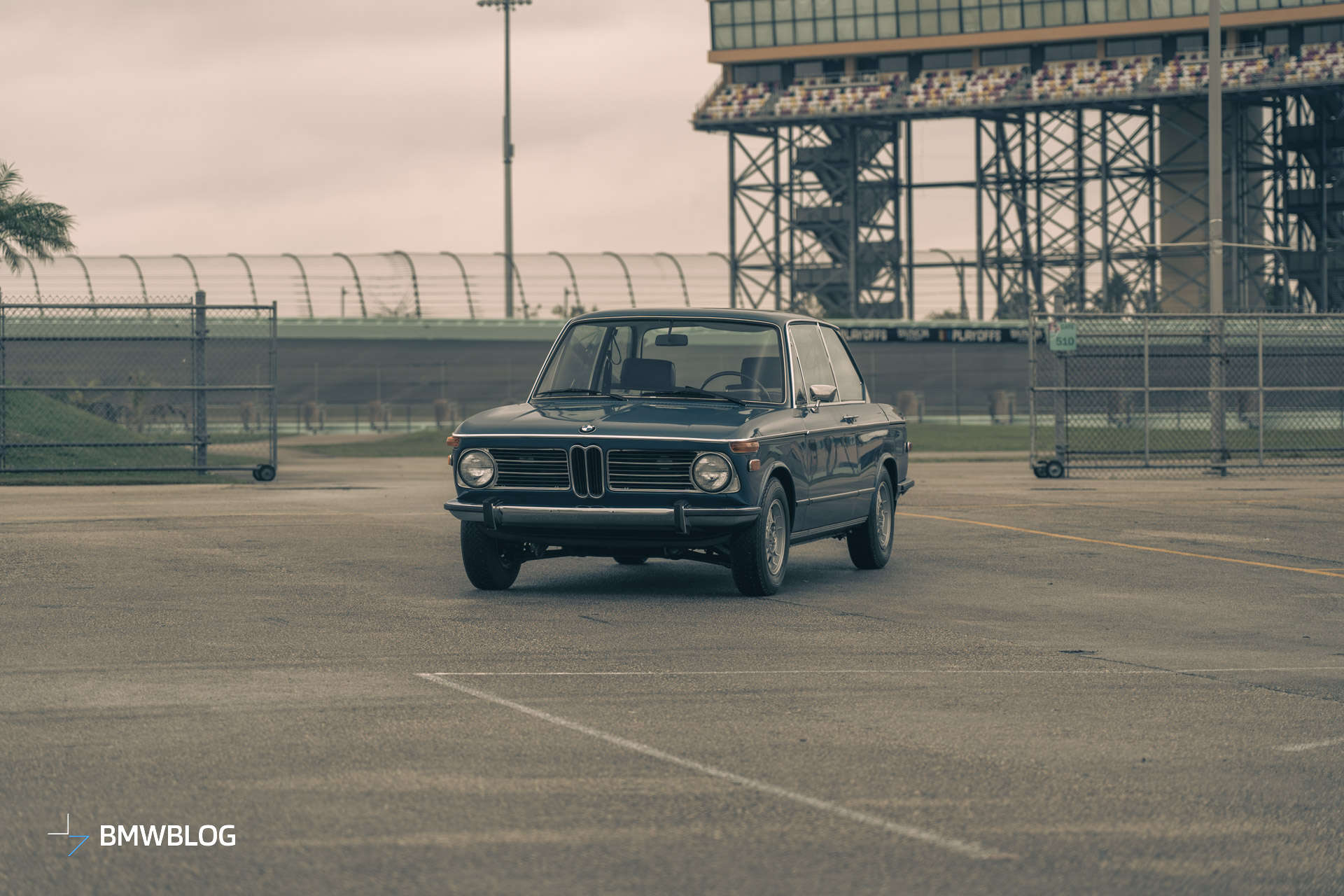
The BMW 02 Series refined the grille treatment of the earlier Neue Klasse sedans into something smaller, sportier, and more focused. Its narrow vertical kidneys sit between simple round headlights, while the surrounding horizontal trim visually widens the car. Nothing feels exaggerated or unnecessary. The grille is prominent enough to identify the car immediately. But it falls far short of being ostentatious.
Appropriately, the Neue Klasse/02 Series grilles dictated the kidney grille’s direction for the next two decades. The arrangement became inseparable from BMW’s emerging sports-sedan identity. Closely related interpretations appeared across the brand, including on the larger E3 sedans and the elegant E9 coupes. The latter included the legendary 3.0 CSL, proving that essentially the same grille concept could work on both an accessible two-door sedan and a dramatic homologation special. The 02 Series also demonstrated the value of consistency. Not every BMW model needed a drastically different face.
E36 BMW 3 Series
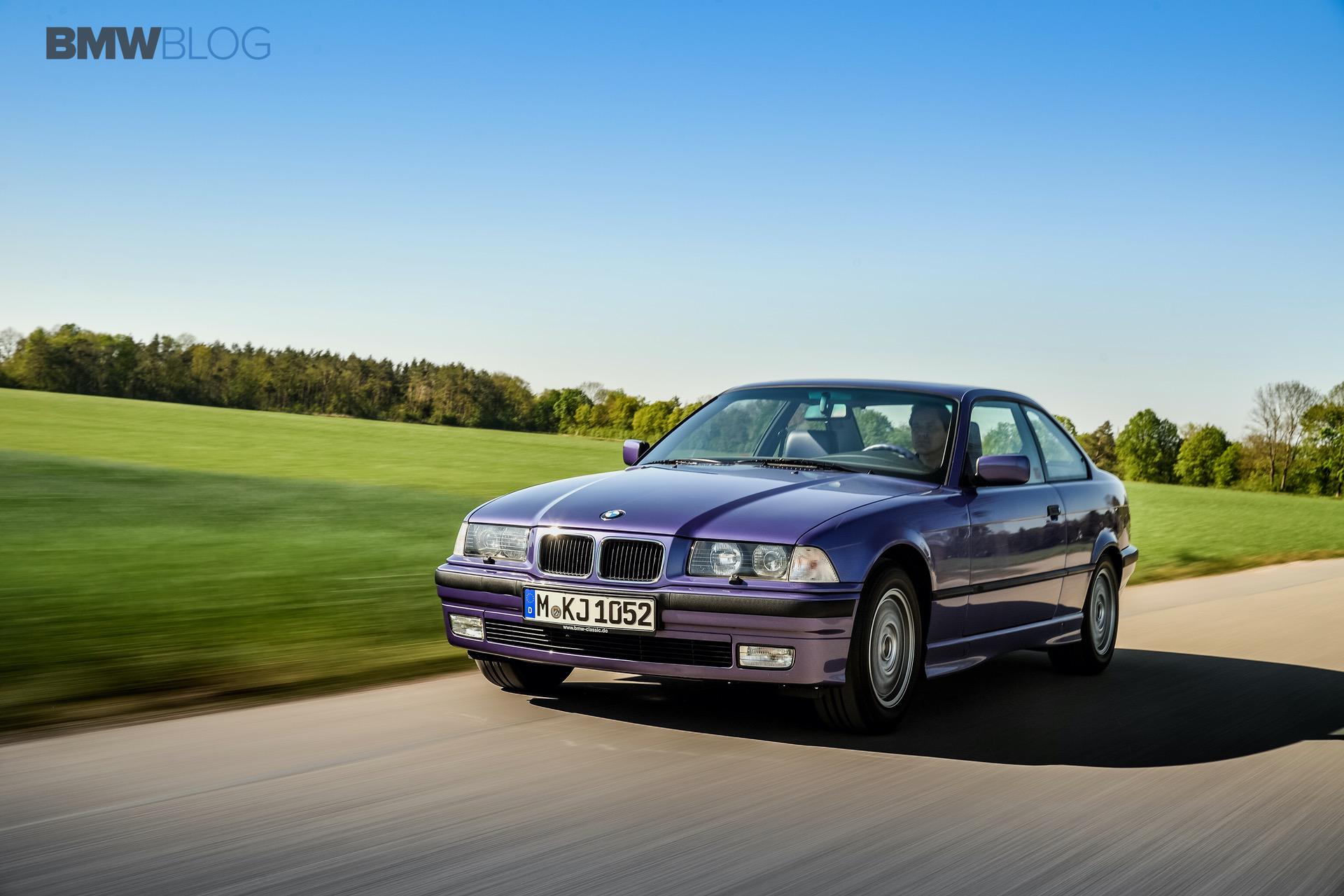
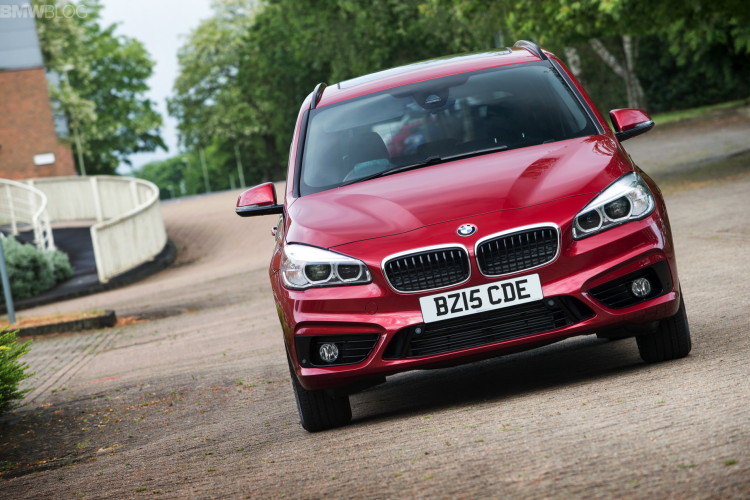
The E30 3 Series and E34 5 Series came close to establishing the modern BMW look, but the E36 completed the transition. Its grille separated the kidneys more clearly from the headlights and surrounding trim, turning them into a distinct centerpiece rather than one part of a continuous horizontal assembly. The openings were modestly sized, slightly rounded, and unmistakably BMW. The grille surrounds (at the time, only chrome) became a feature of their own, too, with slight flaring that’s most noticeable in the post-facelift models.
For more than 30 years, BMW repeatedly adjusted the width, height, angle, and spacing of its kidneys, but most models retained the same fundamental formula. Even as the kidneys widened and eventually connected, their proportions remained familiar. That continuity began to unravel with the vertical grilles used by the modern 4 Series, M3, and M4. Whether one likes those newer designs or not, their arrival makes the E36’s importance clearer. Its grille defined what a BMW looked like for generations—myself included—and arguably the brand’s most compelling era.
BMW Concept 8 Series
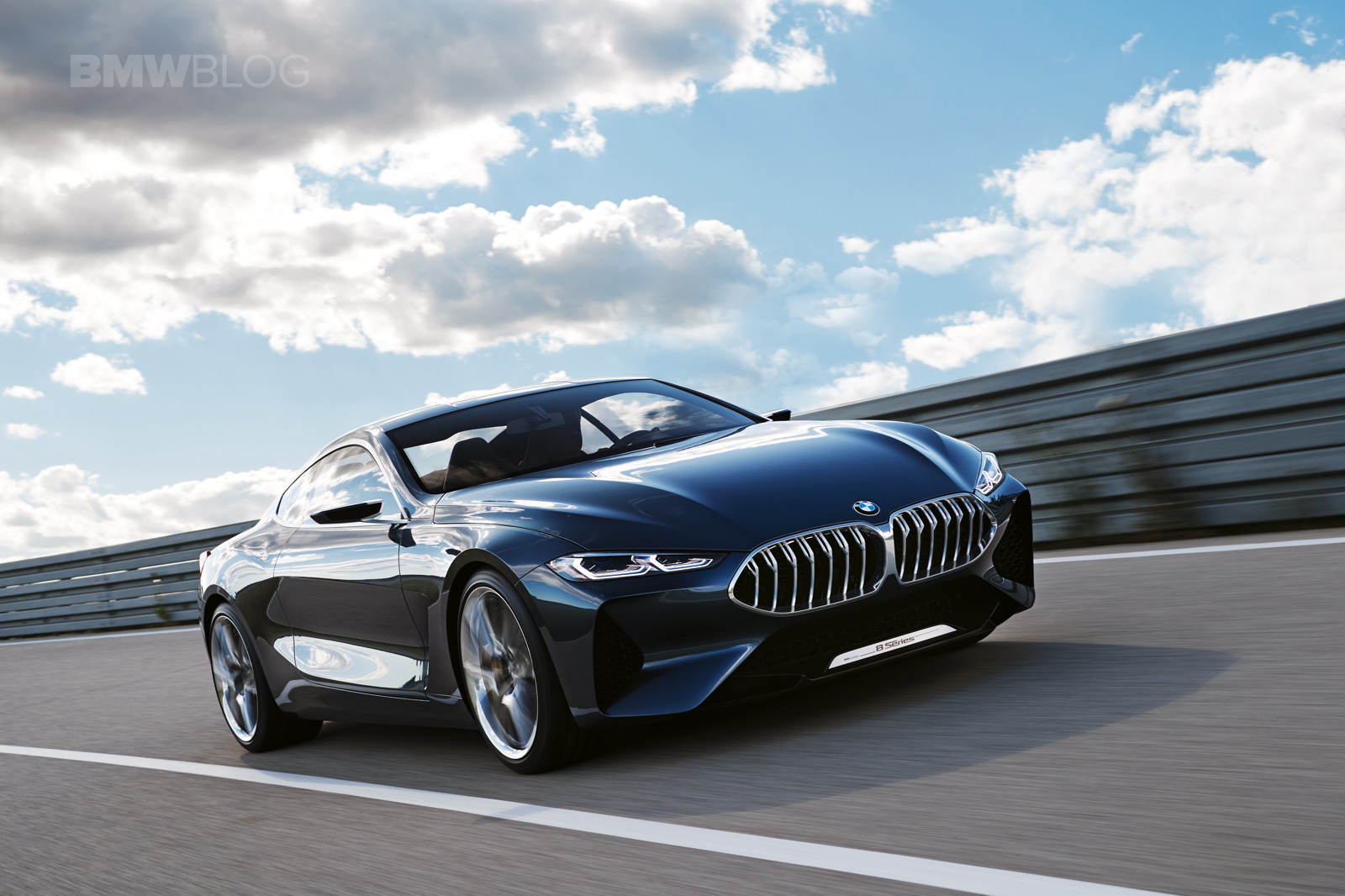
The 2017 BMW Concept 8 Series occupies a fascinating place in the grille’s evolution. Its wide, connected kidneys were hardly traditional, yet they retained the basic shape that had defined BMWs since the E36 era. Compared with the production 8 Series that followed, the concept’s grille looked lower, sharper, and more intricately sculpted into the surrounding bodywork. It represented one of the last clear evolutions of BMW’s familiar horizontal grille before several models adopted much larger and more controversial alternatives.
And if the story ended there, you probably wouldn’t be reading about the car at all. No one could’ve guessed the design’s longer-term importance. Similar ideas appeared on the G06 BMW X6, which became the first production BMW available with an illuminated kidney grille. That feature has since spread across the lineup and now appears poised to remain part of BMW design during the Neue Klasse era. The Concept 8 Series therefore bridges two periods: the largely consistent grille treatment used from the 1990s through the 2010s and the illuminated, technology-driven front graphics influencing BMW’s next generation.
BMW iX3

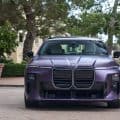
The BMW iX3 introduces another major reinterpretation of the kidney grille. Instead of treating it as an isolated pair of openings, BMW uses the kidneys as the center of an almost continuous horizontal front graphic. The lighting elements visually extend outward from the illuminated grille, creating a distinctive face without relying on the enormous vertical openings seen on the 4 Series and M3. It’s a particularly important design because the iX3 establishes the production language for BMW’s Neue Klasse generation.
The smaller grilles feel like a return to form, especially juxtaposed with the aforementioned “beaver teeth” grilles. Of course, any guise of functionality fades, considering Neue Klasse’s focus on electrification. But lighting, sensors, and digital animation breathe new life into a familiar shape. It’s important to note the iX3’s grille comprises two parts: the center, vertical elements, and the horizontal black bars extending out to (and encompassing) the headlights. The result feels recognizably BMW. What’s more, it’s already clearly recreated on the iX5, and the horizontal elements integrated on the BMW i3 sedan. After years of experimentation and some questionable side quests—ahem, BMW XM—the iX3’s grille might mark BMW striking gold. Whether or not the iX3 and its front end design achieves the enduring appeal akin to what the 02 Series and E36 3 Series grilles remains to be seen. But no matter what, the iX3’s grille is as important as it is illuminated.